
Why Poland Will Test You — And Why That’s Worth Knowing Before You Move
The guide most relocation sites avoid writing.
Moving to Poland is one of the more interesting decisions you can make in Europe right now. Costs are lower than much of Western Europe. Cities like Warsaw, Kraków, and Wrocław are growing fast. Opportunities exist — especially if you arrive with a plan.
But Poland is not frictionless — and pretending otherwise helps no one. Here’s what will test you.
1. The Language Is Hard — Genuinely Hard
Polish isn’t just “a bit tricky.” It’s consistently ranked among the hardest languages for English speakers. The US Foreign Service Institute places it in Category IV — alongside Arabic and Japanese — at roughly 1,100 hours to reach professional proficiency.
Seven grammatical cases. Changing word endings. Consonant clusters like chrząszcz that feel unpronounceable at first.
You can live in Poland using English — especially in larger cities. But there’s a clear gap between getting by and actually belonging.
What changes when you speak Polish:
- Admin becomes manageable instead of draining
- People warm to you faster
- Work relationships deepen
- You stop feeling temporary
Fluency isn’t the requirement — effort is. The people who settle best are the ones who start badly and keep going.
2. Bureaucracy Is Real — And It Has Its Own Logic
Poland’s systems work — but they are not designed with newcomers in mind.
You will deal with paperwork, queues, and processes that don’t always feel intuitive.
What you’ll run into:
- PESEL number — required for almost everything
- Residency (Karta Pobytu) — slow, document-heavy, and patience-testing
- ZUS and tax setup — manageable, but rarely straightforward
The practical reality:
- Build a 2–3 month admin buffer into your move
- Get help early (relocation advisor or expat groups)
- Don’t assume English will carry you through
- Keep printed documents — it still matters here
It’s not uniquely bad — but it does reward preparation and punish guesswork.
3. Winters Are Demanding
This is not a mild climate.
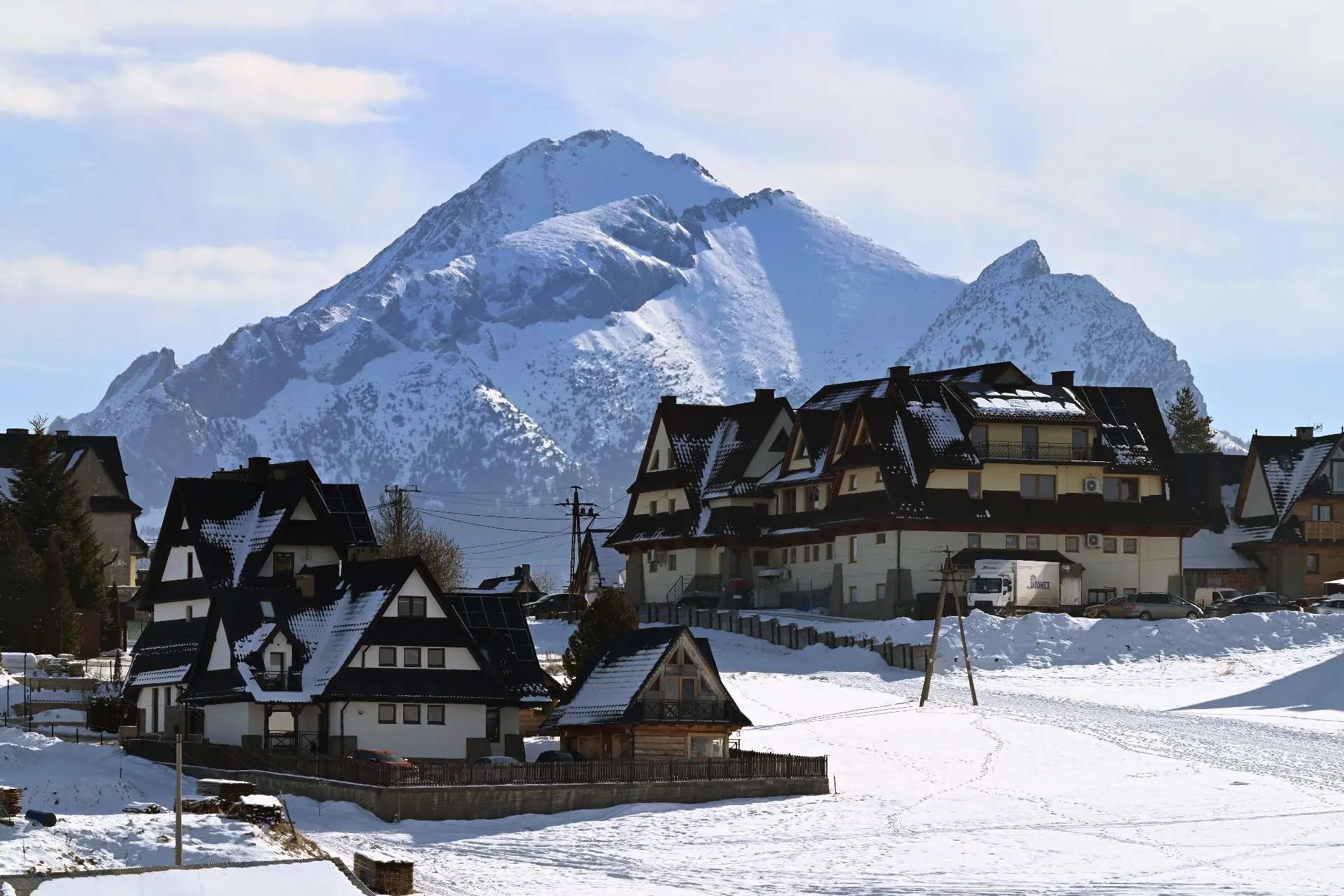
Winter runs roughly from November to March. Temperatures regularly drop below freezing, and in colder regions can reach -15°C or lower.
But the bigger challenge isn’t just temperature — it’s darkness and consistency.
What to expect:
- Short daylight hours (around 8 hours in January)
- Long stretches of grey skies
- Slippery pavements and uneven maintenance
- Higher (but still reasonable) heating costs
For many expats, this is the hardest adjustment.
What helps:
- Treat winter as something to adapt to, not fight
- Build routines outside your flat
- Use Poland’s strong café and indoor culture
- Invest in proper winter gear early
Summer balances it out — but you do have to earn it.
4. Social Circles Take Time
Poland is not instantly open — socially speaking.
People are polite, but reserved at first. Small talk isn’t common. Friendships don’t form quickly — but when they do, they tend to last.
In practice:
- Work relationships may stay formal for a while
- Neighbours aren’t automatically social
- Invitations come slowly — but mean more
It’s easy to misread this as coldness early on. It isn’t.
Language helps — even basic effort changes how people respond to you.
What speeds things up:
- Language exchanges
- Sports or hobby groups
- Regular attendance anywhere (consistency matters)
- Expat communities as a starting point — not a destination
The early phase can feel isolating. That part is real. It also passes.
5. The Hidden Frictions
A few things that rarely get mentioned upfront:
- Healthcare navigation — public system works, but takes time to understand; many expats start private
- Direct communication style — more blunt than the UK; not rude, just different
- City matters more than you think — Warsaw vs smaller towns is a completely different experience
- EU vs non-EU reality — visas and residency add significant complexity if you’re coming from the UK
None of these are deal-breakers — but they are part of the full picture.
Want the full picture before you commit? Read our Why Poland overview.
So — Is It Worth It?
That depends on what you’re looking for.
Poland rewards people who take it seriously — who learn enough to function, plan properly, and stay long enough to get past the surface.
The people who do well here aren’t the ones who found it easy. They’re the ones who found it worthwhile.
Because over time:
- The language becomes usable
- The systems become familiar
- The city starts to feel like yours
- And the relationships you build tend to stick
Poland will test you.
That’s not a flaw — it’s part of the deal.
Thinking About Making the Move?
If you want a clear picture of what relocating actually involves — visas, housing, healthcare, and setup — you can explore it step by step.
Prefer to start at the beginning? Back to the homepage.