
How to Settle In as an Expat in Warsaw
Warsaw can feel easy at first, then the small frictions arrive. This guide shows how to handle housing, paperwork, transport, healthcare, work routines and friendships so daily life starts to feel manageable.
By Move2Poland·
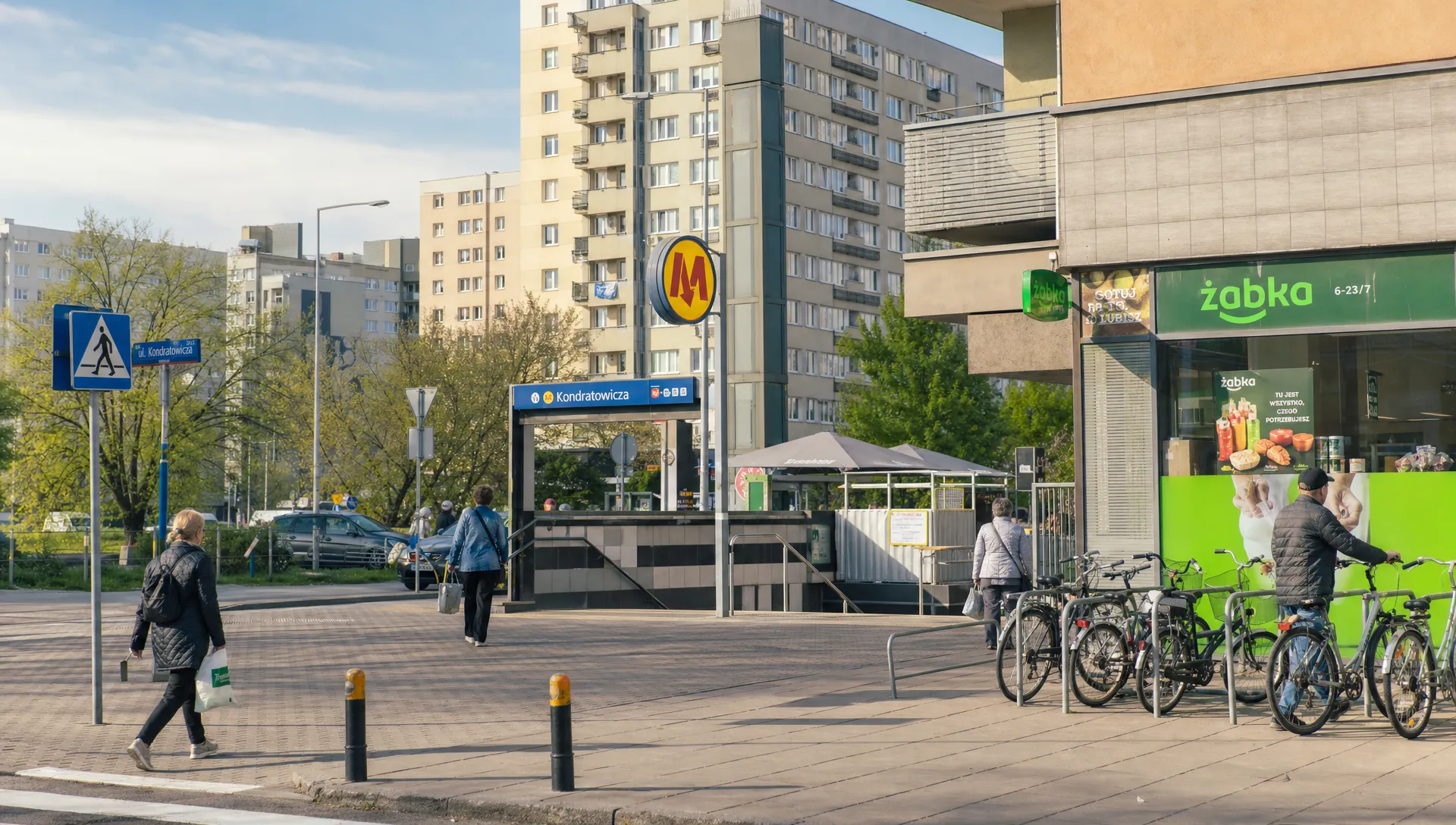
Arriving as an expat in Warsaw can feel oddly easy at first, especially if you speak English, use contactless payments and live near the metro. Then the small frictions appear: rental paperwork, medical choices, unfamiliar shop hours, winter darkness, tram routes, Polish forms and the slow work of making friends. The good news is that Warsaw rewards people who build practical routines early. It is large enough to offer international jobs, English-speaking services and diverse neighborhoods, but local enough that learning a few systems quickly makes daily life much calmer. This guide focuses on the first weeks and months, so you can move from “I’m just staying here” to “I know how my life works here.”
First 30 Days as an Expat in Warsaw
Your first month should not be about optimizing everything. It should be about removing uncertainty. Choose temporary accommodation if you can, learn your commute before signing a long lease and keep digital and paper copies of your key documents.
The first 90 days for an expat in Warsaw are easiest when you treat settlement as a sequence rather than a single big task. Housing, banking, healthcare and social life overlap, but trying to solve them all in one week usually leads to rushed decisions.
| Area | What to sort early | Warsaw tip | |------|--------------------|------------| | Housing | Temporary stay, then a lease | Test the commute at rush hour before committing | | Documents | Passport, visa or residence path, PESEL if applicable | Keep scans and printed copies ready | | Money | Polish bank account or reliable card setup | Check ATM fees and exchange rates before using cash | | Transport | Monthly ticket, route apps, airport links | Metro access can change your daily quality of life | | Healthcare | Public eligibility, private clinic options | Save clinic numbers before you need them |
If you are moving from the UK, remember that post-Brexit rules matter. Short visits are different from residence, work or family relocation. Do not rely on airport entry as a long-term plan. Confirm your visa, residence permit or employer-supported route before you make irreversible commitments.
Choose a Neighborhood That Fits Your Actual Week
Warsaw is not one lifestyle. Your experience will change sharply depending on whether you live in central Śródmieście, business-heavy Wola, leafy Żoliborz, family-oriented Wilanów, metro-connected Ursynów or more mixed areas like Praga-Południe and Ochota.
Finding a flat is often the first real test for an expat in Warsaw because listings move quickly, expectations vary and some landlords prefer Polish-speaking tenants. If you are not confident reading a lease, ask for help before signing. Pay attention to the deposit, notice period, utility billing, internet setup and whether the quoted rent includes administrative fees.
A quick neighborhood orientation
| Area | Best fit | Watch out for | |------|----------|---------------| | Śródmieście | Central living, nightlife, short commutes | Higher rents, noise, older buildings | | Wola | Office jobs, new apartments, metro access | Construction, business-district feel | | Mokotów | Balanced city life, parks, embassies | Commutes vary by exact location | | Żoliborz | Quiet streets, cafes, green space | Fewer late-night options | | Ursynów | Families, metro users, practical daily life | Farther from central nightlife | | Praga-Południe | Character, parks, improving connections | Quality varies street by street | | Wilanów | Families, international schools, newer housing | Car dependency in some pockets |
Do not import assumptions from another country’s housing market. If you have lived in places where standalone or manufactured housing is a normal affordability route, a look at manufactured home options in San Antonio shows how local housing formats can differ dramatically. Warsaw is much more apartment-led, especially for renters, so judge value through commute, building condition and local services rather than space alone.
Get Paperwork Under Control Without Letting It Take Over
Polish bureaucracy can be slow, but it is usually manageable when you bring the right documents and avoid last-minute deadlines. The terms you will hear early include PESEL, meldunek, profil zaufany, urząd, ZUS and NFZ. You do not need to master every system immediately, but you do need to know which ones apply to your situation.
As an expat in Warsaw, your paperwork path depends on nationality, employment status, family situation and length of stay. A UK remote worker, an employee hired by a Polish company, a student and a spouse of a Polish citizen may all face different steps.
For many newcomers, the useful order is: confirm legal stay, secure an address, check whether you need or can obtain a PESEL, open or update banking, arrange health coverage and then set up digital access where possible. If your Polish is limited, bring a Polish-speaking friend, translator or relocation adviser to important appointments.
Learn the Transport System Before You Buy Convenience
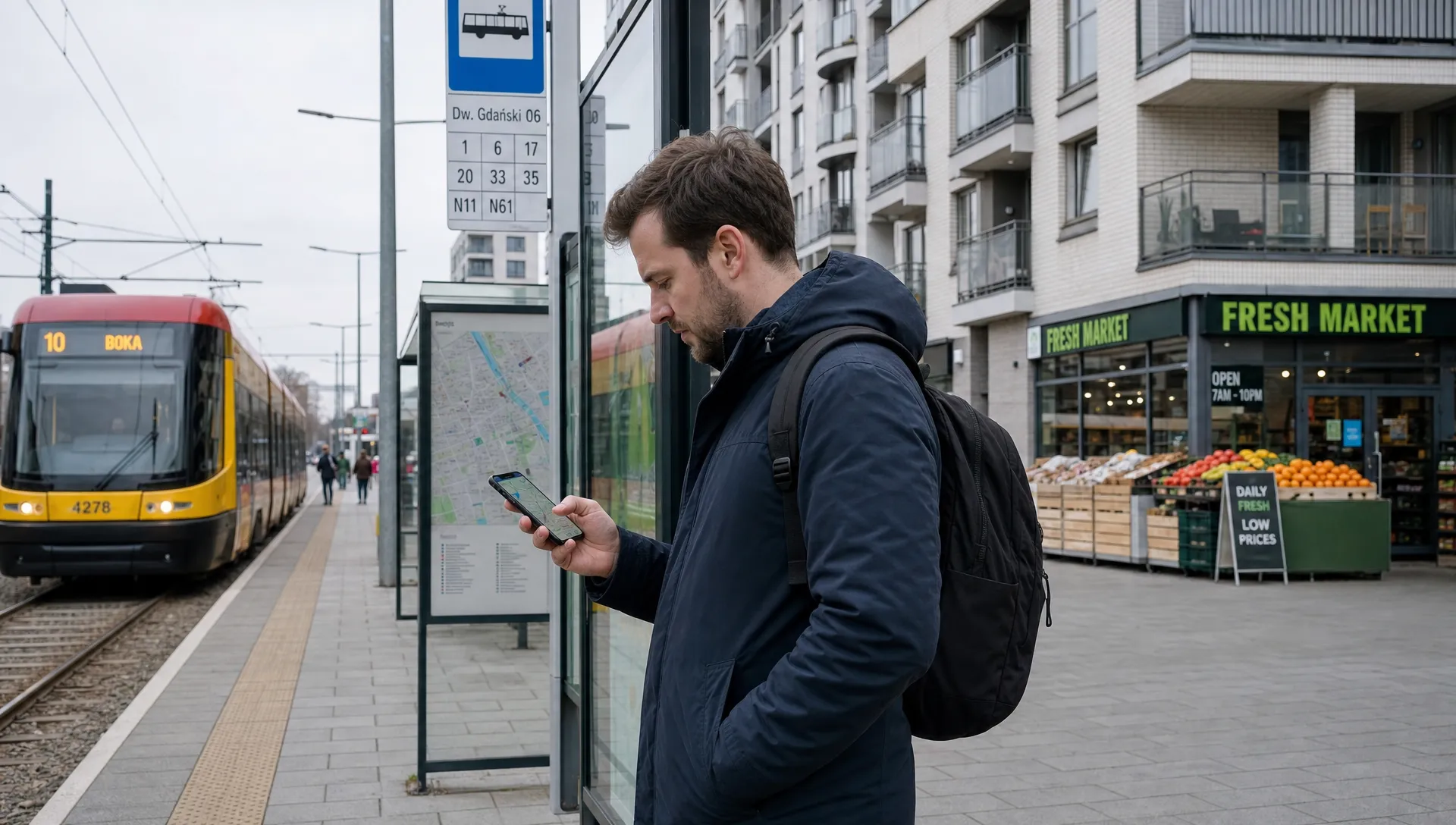
Warsaw’s public transport is one of the city’s biggest practical strengths. The metro is simple, trams are frequent in many areas, buses fill the gaps and suburban rail can be useful if you live farther out. A monthly or longer-term city ticket can remove a lot of daily decision-making.
The mistake is choosing housing based only on map distance. A flat that looks far away but sits beside a metro station may be easier than a more central apartment with awkward bus changes. Test your commute at the time you will actually travel, not on a quiet Sunday afternoon.
Driving is possible, but parking, traffic and winter road conditions can make a car more hassle than freedom in central areas. Many people settle happily with public transport, walking, taxis and occasional car rental.
Set Up Healthcare Before You Need It
Healthcare in Warsaw works best when you understand your route in advance. If you are employed in Poland or otherwise insured through the public system, you may be covered by NFZ. Many international workers and families also use private medical packages, either personally or through an employer, because they can make appointments faster and easier in English.
For an expat in Warsaw, the practical move is to create a short healthcare file in your first month. Save your nearest urgent care options, a private clinic number, your regular prescriptions, your blood type if known, allergy information and emergency contacts. If you take medication from the UK, check availability and naming differences before your supply runs low.
Dentistry, physiotherapy and specialist appointments are often accessible privately, but prices and English availability vary. Ask local expat groups for recent recommendations, then verify credentials and location yourself.
Build Work Routines That Make the City Feel Smaller
Warsaw is Poland’s largest business hub, with strong sectors including finance, IT, consulting, shared services, startups and international organizations. Even if you work remotely for a UK or global employer, your work routine will shape how quickly you feel settled.
For an expat in Warsaw who works from home, the danger is isolation disguised as flexibility. Use a coworking day, recurring cafe session or gym class to give your week structure. If privacy for calls matters, test coworking spaces before buying a longer membership. Location, noise, meeting rooms and contract flexibility matter more than stylish photos.
If you are comparing places to work outside your flat, Move2Poland’s guide to coworking spaces in Warsaw for remote workers explains what to look for before you commit.
Professionally, do not underestimate Polish directness. Meetings can feel more blunt than in some UK workplaces, but direct feedback is not automatically hostility. Listen for substance, follow up in writing and avoid reading too much into a concise message.
Make Social Life a Weekly System
Warsaw has international meetups, language exchanges, hobby clubs, sports groups, churches, volunteering options and professional events. The issue is not that there is nothing to do. The issue is that people are busy, winters are long and vague invitations rarely become friendships.
A common trap for an expat in Warsaw is waiting to feel settled before becoming social. Reverse it. Social routines are part of settling, not a reward after everything else is finished. Choose two recurring activities and attend them for at least six weeks before deciding whether they work.
Good first routines include a weekly Polish class, the same gym slot, a board-game night, a running club, Sunday coffee with one acquaintance or a coworking event. Specific invitations work better than broad ones. “Do you want to grab coffee near Rondo Daszyńskiego on Thursday at 6?” is easier to accept than “We should meet sometime.”
For deeper advice on this part of the move, read Move2Poland’s practical guide to building a social life after moving to Poland.
Learn Enough Polish to Reduce Daily Friction
You can live in Warsaw with English, especially in international workplaces and central services, but relying on English for everything keeps you slightly dependent. Polish is difficult, yet even basic phrases change how people respond to you.
Start with survival language: greetings, numbers, addresses, pharmacy phrases, food allergies, delivery instructions and polite requests. Learn how to pronounce your street name, district and tram stop. It is also worth learning the case forms you hear constantly, even if you cannot produce perfect grammar.
As an expat in Warsaw, you do not need fluency to make progress. You need enough Polish to show respect, solve simple problems and recognize what a form or sign is asking. A weekly class plus five minutes a day of review is more useful than a burst of motivation every few months.
Local etiquette is usually practical rather than theatrical. Say dzień dobry when entering small shops or lifts, keep your voice moderate on public transport, queue carefully and do not assume customer service will use the same style as in the UK. Efficient does not always mean warm, but it often means reliable.
Budget for Warsaw as a Real City, Not a Cheap Stopgap
Warsaw is usually better value than London, but it is not “cheap” in the way some old online posts suggest. Rent, international schools, private healthcare, restaurants and imported products can add up quickly. Your lifestyle matters more than any single average.
Build your budget around fixed costs first: rent, utilities, transport, health cover, phone, internet and school or childcare if relevant. Then track groceries, restaurants, travel, fitness and trips back to the UK. If you are paid in pounds but spending in złoty, exchange-rate swings can affect your comfort.
Move2Poland’s updated guide to the cost of living in Poland in 2026 for expats is a useful next step if you want realistic ranges before choosing a city or signing a lease.
Prepare for Winter, Schools and Family Logistics
Warsaw winters are not unbearable, but they change daily life. Darkness arrives early, pavements can be icy and the air can feel dry indoors because heating is strong. Good boots, layered clothing, vitamin D advice from a doctor and a planned indoor routine make a real difference.
If you are an expat in Warsaw with children, think carefully about school location before choosing housing. International schools, bilingual schools and Polish public schools can create very different daily rhythms. Commute time matters for children too, especially in winter.
Families should also map nearby playgrounds, clinics, weekend activities, swimming pools and grocery options. Warsaw can be very family-friendly once you know your district, but the city is large enough that a poor location choice can make simple errands tiring.
Pets require planning as well. Check lease permissions, nearby vets, building rules and green space before moving in. Some apartments are pet-friendly in theory but awkward in practice if the lift is small, the neighborhood lacks parks or the landlord is nervous about damage.
Know When to Ask for Help
Some parts of settling are worth doing yourself because they teach you how Poland works. Other parts are worth getting help with because mistakes are expensive, stressful or slow to fix. Visas, tax residency, lease terms, school choice and business setup fall into the second category for many newcomers.
The best support does not make every decision for you. It helps you understand the trade-offs before you commit. Warsaw is a strong choice for many international people, but it is not automatically the right choice for everyone. Your work, family needs, tolerance for big-city life, budget and language expectations all matter.
Frequently Asked Questions
Is Warsaw a good city for expats? Yes, Warsaw is one of Poland’s easiest cities for international newcomers because it has a large job market, strong public transport, international services and many English-speaking professionals. It is also busy, spread out and more expensive than most Polish cities, so neighborhood choice matters.
Can I live in Warsaw if I only speak English? You can manage many parts of daily life in English, especially in central areas and international workplaces. However, learning basic Polish will make renting, healthcare, offices, deliveries and neighbor interactions much easier.
How long does it take to settle in Warsaw? Many people feel functional after one to three months, but feeling socially rooted often takes six to twelve months. Your timeline depends on housing stability, work routine, language effort and how actively you build social habits.
What is the hardest part of settling in Warsaw? The hardest part is usually not one big problem. It is the accumulation of small tasks: paperwork, lease details, new systems, winter routines and building friendships from scratch. A clear plan reduces the stress.
Should I choose Warsaw over Wrocław, Kraków or Gdańsk? Choose Warsaw if you want the largest job market, capital-city energy, broad international services and strong transport. Consider other cities if you prefer a smaller scale, lower rent pressure or a different lifestyle rhythm.
Want a Clearer Warsaw Plan?
If you are deciding whether Warsaw is right for you, or you have already chosen it and want fewer surprises, Move2Poland can help you think through the practical details before you commit. Explore practical relocation guidance from Move2Poland if you want support with city choice, planning, visas, bureaucracy and the real-life trade-offs of moving to Poland.