
Moving to Poland With Children: What British Families Should Consider
Everything British parents need to consider about schools, healthcare, childcare, residency and settling into family life in Poland.
By Move2Poland·
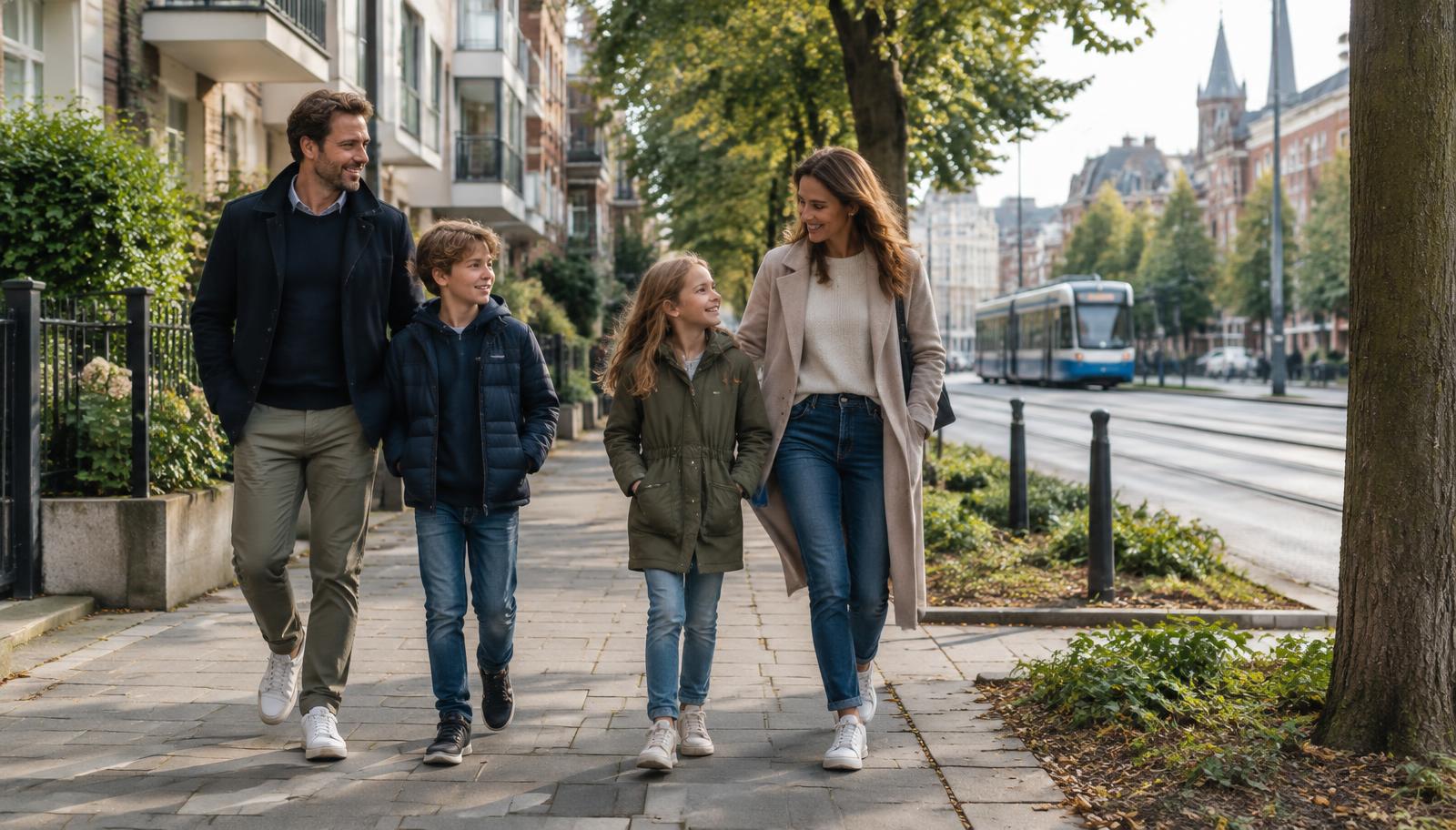
Moving abroad with children changes everything.
A relocation that might feel straightforward as a couple becomes more complex when you are thinking about school places, paediatric healthcare, childcare, language, residency and how each child will experience the move.
Poland can be an attractive option for British families. Housing and childcare may cost less than in many parts of the UK, larger cities offer strong public transport and everyday family life often centres on parks, playgrounds and extended family. None of those advantages is automatic, however. Costs vary sharply by city, legal status affects access to services, and every child adjusts differently.
This guide explains the main decisions to make before moving to Poland with children. For a side-by-side view of family life, read our evidence-led guide to raising children in Poland versus the UK.
Why British families consider Poland
Families move for different combinations of work, relationships, lifestyle and identity. Common reasons include employment opportunities, lower housing costs outside the most expensive districts, access to family support, a wish to reconnect with Polish roots and the possibility of a different work-life balance.
Some families find that Polish cities feel manageable: daily errands can be close together, public transport is widely used and housing estates often include playgrounds or green space. Others miss familiar support networks, English-language services or the educational approach their children knew in Britain. A good decision compares the whole family’s needs rather than one headline cost.
⌖ Wrocław
International schooling options, a broad employment market and extensive parks. Housing costs and school travel differ by district.
⌖ Kraków
A large cultural and university city with established transport and varied schooling. Air quality and tourist pressure are worth checking locally.
⌖ Poznań
A compact, well-connected city that can suit families seeking a quieter pace. Compare school options before choosing a neighbourhood.
⌖ Gdańsk
Coastal access, outdoor activities and a growing international community. Consider the wider Tricity area as well as central Gdańsk.
Before you move: essential paperwork
After Brexit, British citizens do not have automatic freedom of movement in Poland. The correct route depends on nationality, family relationships, work and whether a person held rights under the Withdrawal Agreement. Check current requirements with official Polish authorities or obtain regulated legal advice before committing to a move.
Families commonly need to prepare:
- valid passports for every family member;
- full birth certificates and, where relevant, marriage or custody documents;
- evidence supporting the appropriate residence application;
- proof of address and local address registration where required;
- PESEL identification numbers when eligible;
- evidence of public or private healthcare cover; and
- school records, reports, vaccination information and details of additional needs.
Our relocation services can help you map the process and identify which specialist advice you may need.
Choosing the right Polish city
Start with the practical journey of a normal weekday. Map the school or nursery, workplace, tram or bus connections, supermarket, green space and healthcare. A beautiful flat can become difficult if every school run requires two changes and a long walk in winter.
Visit shortlisted areas at morning and evening times. Listen for road noise, inspect playgrounds and pavements, check lift access if you use a pushchair, and test the real journey to school. Ask schools directly about places, language support and admission timing before signing a long tenancy.
Wrocław
- international schools
- strong job market
- parks and riverside space
Kraków
- culture and universities
- varied school choice
- extensive transport
Poznań
- more relaxed scale
- good connections
- family-oriented districts
Gdańsk
- seaside setting
- outdoor activities
- international networks
Understanding Poland’s school system
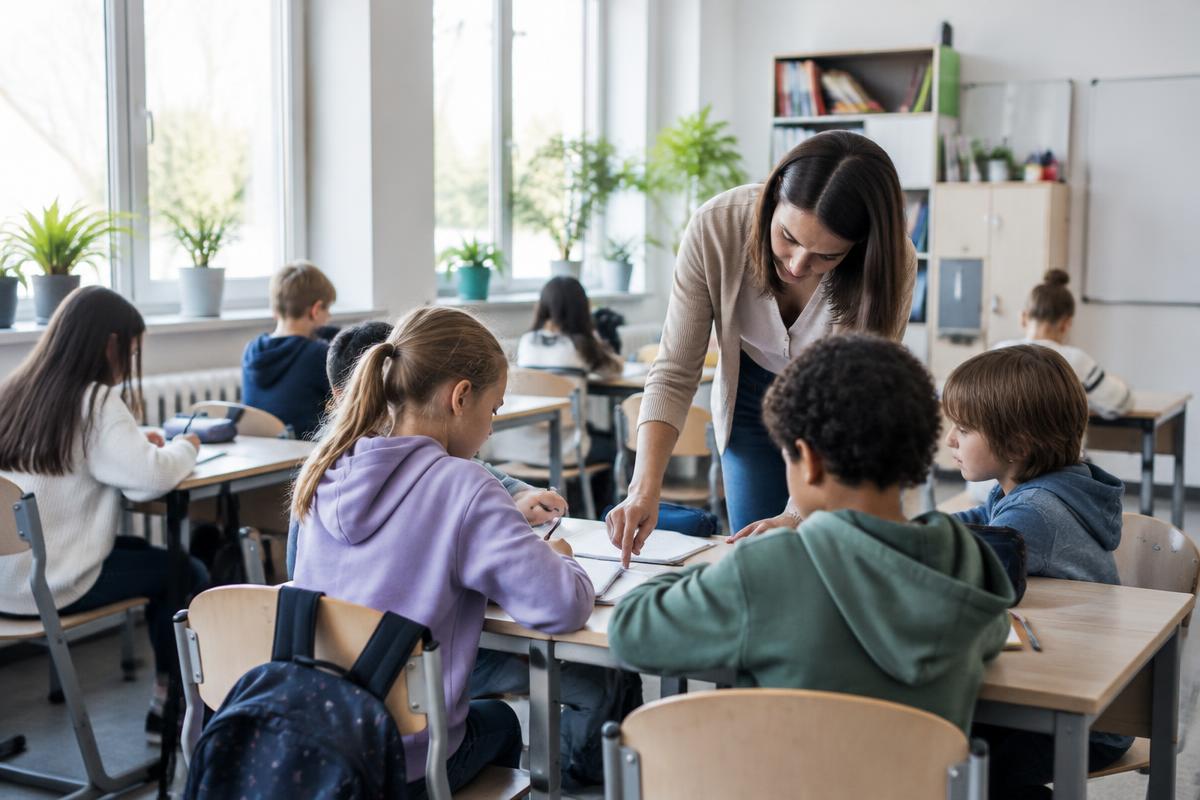
Poland’s system begins with żłobek for very young children and przedszkole for preschool. Children complete compulsory preschool preparation in the calendar year they turn six, then normally start the eight-year primary school in the calendar year they turn seven. Secondary options include four-year general secondary schools, five-year technical schools and sectoral vocational routes. Education obligations continue until age 18.
Children arriving from abroad can generally attend public school when living in Poland, but admissions, available places and documentation are handled locally. Ask the municipality and school what they require. International, British-curriculum and IB options exist mainly in larger cities and usually charge fees.
Poland
Formal primary school normally starts in the calendar year a child turns seven, after compulsory preschool preparation at six. Primary school lasts eight years.
United Kingdom
There is no single UK school system. Most children start Reception in England and Wales at four or five; Scotland and Northern Ireland have different stages, ages and curricula.
The classroom culture may feel more formal than a child’s previous school, although experience varies by school and teacher. Request a conversation about assessment, homework, pastoral support and communication with parents. If your child has additional educational needs, ask for concrete information about staffing and support before deciding where to live.
Will my child learn Polish?
Children can make rapid progress in social Polish, especially when they hear it every day, but “picking up the language” is not the same as academic fluency. Reading instructions, writing extended answers and understanding subject vocabulary can take much longer.
Ask each school how many additional Polish lessons it offers, who provides them and how teachers adapt subject work during the transition.
Bilingual development is common, but it needs support. Keep English rich at home through reading, conversation and contact with friends and relatives. Teenagers may need a more deliberate plan because social belonging, examinations and subject-specific vocabulary arrive at the same time.
Childcare can be more affordable — but compare locally
Public nursery and preschool fees can be subsidised, and some eligible parents can receive national support such as the Active Parent programme. Eligibility is not automatic for every British family and may depend on residence, work, insurance and the child’s placement.
- ♙ Public nursery
Lower fees may apply, but places can be limited. - ♙ Private nursery
More availability in some districts, with wide price variation. - ✎ Preschool
Public and private options differ in hours, meals and language support. - ✓ Subsidised care
Check current eligibility and application rules before budgeting.
Compare total monthly costs, not only the advertised fee. Include meals, activities, late collection, holiday cover and the travel time between home, childcare and work.
Healthcare for your children
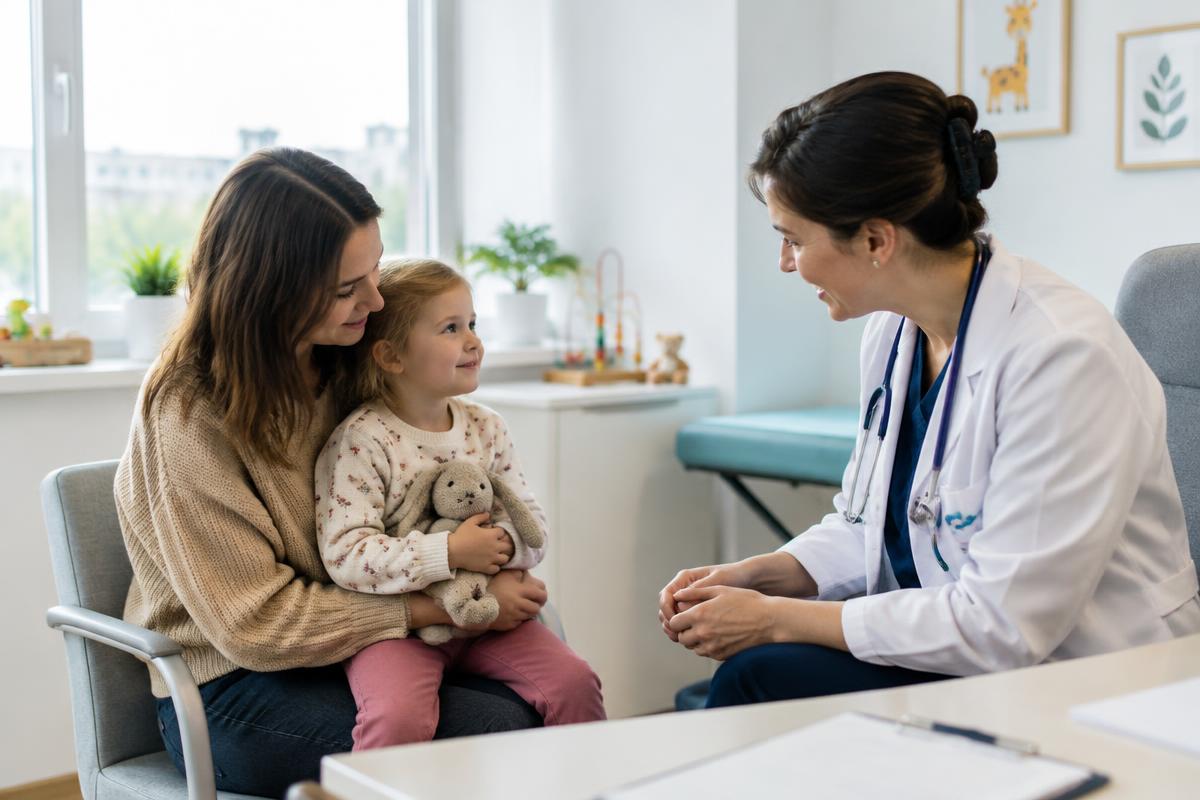
Poland’s public system is managed through the National Health Fund, or NFZ. Children with valid entitlement can access covered primary care, vaccinations, specialist referrals and hospital treatment. Parents still need to establish the family’s entitlement and register with a primary-care provider. Private paediatric appointments are also widely used, particularly when families want a specific language or faster non-urgent access.
Poland
- NFZ-funded care for eligible families
- primary and paediatric care
- national vaccination programme
- private clinics as an optional supplement
United Kingdom
- NHS services free at the point of use for eligible patients
- GP-led access and referrals
- national vaccination programmes
- waiting times vary by nation, area and service
Before moving, carry a concise medical summary, repeat-prescription details and vaccination records. If a child has an ongoing condition, identify the appropriate Polish specialist and medicine availability in advance. This is planning information, not medical advice.
Finding family-friendly housing
A family home is more than its floor area. Look closely at the immediate streets and the journeys children will make. A district with dependable transport and everyday services can be easier than a larger home at the edge of the city.
- ⌂ Schools and childcare
Check catchment, places and the real walking route. - ⌖ Tram and bus access
Test connections during the school-run period. - ♧ Parks and playgrounds
Inspect lighting, crossings and winter accessibility. - ▣ Daily essentials
Map supermarkets, pharmacies and primary care.
Rental contracts, deposits and utility arrangements may differ from what you know in Britain. Read every term, clarify which charges are included and record the property’s condition at handover.
Everyday family life in Poland
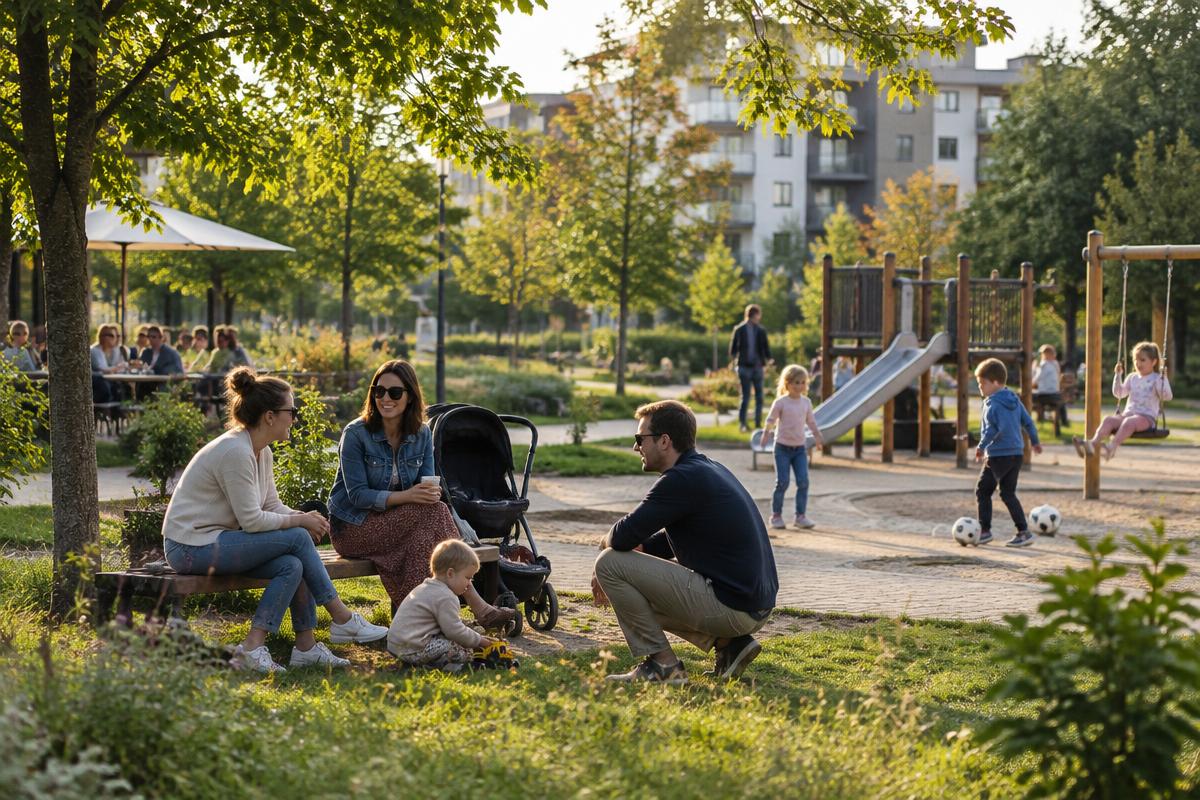
In many Polish neighbourhoods, playgrounds are busy after school, grandparents are visibly involved in family routines, and cafés or restaurants welcome children. Evening walks and weekends in parks, forests or allotments can become part of daily life rather than a special event.
That does not mean every British family will experience life as calmer or more community-focused. Work patterns, neighbourhood, income, language and proximity to relatives make a major difference. Families without nearby support may need to build their own network deliberately.
“Many British families describe everyday life as calmer and more family-focused after relocating — but that experience depends on the place, support network and pressures each family brings.”
Preserve familiar rituals during the first months. A regular video call, favourite meal or weekend activity can give children continuity while everything around them changes.
Building a support network
Do not wait for a crisis to meet other parents. Useful starting points include school events, sports clubs, parent groups, local cultural centres, language exchanges and international communities. Facebook groups can help with introductions, but verify legal, medical and administrative advice through official or qualified sources.
Try to build both international and Polish connections. English-speaking friends can understand the relocation experience; Polish neighbours and parents can help your family take part in local life. If one parent already speaks Polish, remember that the other parent and the children may still need their own networks.
Common challenges
A realistic first-year checklist
- Polish administration: processes can involve several offices and precise documents.
- Language barriers: English availability varies outside international settings.
- Different school culture: communication, grading and expectations may feel unfamiliar.
- Healthcare registration: establish coverage and a local provider before an urgent need.
- Emotional adjustment: children may grieve friendships and familiarity even when they wanted the move.
Most families find the practical challenges become more manageable once the initial paperwork and daily routines are established. Emotional adjustment may follow a different timetable, so keep listening after the boxes are unpacked.
Your family moving checklist
Before you arrive
- ☐ Check each person’s residence requirements
- ☐ Gather children’s civil, school and medical records
- ☐ Research schools and ask about places
- ☐ Arrange suitable initial accommodation
- ☐ Build a realistic family budget
After you arrive
- ☐ Complete required address registration
- ☐ Obtain PESEL numbers when eligible
- ☐ Confirm healthcare coverage and register locally
- ☐ Finalise school or childcare arrangements
- ☐ Establish emergency contacts and family routines
Treat this as a planning prompt rather than a legal checklist. Rules and documents can change, and the correct order depends on your circumstances.
Frequently asked questions
Can British children attend public schools in Poland?
Children who are resident in Poland can generally access public education. The documents and admissions process depend on the family’s residence position and the school or municipality.
Is healthcare free for children in Poland?
Children covered by Poland’s public health system can use eligible NFZ services without paying at the point of care. Coverage depends on registration and entitlement, so families should confirm their position before moving.
Do children need to speak Polish before starting school?
No, but the transition can be demanding. Public schools can provide additional Polish-language support, and progress varies with age, prior language exposure and the support available locally.
Which Polish city is best for families?
There is no single best city. Wrocław, Kraków, Poznań and Gdańsk offer different balances of work, schooling, housing, transport and lifestyle. The right choice depends on the family’s priorities.
How long does settling in usually take?
There is no reliable universal timetable. Age, language, school support, housing stability and family circumstances all shape the adjustment, and teenagers may need different support from younger children.
Moving Your Family to Poland?
Relocating with children means coordinating residence, PESEL registration, healthcare enrolment and school admissions. Move2Poland helps families make a clear plan for the decisions ahead.