
What Life in Krakow Poland Is Really Like for Foreigners
Kraków can feel historic, sociable and surprisingly practical, but it is not a postcard once you live there. This guide explains the real trade-offs foreigners face before choosing the city.
By Move2Poland·
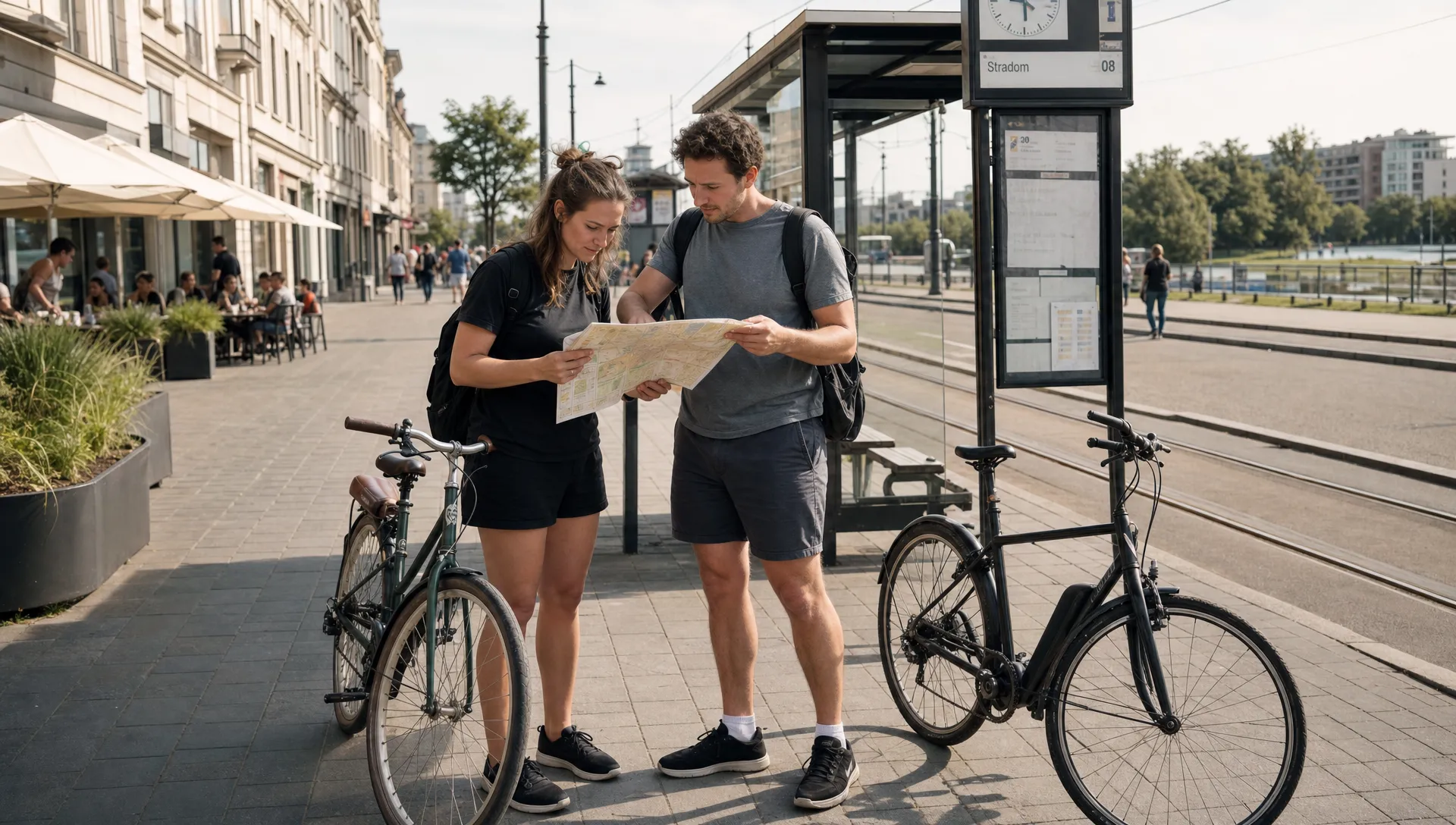
If you are researching life in Krakow Poland as a foreigner, the short answer is this: Kraków is one of the easiest Polish cities to enjoy quickly and one of the harder ones to judge clearly after a weekend visit. The Old Town, Kazimierz cafes, tram network and international crowd make it feel accessible from day one. The long-term reality is more mixed: housing can be competitive, winter air quality can be poor, Polish bureaucracy is rarely charming and the tourist-heavy center can feel less livable than it looks.
Kraków rewards people who like walkable cities, culture, history, public transport and a strong cafe or restaurant scene. It frustrates people who expect Mediterranean warmth, effortless paperwork or London-level salaries. For foreigners, the city is often a good fit, but not an automatic one.
This guide looks at Kraków as a place to live, not as a city-break destination. That means neighborhoods, routines, costs, work, language, social life and the trade-offs you only notice once the novelty fades.
Life in Krakow Poland at a Glance: The Real Balance
Kraków is beautiful, compact and unusually international by Polish standards. Its historic center is recognized by UNESCO, it has major universities such as Jagiellonian University and it attracts students, remote workers, corporate employees, entrepreneurs and English teachers from many countries.
That does not mean it is easy in every way. Kraków is still a Polish city with Polish systems, Polish-language paperwork and a housing market that has become more expensive in the most desirable areas. You can live well here, but you need realistic expectations.
| Area of life | What foreigners often like | What can surprise you | |-------------|----------------------------|------------------------| | Atmosphere | Historic streets, cafes, culture and a lively center | Tourist crowds and noise in central areas | | Housing | Many apartments and varied districts | Popular neighborhoods can be competitive | | Work | IT, shared services, universities and remote work options | Local salaries may feel low compared with the UK | | Transport | Trams, buses, trains and walkable districts | Some outer areas require more planning | | Social life | International meetups, students and hobby groups | Deep friendships can take time | | Comfort | Good food, safety and cultural life | Winter darkness, smog and bureaucracy |
For most foreigners, life in Krakow Poland feels easiest when they choose the right district, earn enough to absorb rising rents and accept that daily admin will not always be smooth.
The Atmosphere: Historic, Young and International
Kraków has a stronger old-world feel than many Polish cities. The center is full of churches, courtyards, cellar bars, bookstores and restaurants tucked into streets that feel older than the modern country around them. Kazimierz adds another layer, with Jewish heritage, nightlife, galleries and a more informal feel.
The city is also young. Students shape the rhythm of the place, especially around the academic year. Cafes are full during the day, bars stay lively at night and English is common in central businesses, coworking spaces and international companies.
The daily texture of life in Krakow Poland is shaped by that contrast: you can buy vegetables from a small local market in the morning, work from a modern office or laptop-friendly cafe in the afternoon and spend the evening at a classical concert, language exchange or craft beer pub.
Where the Charm Is Real
Kraków is easy to enjoy on foot. Many foreigners love being able to walk from the Main Square to Planty Park, Kazimierz, the Vistula River and Podgórze without needing a car. The city also has a strong food scene, from Polish milk bars and bakeries to Georgian restaurants, ramen spots, vegan cafes and modern Polish dining.
Weekends can feel full without much planning. You can visit museums, cycle along the river, take a train to Wieliczka, hike in the nearby valleys or head toward the Tatra Mountains when you have more time.
Where the Charm Gets Complicated
The same center that looks magical on a first visit can feel tiring if you live too close to the busiest streets. Tourist groups, stag parties, short-term rentals and late-night noise are real issues in parts of Stare Miasto and Kazimierz.
That does not make Kraków unlivable. It means foreigners should think carefully before choosing a flat based only on postcard views. A slightly less famous district often gives you a better everyday life.
Where Foreigners Tend to Live in Kraków
Your experience of life in Krakow Poland will depend heavily on your neighborhood. Two people can live in the same city and have completely different impressions depending on noise, commute, green space and how easy it is to shop or socialize nearby.
Central areas are attractive if you want atmosphere and convenience. Outer neighborhoods often give you more space, quieter streets and better value. The best choice depends on your budget, lifestyle and tolerance for crowds.
| Area | Best for | Feel | Main trade-off | |------|----------|------|----------------| | Stare Miasto | Short stays, nightlife, culture lovers | Historic, central and busy | Expensive, touristy and noisy | | Kazimierz | Social life, food, bars and culture | Lively, creative and international | Weekend noise and higher demand | | Podgórze | Balance of access and local life | Calm in parts, close to the river | Prices have risen in desirable pockets | | Zabłocie | Modern apartments and coworking access | Urban, newer and convenient | Less traditional neighborhood character | | Krowodrza | Students, commuters and families | Practical and well connected | Some areas feel less scenic | | Dębniki | River access and quieter living | Residential, green and calm | Commute varies by exact location | | Bronowice | Families and people wanting more space | Suburban but connected | Less central nightlife | | Nowa Huta | Budget-conscious movers and curious urbanists | Spacious, distinctive and local | Farther from the postcard version of Kraków |
If you are choosing between Kraków and another Polish city, this comparison of Wrocław and Kraków for British expats is useful because the two cities appeal to similar movers but feel different in daily practice.
Housing Costs and Everyday Spending
For a foreigner with UK savings or a remote income, life in Krakow Poland may feel affordable compared with London, Manchester or Bristol. For someone earning a local salary, it can feel less cheap than expected. Kraków is one of Poland’s most desirable cities, and that shows up in rent.
The biggest variable is housing. Central one-bedroom apartments and modern flats near popular tram lines tend to move quickly. Cheaper options exist farther out, but you need to weigh rent against commute time, public transport access and how often you want to be in the center.
Groceries, public transport, basic services and eating out can still offer good value by Western European standards. Imported products, international schools, private healthcare packages, frequent restaurant meals and short-term accommodation can raise your budget fast. For broader numbers and planning ranges, Move2Poland’s 2026 cost of living guide for expats gives a more complete country-level picture.
Work, Remote Income and the Salary Gap
Kraków has a large business services sector, a visible IT scene, universities, language schools and plenty of international companies. English-speaking work exists, especially in corporate roles, tech, finance, customer operations and specialist positions.
The challenge is not always finding work. It is matching your expected lifestyle to local pay. Salaries in Poland have risen over the years, but many foreigners from the UK, US or Western Europe still notice the gap, especially if they compare gross salary to rent in a popular district.
The strongest version of life in Krakow Poland often comes when your income is portable, specialized or above the local average. Remote workers, business owners and skilled professionals may find the city offers a strong quality-of-life-to-cost ratio. If you are moving for a local job, look closely at net income, rent, healthcare, pension contributions and tax residency before making a decision.
Language, Paperwork and Daily Errands
You can survive in Kraków with English, especially in the center and among younger people. You should not assume English will carry you through every doctor’s appointment, government office, utility issue or housing conversation.
Polish is a difficult language for English speakers. Even basic phrases make a difference, though. Learning how to greet people, book appointments, read signs, understand food labels and handle polite everyday exchanges will reduce stress quickly.
The least glamorous part of life in Krakow Poland is paperwork. Residency, registration, tax questions, healthcare access and banking can be manageable, but they are rarely intuitive. The system is not designed around the feelings of a newcomer. It rewards preparation, patience and having copies of documents you did not think anyone would ask for.
Social Life: Easy First Contacts, Slower Close Friendships
Kraków is one of the easier Polish cities for meeting people. There are international meetups, language exchanges, climbing gyms, running groups, coworking events, university circles and hobby communities. If you are proactive, you can fill your calendar quickly.
The harder part is turning activity into friendship. Polish social circles can be warm but slow to open. Many locals already have long-standing friends from school, university or family networks. Expats may be more available, but they can also leave after a year or two.
Socially, life in Krakow Poland works best when you build routines rather than waiting for invitations. Join the same class every week, become a regular at one or two places and make specific plans instead of vague suggestions. Move2Poland has a separate guide on building a social life after moving to Poland, and the advice applies especially well to Kraków.
Getting Around Without a Car
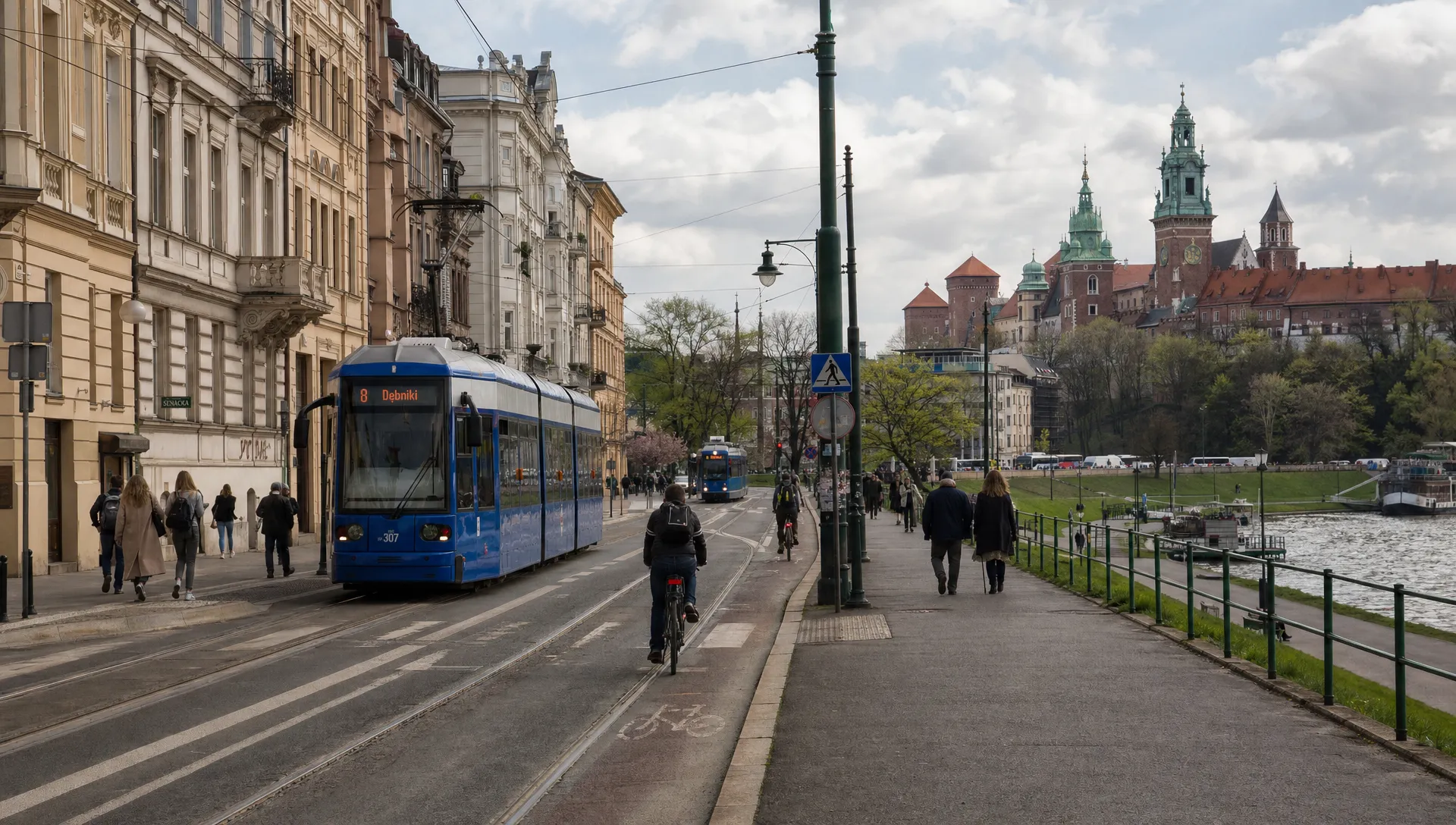
Kraków is a good city for car-free living. The tram and bus network covers most daily needs, and many central districts are walkable. Cycling is possible too, especially along the river and in flatter areas, though infrastructure quality varies by route.
The main railway station is central, which makes regional and national travel straightforward. Kraków Airport is also easier to reach than many newcomers expect, with rail and bus connections depending on your location.
A car can be useful for families, outer districts or mountain trips, but it is not essential for many foreigners. Parking in central areas can be annoying, traffic can be slow and winter driving is another skill set if you are not used to snow, ice or darker roads.
Food, Culture and Weekend Life
Kraków’s cultural life is one of its strongest advantages. Museums, small cinemas, live music, festivals, galleries and classical concerts are part of ordinary city life, not rare treats. The city also has enough international residents to support diverse restaurants and events without losing its Polish character.
Food is a major comfort point for many foreigners. You can eat cheaply at traditional places, spend more on modern dining or cook at home with good access to markets, bakeries and supermarkets. Delivery apps are common, but one of the pleasures of Kraków is still walking to a nearby cafe or bakery without planning your whole day around it.
For weekends, Kraków gives you options. You can stay local and explore neighborhoods, go to the countryside around Ojców, take a train to another city or travel south toward the mountains. That access to both urban life and nature is a big reason people stay.
The Downsides Foreigners Should Not Ignore
The less romantic side of life in Krakow Poland includes winter air quality, tourist pressure, housing competition and the emotional fatigue of dealing with systems in a language you do not fully understand.
Air quality deserves special mention. Kraków has made progress over the years, but winter smog can still be a concern, especially for people with asthma, young children or respiratory issues. Before moving, check real-time conditions through official sources such as the GIOŚ air quality portal.
Other downsides are more personal. Some foreigners find the winter too dark. Some struggle with direct communication styles. Some miss the ease of familiar services back home. Some love the city for six months, then realize they need either a larger job market, a quieter environment or a less tourist-heavy center.
Who Kraków Is Best Suited For
Life in Krakow Poland suits foreigners who want a historic, walkable, culturally rich city with good transport and an international layer. It is especially appealing if you can earn remotely, work in tech or business services, study, teach, freelance or arrive with enough savings to avoid pressure in your first months.
Kraków can be a strong fit if you value atmosphere over scale. It is big enough to have options but small enough to understand. You can build habits quickly: the same bakery, the same tram route, the same gym, the same Sunday walk by the river.
It is also a good city for people who enjoy learning. Not just language learning, but cultural learning. If you are curious about Poland, patient with differences and willing to do some admin homework, Kraków gives a lot back.
Who May Struggle in Kraków
Kraków may be frustrating if you need high local salaries, lots of personal space, very clean winter air or a city that runs mostly in English. It may also disappoint people who expect the center to feel peaceful all year. The most beautiful parts of Kraków are also the parts everyone else wants to visit.
Families should think carefully about schools, healthcare access, apartment size and commute patterns. Retirees should pay close attention to medical needs, winter comfort and whether they want to live near English-speaking support. Younger movers should be honest about salary, housing and whether they are choosing Kraków for real life or for the memory of a great weekend trip.
Frequently Asked Questions
Is Kraków a good place for foreigners to live? Yes, Kraków can be a very good place for foreigners, especially those who want culture, walkability, public transport and an international social scene. It is not perfect, though. Housing, winter air quality, paperwork and local salary levels need careful thought.
Can you live in Kraków with only English? You can manage many parts of daily life in English, especially in central areas, international workplaces and younger social circles. For government offices, healthcare, housing issues and deeper integration, learning basic Polish will make life much easier.
Is Kraków expensive for expats? Kraków is usually cheaper than major UK cities, but it is not a bargain in every category. Rent in popular areas can be high by Polish standards, and your experience will depend heavily on income, lifestyle and whether you need private services.
Which area of Kraków is best for foreigners? Kazimierz, Podgórze, Krowodrza, Dębniki and parts of Zabłocie are common choices, depending on budget and lifestyle. Stare Miasto is convenient but often noisy and tourist-heavy. Families may prefer quieter residential districts with good tram access.
Is life in Krakow Poland better than life in Warsaw? It depends on priorities. Kraków feels more historic, compact and atmospheric. Warsaw usually offers a larger job market, more corporate opportunities and a bigger-city feel. Many foreigners prefer Kraków for lifestyle and Warsaw for career scale.
Deciding Whether Kraków Is Right for You
Kraków is easy to fall for and harder to evaluate objectively. That is why a short visit is not enough. Spend time in residential districts, test your commute, check winter air quality, compare real rents and think honestly about work, language and paperwork.
If you want practical help deciding whether Poland, and Kraków specifically, fits your situation, Move2Poland offers relocation guidance, decision support and planning help for individuals and families. You can start with the Move2Poland homepage and use the resources there to make a clearer choice before you commit.