
What to Know Before Moving to Poland as an American
Poland can offer safety, walkable cities and a lower cost base, but Americans face Schengen limits, tax complexity and real bureaucracy. This guide helps you judge the move before you ship your life across the Atlantic.
By Move2Poland·
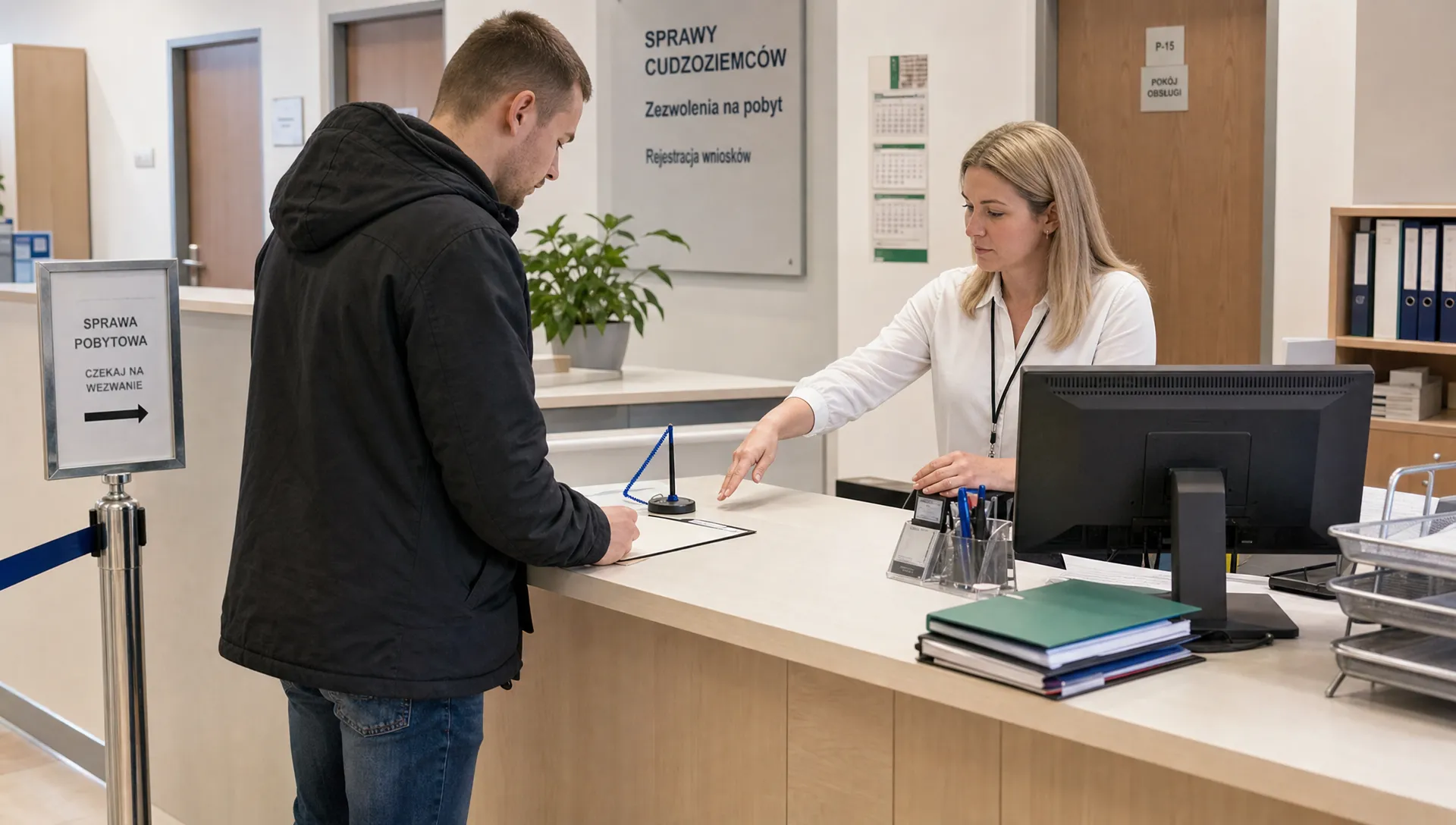
Moving to Poland as an American can be a smart move if you want a European base with walkable cities, strong public transport, historic surroundings and a cost structure that can feel calmer than many large US metros. It is not, however, as simple as buying a one-way ticket and figuring things out later. You are entering the Schengen Area as a non-EU citizen, you may still have US tax obligations and many parts of life, from leases to government offices, run on Polish paperwork and Polish timelines. Before you commit, you need to understand the legal route, the money picture and whether daily life here actually matches the life you want.
Moving to Poland as an American: the big picture
Poland can be appealing for Americans for several reasons: city centers are often compact, public transport is useful, violent crime is relatively low by US standards and travel across Europe becomes much easier once you are legally settled. Warsaw, Kraków, Wrocław, Gdańsk and Poznań all have international communities, English-speaking workplaces and better infrastructure than many first-time visitors expect.
The harder part is that Poland is not designed around the assumptions many Americans bring with them. Apartments are usually smaller, customer service is less performative, healthcare access depends on your insurance route and bureaucracy can feel rigid. A move that works beautifully for one person can feel exhausting for another, especially if they expected everything to operate like an English-speaking version of their US city.
The best mindset is practical rather than romantic. Treat Poland as a real country with its own systems, not as a lifestyle aesthetic. If you do that, you can make a much more honest decision.
Residency and visas: do not treat Poland like a long vacation
For anyone moving to Poland as an American, the first legal reality is the 90/180-day Schengen rule. US citizens can usually enter Poland visa-free for short tourism or business visits, but that does not give you the right to live, work or reset the clock by hopping across a border for a weekend.
Short stays and the Schengen clock
The 90/180-day rule applies across the Schengen Area, not just Poland. Time spent in France, Germany, Italy, Spain or other Schengen countries counts toward the same allowance. If you are using an exploratory trip to test life in Poland, track your days carefully and check current entry rules before you travel.
For official immigration information, use Polish government sources such as the Office for Foreigners rather than relying only on social media or expat forums. Rules, required documents and appointment procedures can change.
Long stays need a legal basis
If you want to stay longer, you generally need a legal basis such as work, studies, family ties, business activity or another qualifying reason. Depending on your situation, that may involve a national visa, a temporary residence permit or both. Employers may also need to handle work authorization before you can legally work in Poland.
Remote work is the area where Americans often get into trouble. Poland does not have a simple one-size-fits-all digital nomad route. Working for a US company while physically living in Poland can raise residence, tax, employment law and social insurance questions. Do not assume that US payroll automatically makes everything legal locally.
Money, taxes and cost of living
The financial side of moving to Poland as an American is often more nuanced than the online cost-of-living comparisons suggest. Poland may look inexpensive if you compare Warsaw to New York, San Francisco or Boston, but local salaries, taxes and housing standards are different.
Cost of living depends heavily on your income source
If you keep a strong US income and spend in Polish złoty, Poland can feel affordable. If you earn a local Polish salary, the gap narrows quickly. Imported goods, electronics, international school fees, private healthcare packages and frequent flights back to the US can also change the budget.
Rent is usually the largest monthly cost. A furnished one-bedroom apartment in a central district of Warsaw or Kraków will not feel cheap compared with local wages. Smaller cities can be more affordable, but they may offer fewer English-speaking jobs and fewer international services.
US citizens still deal with US taxes
US citizens are generally taxed by the United States on worldwide income, even when living abroad. The IRS guidance for US citizens and resident aliens abroad explains filing obligations, foreign income rules and related forms.
Poland also has its own tax residency rules, often connected to where your personal or economic interests are centered and how many days you spend in the country. The US and Poland have a tax treaty, but treaties do not eliminate the need to file correctly. Before relocating, speak with a tax professional who understands both systems, especially if you own a business, hold investments, receive stock compensation or plan to freelance.
Work and income realities for Americans
If you are moving to Poland as an American for work, separate the job search from the lifestyle dream. English is useful in international companies, but most of the domestic economy operates in Polish. Strong candidates often have experience in technology, finance, operations, sales, education, consulting or shared service centers.
Warsaw has the broadest job market and the highest concentration of corporate roles. Kraków and Wrocław also have large international business communities, especially in technology and business services. Gdańsk, Gdynia and Sopot offer a coastal lifestyle with growing professional opportunities, though the market is smaller.
Freelancers and business owners should be especially careful. Setting up Polish self-employment or a company can be workable, but it brings accounting, social security contributions, invoicing rules and possible VAT registration. It is worth paying for proper accounting advice early rather than trying to reverse-engineer the rules after invoices have already gone out.
Choosing a city before signing a lease
A good city choice can make moving to Poland as an American much easier, especially in your first year. Your experience in Poland will vary enormously depending on whether you choose a major international city, a university town, a smaller regional capital or a village near family.
Before committing to a long lease, spend time in your preferred city in normal conditions. A summer visit to Kraków is not the same as living through February, handling errands, joining a gym, finding a doctor and commuting on dark weekday mornings.
| City | Best fit | Trade-offs to consider | |------|----------|------------------------| | Warsaw | Corporate jobs, international services, bigger-city energy | Higher rents, more traffic, less intimate feel | | Kraków | Historic setting, universities, tourism, international employers | Tourist pressure, air quality concerns in colder months | | Wrocław | Balanced city size, tech scene, attractive center | Growing rents, bureaucracy still takes patience | | Gdańsk | Coastal lifestyle, business services, access to the Baltic | Seasonal demand, smaller job market than Warsaw | | Poznań | Practical living, business culture, good location | Less obvious choice for newcomers, smaller expat scene |
Housing is one area where assumptions can cost you money. Polish rental contracts, deposits, agency fees and utility billing may work differently from what you are used to. Before you transfer a deposit, it is worth reading what foreigners should expect when renting in Poland, even if the examples are written for British movers.
Culture shock: what will feel different from the US
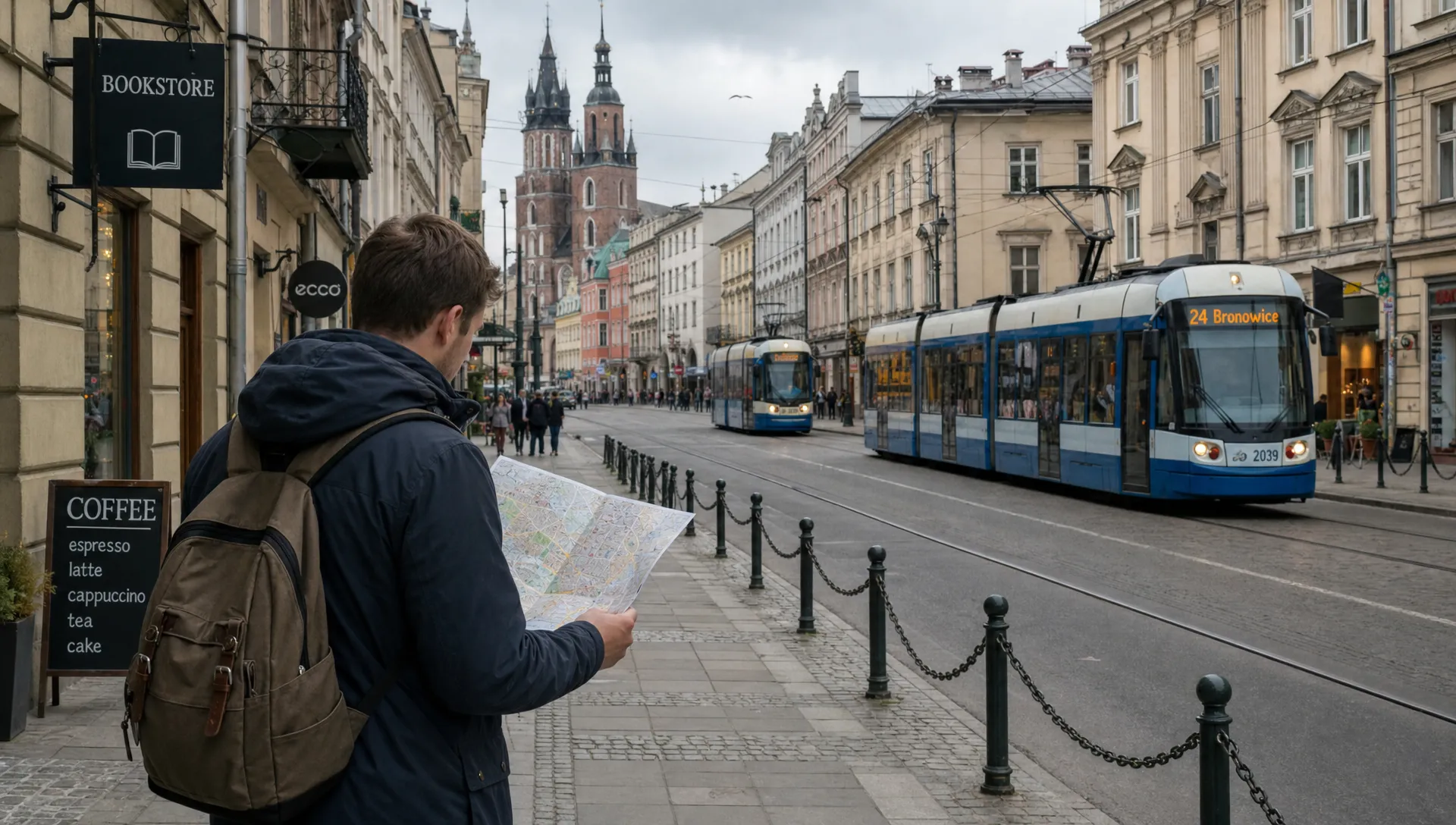
The culture shock of moving to Poland as an American often comes less from dramatic differences and more from hundreds of small daily adjustments. People may be more direct, small talk may feel limited and service interactions may be efficient rather than warm.
This does not mean people are unfriendly. Poles often separate public reserve from private warmth. Friendships can take longer to build, but they may become very loyal once they form. The challenge is getting through the early stage without interpreting every quiet interaction as rejection.
Language matters more than many newcomers expect. In central Warsaw or Kraków, you can get by with English in many situations. At a local clinic, municipal office, post office, repair shop or school meeting, Polish becomes much more important. Learning enough Polish to handle greetings, appointments, shopping and basic admin will reduce stress.
Bureaucracy is another adjustment. You may need appointments, printed documents, certified translations, in-person visits and patience with processes that do not feel customer-centered. Move2Poland has a more candid look at this side of relocation in Why Poland Will Test You, which is worth reading before you decide that frustration means you made the wrong choice.
Healthcare, schools and family practicalities
For families, moving to Poland as an American requires extra planning because healthcare, school choices and documentation affect more than one person. The public healthcare system is funded through the National Health Fund, known as NFZ, but access depends on your insurance status. Many foreigners also use private clinics for faster appointments or English-speaking doctors.
If you are employed locally, ask exactly how health insurance and family coverage will work. If you are self-employed, retired, studying or living on savings, verify what insurance is required for your residence route and what it actually covers. Travel insurance is not a long-term healthcare plan.
Schooling also needs early research. Public schools usually operate in Polish, which can be a positive route for younger children but a serious transition for older ones. International schools exist mainly in larger cities and can be expensive. If your child has special educational needs, do not assume support will look the same as it does in the United States.
Bring medical records, vaccination history, school reports and key family documents. In many official situations, US documents may need an apostille and a sworn Polish translation. It is much easier to prepare documents before leaving the US than to chase county offices from across the Atlantic.
Documents to prepare before you leave the US
The document stage of moving to Poland as an American is not glamorous, but it can determine how smoothly your first months go. Some documents can be difficult, slow or expensive to obtain once you are abroad.
Prepare a folder with the essentials before departure. The exact list depends on your route, but many Americans should consider passport validity, birth certificates, marriage or divorce certificates, degree certificates, transcripts, professional licenses, medical records, vaccination records, employment contracts and proof of funds.
Apostilles are often needed when US public documents must be recognized abroad. Because apostilles are issued by the relevant US authority, not by Poland, do this before you leave whenever possible. For Polish procedures, you may also need translations by a sworn translator recognized in Poland.
Driving is another common blind spot. If you plan to drive shortly after arrival, check the latest rules for US license holders and whether you need an International Driving Permit before you leave the United States. For longer-term residence, you may need to convert to a Polish driving license and meet local requirements.
A realistic first 90 days plan
The first 90 days should be about legal stability, housing and routines rather than trying to solve your entire life immediately. Americans who arrive with a clear plan tend to handle the transition better than those who treat the first month as an extended vacation.
| Timing | Priority | Why it matters | |--------|----------|----------------| | Before arrival | Confirm legal route, insurance, budget and document needs | Prevents avoidable immigration and money problems | | First week | Get a local SIM, temporary housing, transport card and basic orientation | Reduces friction in daily tasks | | First month | Start residence steps if applicable, view rentals and set up banking where possible | Builds a legal and practical base | | First 90 days | Establish healthcare access, routines, social contacts and tax advice | Turns the move from experiment into real life |
Do not underestimate routine. A gym class, language lesson, coworking space, church, hobby group or weekly coffee with the same people can do more for your adjustment than another sightseeing weekend. Poland becomes easier once you stop being a visitor and start building ordinary habits.
Common mistakes Americans make before the move
Many problems are preventable. They usually come from assuming Poland will be simpler than it is or from copying advice meant for EU citizens.
- Assuming the 90/180-day Schengen rule is flexible because you are a US passport holder
- Signing a lease remotely without understanding the neighborhood, building or contract
- Ignoring US tax filing obligations after leaving the United States
- Treating remote work as legally simple because the employer is outside Poland
- Expecting English to solve every government, medical or housing situation
- Choosing a city based only on vacation impressions
- Arriving without apostilled documents or enough savings for delays
The better approach is to run a decision process before you move. Test the city, price the real monthly budget, confirm the legal route and talk to people living a lifestyle similar to the one you want.
Frequently Asked Questions
Can a US citizen move to Poland permanently? A US citizen can seek long-term residence in Poland if they qualify under a legal route such as work, study, family, business or another eligible basis. Permanent residence usually comes later and depends on meeting specific conditions.
Is Poland safe for Americans? Poland is generally considered safe for everyday life, especially compared with many large US cities, but normal precautions still apply. Petty theft, scams, traffic risks and document security matter.
Does Poland have a digital nomad visa for Americans? Poland does not currently offer a simple dedicated digital nomad visa comparable to some other countries. If you plan to work remotely from Poland, get advice on residence, tax and employment rules.
Do I need to speak Polish to live in Poland? You can start with English in major cities, but Polish becomes important for offices, healthcare, repairs, neighbors and deeper integration. Even basic Polish makes daily life less stressful.
Is moving to Poland as an American cheaper than staying in the US? It can be cheaper if you compare it with expensive US metro areas and keep a strong income, but local salaries, taxes, rent, private services and travel costs can reduce the difference.
Want a clearer decision before you commit?
Poland can be a rewarding place to live, but it is not a move to make on vibes alone. The right answer depends on your passport situation, income, family needs, tolerance for bureaucracy and preferred city.
If you want honest, practical help before making the leap, Move2Poland offers relocation guidance, discovery calls, decision support, city advice and on-the-ground orientation for people considering life in Poland. Use that preparation to make a decision you can stand behind, whether you move this year or decide Poland is better as a frequent destination than a permanent home.