
Winter in Poland: What British Expats Should Actually Expect
Polish winter is not an Arctic ordeal, but it can change daily life more than many UK movers expect. This guide explains the cold, daylight, snow, heating, transport, air quality and routines that shape your first winter.
By Move2Poland··Updated 17 September 2026
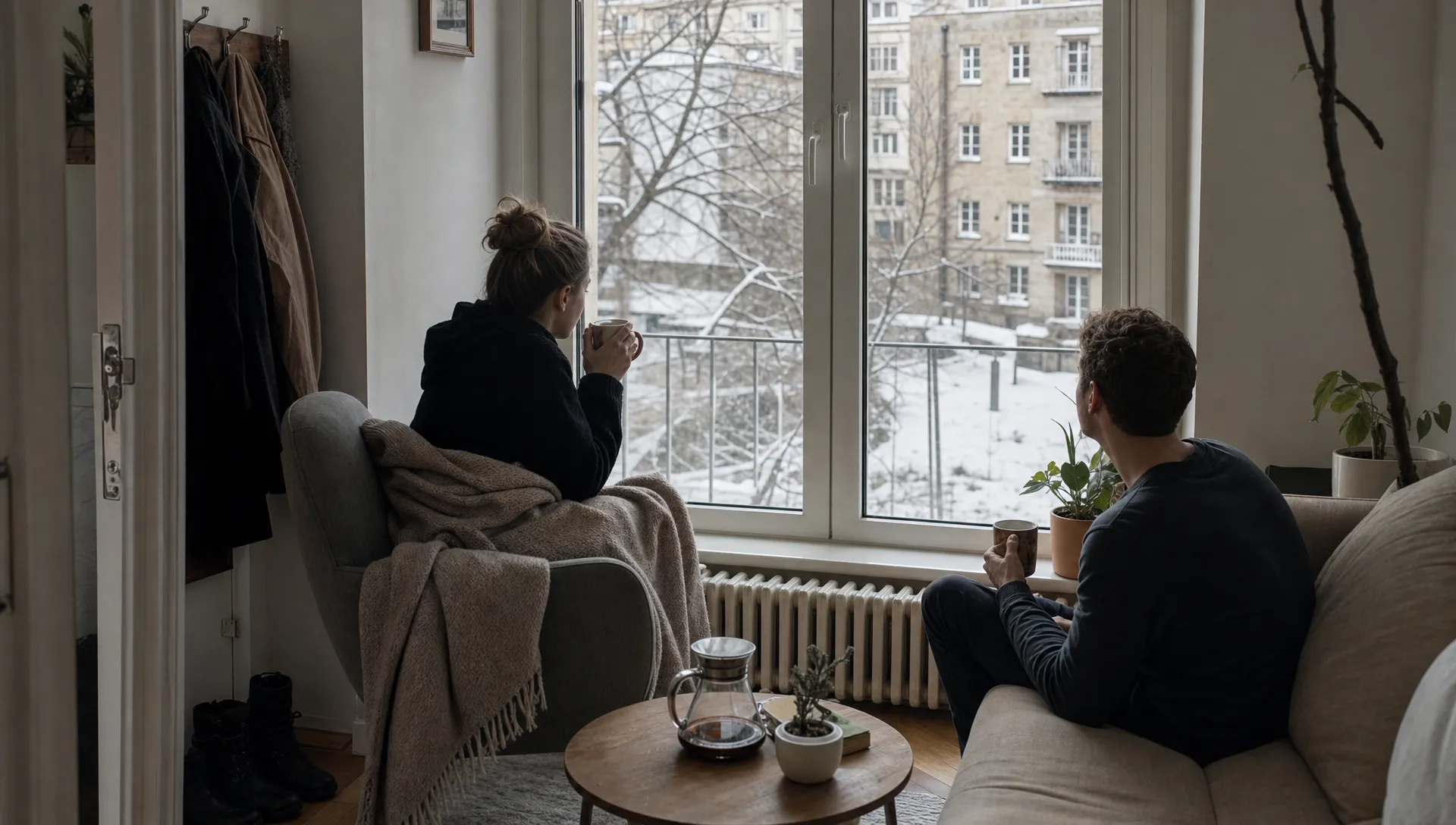
Winter in Poland is not an Arctic survival test, but it is a different season from most British people’s idea of winter. The cold is more consistent, the light fades earlier in daily life, snow and ice affect ordinary routines and indoor spaces are usually much warmer than many UK homes.
For someone considering a Poland relocation, this matters. Winter can shape how you judge your new city, how easy it feels to make friends and whether your first few months feel manageable or oddly heavy. If you arrive in November expecting “basically like Britain, just a bit colder”, you may be caught off guard. If you arrive expecting Siberia, you will probably overprepare and still be surprised by something else: the greyness, dry flats or slippery pavements.
This guide is an expectation-setting look at winter in Poland for British movers, especially those thinking about Warsaw, Wrocław, Kraków and Tricity.
The short version for UK movers
A typical British winter is maritime: damp, windy, changeable and often hovering above freezing. Poland’s winter is more continental, which means colder spells last longer and frost is more normal. That said, climate change has made many Polish city winters less reliably snowy than older stereotypes suggest.
| Factor | Typical UK winter | Typical winter in Polish cities | |--------|-------------------|----------------------------------| | Temperature | Often 3°C to 9°C in many lowland areas | Often around freezing, with colder spells below 0°C | | Snow | Irregular in many cities, disruptive when it lands | More common, but not always constant in big cities | | Daylight | Short, especially in Scotland and northern England | Similar latitude to the UK, but earlier-feeling sunsets in daily routines | | Indoor heating | Varies widely, older homes can be chilly | Flats are often very warm due to central or district heating | | Pavements | Wet leaves, rain and occasional ice | Snow, compacted ice, slush, salt and sand are more routine | | Transport | Snow can cause major disruption quickly | Systems are more used to winter, but delays still happen | | Air quality | Usually better in winter than many Polish regions | Can worsen during heating season, especially inland and in the south |
The main point is not that Poland is dramatically colder every day. It is that winter becomes a more organised part of life. People own proper boots. Buildings are heated for it. Public transport is prepared for it. Cafes, shopping centres, gyms, homes and offices become part of the winter rhythm.
Poland winter weather: colder, but not one long freeze
Poland has a temperate climate with stronger continental influences than the UK. The World Bank Climate Change Knowledge Portal describes Poland’s climate as transitional between oceanic and continental, which is a useful way to understand why winters can swing between damp grey days, crisp frost and short snowy periods.
For practical planning, average conditions matter more than record lows. You may hear stories of minus 20°C. Those days can happen, but they are not the everyday reality for most expats living in major cities. A more realistic expectation is that December to February often sits around freezing, with January usually feeling like the deepest winter month.
City climate summaries, such as those published by Timeanddate for Polish weather locations, show the broad pattern: Polish cities tend to have colder January averages than London, Manchester or Bristol, but they are not uniformly extreme.
| City or region | What winter usually feels like | What British movers should note | |----------------|--------------------------------|---------------------------------| | Warsaw | Cold, urban, often around freezing, with snow and icy periods | Winter in Warsaw can feel sharp because of wind, wide streets and early darkness after work | | Wrocław | One of the milder large cities, often more slush and rain than deep snow | Winter in Wroclaw is usually easier than in eastern Poland, but damp cold and fog still matter | | Kraków | Colder-feeling, with more snow potential and frequent winter inversions | Winter in Krakow can be beautiful, but air quality and valley weather are real considerations | | Tricity | Baltic-influenced, windy, damp and sometimes biting near the sea | The temperature may not look extreme, but wind off the coast changes the feel |
Wrocław is often the easiest winter adjustment among the major southern and central cities because it is relatively mild. Warsaw feels more continental. Kraków can be charming in snow, especially near Christmas, but its basin location can trap cold air and pollution. Tricity, meaning Gdańsk, Gdynia and Sopot, brings the coastal factor: wind, damp air and fewer cosy assumptions about what the temperature on your phone actually means.
Daylight is the part many people underestimate
Poland winter daylight is not wildly different from the UK on paper. Warsaw is only slightly north of London, Wrocław is slightly south of London and Kraków is further south again. Gdańsk is further north, closer in daylight feel to parts of northern England.
The experience can still feel different. Poland is in the Central European Time zone, and many cities sit far to the east within that zone. In mid December, sunset in Warsaw is often around the mid afternoon. If you work standard office hours, you may leave home in the grey and finish work in the dark.
This is where British movers sometimes struggle. It is not just the number of daylight hours. It is the combination of:
- Cloudy periods that make mornings feel dim
- Earlier winter sunsets than many newcomers expect
- A social life that takes more deliberate planning
- Less casual daylight walking after work
- More time spent indoors with artificial light
If you are prone to low mood in winter, plan around this before it becomes a problem. Get outside around lunchtime when possible. Choose a flat that gets decent natural light if you have the option. Put gym classes, language lessons, coworking days or regular meetups into your week rather than waiting to feel motivated in February.
The NHS advises people in the UK to consider a daily vitamin D supplement during autumn and winter because sunlight is limited at that time of year. The same logic is worth discussing with a pharmacist or doctor after moving, especially if you work indoors and rarely see midday light. The NHS vitamin D guidance is a sensible starting point, not a substitute for personal medical advice.
Snow and ice: less romantic when you have errands
Snow in Poland can be lovely. Old town squares look better with it, Christmas markets feel more convincing and children get far more out of winter than they usually do in southern England. The practical side is less postcard-like.
Big city snow often turns into slush, then freezes overnight. Pavements can become uneven and slippery. Kerbs disappear under dirty snow. Crossing smaller roads may mean stepping through brown slush left by traffic. Boots get stained by salt. Apartment stairwells fill with wet footprints.
This is not a reason to panic. It is a reason to buy footwear based on grip, not just style. A pair of waterproof winter boots with a decent sole will do more for your quality of life than an expensive coat worn with trainers. Many British newcomers learn this after their first week of walking like a cautious penguin on compacted ice.
The other difference is that winter conditions affect everyday timings. A five-minute walk to the tram might take eight. School drop-off needs more layers. Dogs need paw care after salt. If you cycle, you may pause for weeks unless you are experienced with ice and have suitable tyres. These small frictions add up, particularly during the first winter when everything else is still new.
Indoor life: warmer homes, drier air and radiator reality
Many British people are surprised by how warm Polish flats are in winter. In apartment blocks, heating is often centralised or provided through district heating. You may not have the same relationship with the thermostat that you had in the UK. In some buildings, radiators come on strongly once heating season begins, and the issue becomes cooling the flat down rather than trying to warm it up.
This can be wonderful if you are used to draughty Victorian terraces or cautious UK energy bills. It can also create new irritations. Indoor air may feel dry. Your throat, skin and eyes may notice it. Wooden floors and furniture may creak more. Some people sleep badly if the bedroom is too warm.
Ventilation matters. Polish winter habits often include short, intense airing of rooms rather than leaving windows cracked open all day. Open the window wide for a few minutes, refresh the air and close it again before the room loses too much heat. A simple humidity gauge can help you understand whether your flat is genuinely dry or just feels different from home.
If you are renting, ask practical questions before signing: how heating is billed, whether the flat is warm in January, whether windows are draughty and whether the building has had insulation work. Winter comfort is partly about the city, but your actual flat can matter more than the city average.
Getting around: public transport copes, but winter still wins sometimes
Polish cities are generally better prepared for winter than many UK towns. Trams, buses and trains do not stop at the first sign of snow. Roads are salted, pavements are cleared in central areas and people expect weather to interfere occasionally.
That does not mean everything runs perfectly. Heavy snow, freezing rain or sudden thaw and refreeze cycles can cause delays. Trams can be affected by ice. Regional trains can slow down. Airports can face knock-on delays from weather across Europe. The difference is that disruption is treated as a winter management issue, not a national surprise.
For everyday city life, public transport is often the easier choice in winter. Driving in Poland adds stress if you are not used to snow, ice, assertive traffic and unfamiliar road signs. Winter tyres are not generally mandatory for ordinary passenger cars in Poland at the time of writing, but they are strongly recommended by most sensible drivers. If you plan mountain trips or cross-border journeys, check the rules for each country because requirements can change once you leave Poland.
Business travellers and remote workers should also think about winter mobility as part of planning, not as an afterthought. If your relocation involves airport runs, viewings, meetings or travel through other European hubs, reliable transport can remove a lot of friction. For example, companies coordinating travel in the Netherlands sometimes use a chauffeur service for business travel when timing, discretion and last-minute changes matter.
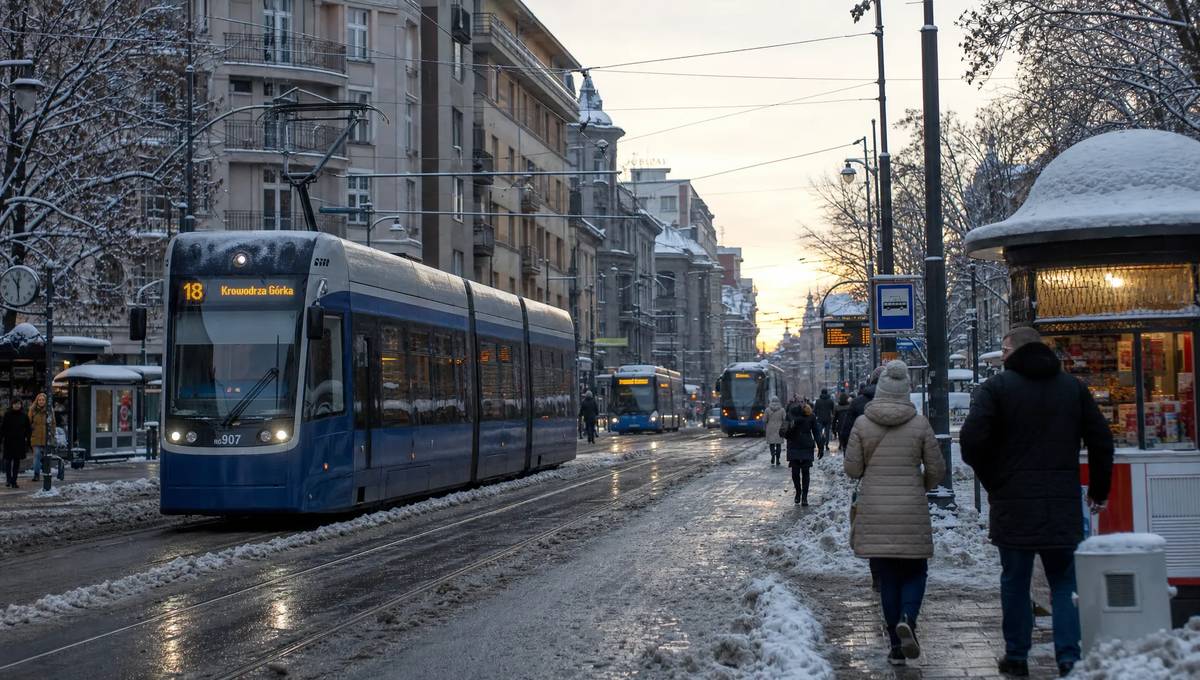
For ordinary life in Warsaw, Wrocław, Kraków or Gdańsk, the more useful habits are simple: leave earlier in bad weather, use public transport apps, keep gloves accessible and avoid assuming that a dry pavement at 2pm will still be safe at 8pm.
How people socialise in winter
Winter social life in Poland is not dead, but it moves indoors and becomes more scheduled. In summer, you may find spontaneous riverside drinks, outdoor terraces and long evening walks. In winter, people meet in cafes, restaurants, bars, homes, cinemas, gyms, climbing centres, saunas, language exchanges and Christmas markets.
This is one of the less obvious adjustments for British expats. In the UK, damp weather is common enough that people often push through it casually. In Poland, when it is properly cold and dark, people may still go out, but they tend to plan it. A Saturday coffee at 11am might be easier than an improvised Wednesday evening pint after everyone has travelled home in the cold.
For newcomers, the risk is isolation. You arrive, deal with bureaucracy, work remotely from a warm flat, then realise you have not had a proper conversation all week. Winter makes that pattern easier to fall into. The antidote is not forced enthusiasm. It is structure.
Join something recurring before you feel lonely: a class, sport, coworking routine, volunteering group, church, gaming group, parent community or language exchange. If you have children, school routines can help, but parents still need their own adult network. If you work remotely, consider using a coworking space occasionally just to separate home from life.
Air quality: the winter issue people should not ignore
Air quality is one of the biggest practical differences between Poland and much of the UK. It varies heavily by city, district, weather pattern and heating season. You can have clear, crisp winter days with excellent air, then several days of stagnant conditions where pollution builds up.
The main winter concern is particulate matter from heating and pollution trapped by temperature inversions. Smaller towns, older housing areas and valleys can be worse than central districts with modern heating. Kraków itself has taken major steps, including restrictions on solid fuel heating in the city, but the wider region can still affect conditions. Warsaw and Wrocław also have bad days. Tricity often benefits from wind, though it is not immune.
Use real-time data rather than guessing by smell. The official GIOŚ air quality map is useful for checking conditions across Poland. Many locals also use air quality apps before running, taking children out for long periods or airing flats on poor days.
This does not mean you should rule Poland out. It means winter air quality belongs in your decision-making, especially if you have asthma, young children or other respiratory concerns. If health planning is part of your move, do not treat it as separate from city choice, housing and daily routine.
What to prepare before your first Polish winter
You do not need specialist expedition kit for city life. You do need to stop treating winter as a few awkward weeks and start treating it as a season with its own systems.
- Buy proper winter footwear: Prioritise grip, waterproofing and comfort on icy pavements over fashion.
- Layer intelligently: Polish interiors can be hot, so a huge coat over light layers is often better than dressing as if you will be outdoors all day.
- Carry hat and gloves early: Do not wait for deep winter. November wind can be enough to make a commute unpleasant.
- Use winter screenwash if driving: Ordinary fluid can freeze, and that becomes dangerous quickly.
- Plan for dry indoor air: Air rooms regularly and consider a humidity gauge if you wake with a dry throat.
- Track daylight habits: Put outdoor time into your calendar during lunch or late morning when possible.
- Check air quality before exercise: Especially in Kraków, parts of Silesia, suburban areas and on still winter evenings.
- Expect salt and slush: Use a doormat, protect leather shoes and accept that winter streets are not pristine.
The best preparation is mental as much as practical. Winter in Poland is easier when you stop comparing every day with Britain and start building routines that fit where you live now.
Why the first winter affects your view of Poland
Many British movers make their first judgement of Poland during the hardest part of the year. That can distort the picture. If you arrive in late autumn, your first months may involve bureaucracy, limited daylight, cold weather, fewer casual social invitations and the emotional comedown after a major move.
This is where people sometimes confuse “Poland is not for me” with “I am tired, under-socialised and experiencing my first continental winter”. Those can overlap, of course. Some people genuinely dislike the climate. Others feel much better by April and wonder why February felt so decisive.
Give yourself a full annual cycle if you can. Polish spring can be energising, summer is socially active and early autumn is often beautiful. Winter is part of the contract, but it is not the whole country.
If you are comparing cities, winter should be one factor among several: work, housing, schools, transport, healthcare, air quality, social access and cost. For example, someone choosing between Wrocław and Kraków may find the climate and air quality differences meaningful, but the better choice still depends on daily life, not weather alone. Move2Poland’s Wrocław vs Cracow guide is useful if those two cities are on your shortlist.
Frequently Asked Questions
Is winter in Poland much colder than the UK? Usually, yes, especially compared with southern and western parts of the UK. The biggest difference is consistency: Poland is more likely to stay around or below freezing for longer periods, rather than bouncing between mild rain and occasional frost.
Does it snow all winter in Polish cities? No. Snow is more common than in many UK cities, but Warsaw, Wrocław, Kraków and Gdańsk do not usually sit under deep snow for the whole winter. Expect episodes of snow, slush, ice and thawing rather than a constant white landscape.
Which Polish city has the easiest winter for British expats? Wrocław is often milder, while Tricity is moderated by the Baltic but can feel windy and damp. Warsaw is colder and more continental. Kraków has charm and mountain access nearby, but winter air quality and inversions deserve attention.
Is Poland winter daylight worse than Britain? It depends where in Britain you are from. Compared with London, many Polish cities are similar in total daylight, but sunsets can feel earlier in daily routines. Compared with Scotland, much of Poland has more winter daylight, except northern areas are still very short.
Do I need a car in winter in Poland? In major cities, usually not. Public transport is often easier than driving in snow and ice, especially for newcomers. If you live outside the centre, have children or plan frequent regional travel, a car may help, but winter driving needs preparation.
Is air quality a serious winter issue in Poland? It can be. Conditions vary by city and day, but winter pollution is worth monitoring, especially if you have respiratory issues or young children. Use official air quality data rather than relying on general impressions.
Still deciding whether Poland fits you?
Winter is only one part of life in Poland, but it is a revealing one. It shows you how you handle darkness, bureaucracy, city routines, social effort and practical discomfort.
If you are still weighing the move, start with the free assessment on Move2Poland. For a broader reality check, read Why Poland Will Test You (And Why It’s Still Worth It) alongside the city guides and first-year planning resources on the site. The goal is not to romanticise Poland or scare you off. It is to help you arrive with your eyes open.