
Moving to Poland From the UK: What You Need to Know in 2026
Poland may be a serious option for UK citizens in 2026, but it is not a simple cheaper-UK swap. This guide compares residency, work, costs, cities, healthcare and the trade-offs British movers often underestimate.
By Move2Poland··Updated 17 September 2026
If your search history is full of 'moving to Poland from UK', you are probably past the daydreaming stage. You may be comparing rent, wondering what Brexit changed or trying to work out whether Poland is genuinely a better fit than another year in Britain.
The short answer is that Poland deserves serious consideration for some UK citizens in 2026, but not for everyone. It can offer a strong quality of life, safer-feeling cities, better public transport than many parts of Britain and a lower cost base in the right circumstances. It can also be bureaucratic, linguistically demanding and financially disappointing if you expect UK earnings to stretch forever without planning.
This is a decision-level overview, not a relocation checklist. It will help you understand what to investigate before you commit, especially if you are a remote worker, employee, founder, family or retiree.
Why British people are considering Poland in 2026
For many British movers, Poland is not an obvious fantasy destination. It is not marketed with the Mediterranean promise of year-round sun or a relaxed island lifestyle. Its appeal is more practical.
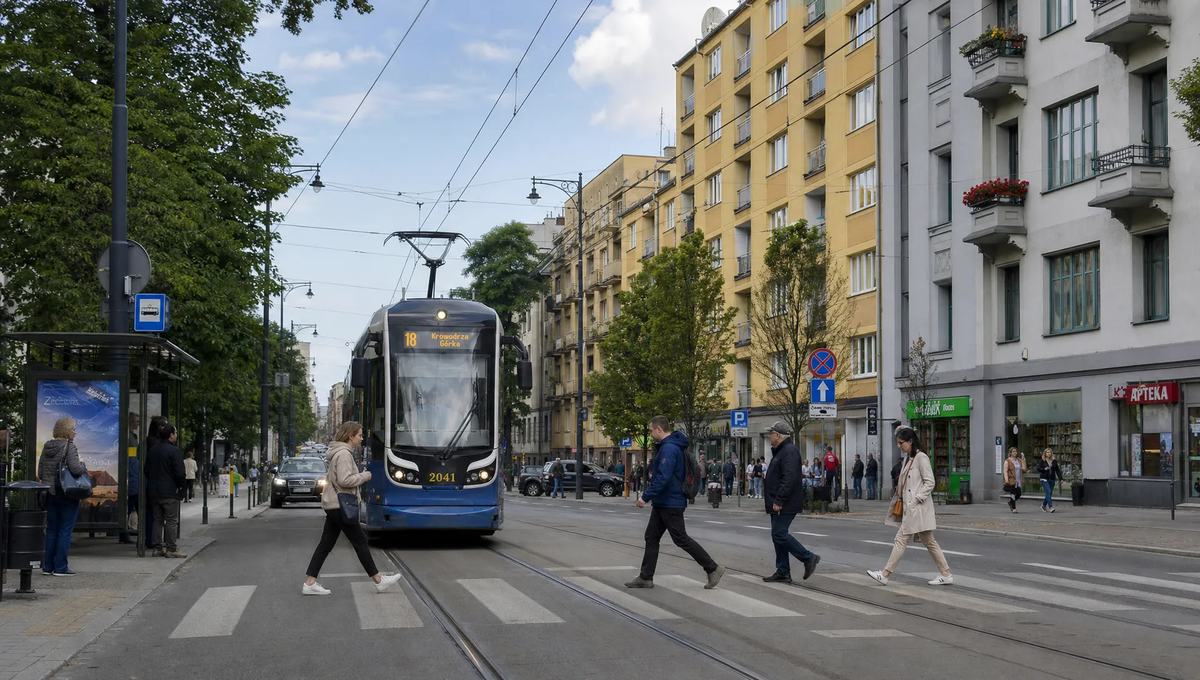
British people often look at Poland because day-to-day life can feel more manageable. Major cities such as Warsaw, Wrocław, Kraków, Gdańsk and Poznań have reliable trams, walkable neighbourhoods, modern shopping centres, expanding food scenes and a growing international workforce. In many areas, public transport is more useful than in a typical British city outside London.
Housing is another factor. Poland is not cheap in the way it was a decade ago, and rents in Warsaw or Kraków can surprise newcomers, but many UK citizens still find that a well-located flat in a Polish city compares favourably with London, Bristol, Edinburgh, Oxford or parts of the South East. Families may also be attracted by city safety, access to parks, private medical appointments, sports facilities and a different pace of life.
There are also personal reasons. Some people have a Polish partner, Polish ancestry or friends already in the country. Others want an EU base after Brexit. Some are simply tired of British housing pressure, long NHS waits, expensive commuting or the feeling that their salary disappears before the month is over.
Those are valid reasons to look. They are not enough to move. Poland rewards people who plan carefully and punishes those who arrive assuming that lower prices will solve every problem.
The post-Brexit reality: this is not freedom of movement
Before Brexit, a British citizen could move to Poland as an EU citizen with relatively light administrative friction. That world has gone for most UK citizens.
In 2026, UK citizens are generally treated as third-country nationals for Polish immigration purposes, unless they fall under specific protections such as Withdrawal Agreement arrangements from earlier residence. Short visits are different from living in Poland. The UK government's Poland entry requirements explain the Schengen short-stay framework, including the 90 days in any 180 days rule for visa-free visits. That is not the same as a right to settle, work locally or build a long-term life.
For longer stays, the correct route depends on your circumstances. Employment, business activity, study, family ties and other personal situations can lead to different residence considerations. The Polish Office for Foreigners is the authoritative source for immigration information, and the GOV.UK Living in Poland guidance is also worth checking from a British perspective.
The practical point is simple. Do not hand in your UK notice, ship your belongings or sign a long rental agreement on the assumption that you can just sort things out after arrival. You need to know what legal basis you have for staying, whether you can work, what evidence you may need and how your status affects healthcare, tax and everyday admin.
For a more focused explanation of the legal shift since Brexit, Move2Poland has a separate guide to post-Brexit visas for UK citizens moving to Poland. Treat the rules as something to clarify early, not an admin detail to clean up later.
Who Poland suits best, and who should be cautious
Poland is not one single proposition. The move feels very different depending on where your income comes from, who is coming with you and how much flexibility you have.
| Mover profile | Why Poland may appeal | What to investigate carefully | |---|---|---| | Remote or international earners | UK, US or international income can go further in Poland, especially outside Warsaw | Tax residence, employer approval, social security, health insurance and currency risk | | Employees seeking Polish jobs | Poland has strong sectors in IT, business services, finance, manufacturing and logistics | Local salaries, Polish language expectations, contract type and career ceiling | | Founders and business owners | Poland can be a useful EU base with access to talent and regional markets | Company structure, compliance, VAT, hiring rules, market fit and local advice | | Families | Safety, transport, parks and schooling options can be attractive | School language, childcare, partner employment, healthcare and support networks | | Retirees | Pension income may stretch further than in parts of the UK | Residence basis, healthcare access, winter, language, exchange rates and isolation risk |
Remote earners often see the clearest upside, provided their tax and employment position is properly planned. Someone on a London salary living in Wrocław will experience Poland differently from someone taking a local administrative job in a smaller city.
People moving for a Polish salary should be more cautious. Some professional sectors pay well by local standards, but many roles still pay far less than equivalent UK positions. Lower rent may not fully compensate if your income drops sharply, especially if you have dependants, debt in sterling or expectations shaped by a British lifestyle.
Working and earning: avoid the simple cost comparison
A common mistake is comparing Polish prices with a current UK salary, then assuming life will automatically be easier. That may be true if you keep strong international income. It may not be true if your income becomes fully Polish.
If you work remotely for a UK employer, you need more than a verbal yes from your manager. A long-term move can affect payroll, tax residence, social security, permanent establishment risk for the employer, benefits and insurance. None of this means remote work is impossible, but it should be agreed formally and checked professionally.
If you are self-employed or run a business, Poland may be attractive but more complex than it first appears. Different forms of business activity can have different tax, accounting and social insurance consequences. UK freelancers used to the relative simplicity of Self Assessment can find Polish administration more formal and less forgiving.
For consumer brand founders, e-commerce operators or export managers, Poland may also be part of a wider EU market entry strategy rather than just a personal relocation choice. In that case, separate the lifestyle decision from the commercial decision. Tools for AI-powered international market expansion planning can help businesses validate where demand, channels and partners actually justify cross-border expansion before a founder builds their personal move around an untested assumption.
If your plan involves keeping UK clients or a UK employer while living in Poland, read around the tax angle early. Move2Poland's article on tax in Poland for UK remote workers explains the issues you need to understand before treating remote work as the easy route.
Cost of living: cheaper than the UK, but not automatically cheap
Poland can still offer better value than much of the UK, especially for public transport, local services, eating out in less touristy areas and some family expenses. The gap is most obvious if you are comparing with London or the South East.
The gap narrows when you look at desirable flats in central districts, international schools, imported goods, private healthcare packages, frequent flights back to the UK and a lifestyle built around restaurants, gyms, taxis and English-speaking services. Warsaw, Kraków and Gdańsk are no longer bargain destinations for people who want a prime neighbourhood and Western European consumption habits.
| Cost area | Where Poland often compares well with the UK | Where newcomers get caught | |---|---|---| | Rent | Good value can still exist outside the most fashionable districts | Big-city rents, deposits and agency fees can feel high | | Transport | Trams, buses and trains are useful and relatively affordable | Car ownership, parking and winter driving can add cost | | Groceries | Local products and markets can be good value | Imported brands and convenience shopping reduce savings | | Healthcare | Private appointments can be faster and more affordable than UK private care | Public entitlement depends on status, insurance and contributions | | Family life | Activities, parks and public transport can support a good routine | International schools and English-language services are expensive | | Travel | Flights to the UK are common from major cities | Peak fares, luggage and frequent visits home add up |
The most useful exercise is not asking whether Poland is cheaper. Ask whether your specific household, income source and city choice work on Polish numbers. For a deeper budget comparison by household type, see Move2Poland's guide to the cost of living in Poland in 2026 for expats.
Choosing a city: do not choose Poland as one place
British movers often talk about Poland as if Warsaw, Wrocław, Kraków and a small town near Lublin are variations of the same experience. They are not.
Warsaw is the strongest choice for corporate careers, higher salaries, embassies, international schools and big-city convenience. It is also the most expensive and can feel more businesslike than charming. If you are comparing it with London, it may feel cleaner, smaller and easier to cross, but it is still Poland's main economic centre.
Kraków offers beauty, universities, international employers and a large foreign community. It can work well for younger professionals and people who want cultural depth. Watch for tourist pressure, winter air quality and rent in popular districts.
Wrocław is often a strong middle ground for British movers. It has a sizeable international scene, good transport, a lively centre and access to western Poland, Czechia and Germany. It is big enough to be interesting but not as intense as Warsaw.
Gdańsk and the wider Tri-City area appeal to people who want the coast, a strong quality of life and good links with northern Europe. Winters feel different near the Baltic, and seasonal tourism can shape neighbourhoods.
Poznań is practical, business-oriented and often underrated. Smaller cities can offer excellent value and calmer living, but they usually demand more Polish, offer fewer international schools and give you less room to hide inside an English-speaking bubble.
Renting: familiar idea, different assumptions
Renting in Poland looks familiar from a UK perspective. You view a flat, agree terms, sign a contract and pay a deposit. The differences appear in the details.
Flats are often advertised with rent separated from administrative fees and utilities, so the headline figure may not be the full monthly cost. Furnished flats are common, but quality varies. Landlords may prefer Polish-speaking tenants or people with stable local income, especially in competitive markets.
British newcomers can also underestimate how quickly good flats move in Warsaw, Wrocław, Kraków and Gdańsk. Turning up for a week and expecting to secure the perfect place, in the perfect district, with a flexible landlord and English paperwork, is optimistic.
The key decision issue is whether you can tolerate temporary accommodation while you learn the city. Many people choose a district from Google Maps, then realise their commute, tram connection, school run or local atmosphere does not suit them. If you are moving with children or pets, build in more caution.
Healthcare: do not assume the NHS model follows you
Poland has public healthcare through the NFZ system and a large private healthcare market. Many British movers are pleasantly surprised by the speed and affordability of private appointments compared with UK private care. That does not mean healthcare is automatic or simple.
Your access depends on your legal status, work situation, insurance and contributions. A UK GHIC or EHIC may help with necessary treatment during temporary stays, but it is not a full substitute for healthcare planning when relocating. This distinction matters especially for retirees, families, pregnant women, people with chronic conditions and anyone dependent on regular prescriptions.
Private healthcare can be useful, particularly in larger cities, but it does not replace every part of the public system. Emergencies, hospital care and specialist pathways can still involve Polish-language administration. If you have complex medical needs, check continuity of care before deciding that Poland solves an NHS frustration.
Language and daily friction
You can live in major Polish cities with limited Polish, especially if you work internationally and use English-speaking services. You will not fully participate without the language.
Polish is difficult for most English speakers. Even motivated learners take time to handle official letters, medical conversations, school communication or landlord disputes confidently. In Warsaw or Wrocław, a waiter, doctor or bank employee may speak English. In a local office, repair visit or school meeting, you may be expected to cope in Polish or bring help.
This is one of the biggest differences from many British assumptions about Europe. Poland is increasingly international, but it is not an English-speaking country with Polish scenery. If your partner is Polish, be careful not to make them your permanent translator for every problem. That can put real strain on relationships.
Family considerations: schools, partners and belonging
For families, Poland can be a genuinely strong option. Many parents value the sense of safety, good public transport, parks, after-school activities and the relative independence older children can have in city life. Compared with many parts of the UK, everyday logistics can feel easier once housing and schooling are settled.
Schooling is the hard part. Younger children may adapt quickly to Polish nurseries or schools, but older children can find the language and curriculum transition much harder. International schools exist in major cities, but they are expensive and places are not unlimited. Bilingual options vary by city.
Do not make the move only around the main earner. A trailing spouse or partner can struggle if their career does not transfer, their Polish is limited or their social life depends entirely on the working partner. The same is true for teenagers leaving GCSE or A-level pathways, grandparents losing regular contact or children with special educational needs whose UK support arrangements may not translate neatly.
Retirees face a different version of the belonging question. Poland may offer lower costs, beautiful cities and good access to culture, but long winters, language barriers and distance from family can matter more over time than a cheaper restaurant bill.
Practical challenges British newcomers underestimate
The problems that derail a move to Poland are rarely dramatic. They are usually cumulative.
Bureaucracy is the first. Polish administration can be formal, document-heavy and inconsistent between offices or officials. A British expectation of solving everything online or with a quick phone call will not always survive contact with local reality.
The second is winter. Britain has grey winters, but Poland can bring colder temperatures, darker routines, snow, ice and in some cities worse air quality. The upside is that homes are usually properly heated and public transport continues to function, but the season affects mood and social life.
The third is salary psychology. If you are earning locally, you may discover that Poland is not cheap enough to offset a large pay cut. If you are earning internationally, you may become dependent on keeping that arrangement.
The fourth is the emotional distance from the UK. Cheap flights make Poland feel close until a family emergency, school issue or homesick Christmas turns travel into pressure. Moving countries is not just a budget decision. It changes your support network.
Finally, there is the frustration of being competent in the UK and suddenly feeling incompetent in Poland. Tasks that were effortless, such as calling a plumber, reading a council letter, dealing with a clinic or understanding a utility bill, can become tiring. This improves with time, but it should be part of the decision.
Frequently Asked Questions
Can UK citizens move to Poland in 2026? Yes, but most UK citizens no longer have automatic freedom of movement rights. You need to understand the difference between a short Schengen visit and a legal basis for longer residence, work and access to services.
Is Poland cheaper than the UK? Often, but not always. Poland can be much better value than London or the South East for some households, especially with international income. Big-city rent, international schooling, imported goods and frequent UK travel can reduce the savings quickly.
Can I work remotely from Poland for a UK employer? Possibly, but it needs proper checking. Long-term remote work can raise tax, payroll, social security, insurance and employer compliance questions. Do not rely only on informal permission from your manager.
Do I need to speak Polish to live in Poland? You can function in major cities with limited Polish, but your life will be narrower and more dependent on others. For offices, healthcare, schools, landlords and local relationships, Polish becomes increasingly important.
Is Poland a good choice for British families? It can be, especially for families who value safety, transport and a more urban European lifestyle. The main questions are schooling, language adaptation, partner employment, healthcare and whether your children can manage the transition.
Is moving to Poland from the UK worth it? It is worth serious consideration if your income, residence route, family situation and tolerance for bureaucracy fit the country. It is not worth it if the plan depends only on Poland being cheaper or on sorting legal and tax questions later.
Make the decision before you make the move
Poland can be a smart move for UK citizens in 2026, but only when the decision is built around your real income, legal position, city fit, healthcare needs and family circumstances.
The Move2Poland Decision Guide is designed for people at this stage: serious enough to investigate properly, not yet ready to gamble their life on scattered forum advice. If Poland still looks plausible after reading this, use the Move2Poland Decision Guide to turn the question from 'Could we move?' into 'Should we move, and under what conditions?'