
Pros and Cons of Living in Poland: What British Expats Should Really Expect
Poland can be safe, practical and rewarding, but it is not an easy win for every British mover. This guide weighs the real trade-offs around cost, work, language, winter, family life and long-term fit.
By Move2Poland··Updated 17 September 2026
The pros and cons of living in Poland look very different depending on whether you arrive with a UK pension, a remote job, a Polish employment contract, school-age children or no dependants at all. That is the first point British movers should understand: Poland is not simply a cheaper version of Britain, and it is not a hardship posting either.
Life in Poland today can feel safer, cleaner and more organised than many people expect. Trams run, parcel lockers work, mobile banking is slick and large cities have a confident, European feel. At the same time, Polish bureaucracy can be stubborn, the language is genuinely difficult, winters can be harsh and local salaries often do not stretch as far as a British income.
This guide is not a cheerleading exercise. It is a practical look at where Poland can improve your quality of life, where it may frustrate you and who is most likely to benefit from the move.
A quick reality check for British expats
For UK citizens, moving to Poland is now a proper international relocation. Since Brexit, British citizens no longer have automatic EU freedom of movement, so residence rules, work rights, tax position and healthcare planning need to be handled carefully. That does not make the move impossible, but it does mean you should not treat Poland as a spontaneous long stay in another part of Europe.
It also means the old stereotype of Poland as universally cheap is out of date. Poland can still offer excellent value, especially compared with London and much of southern England, but major cities such as Warsaw, Kraków, Wrocław and Gdańsk have become more expensive. Rents rose sharply after 2022, private international schooling can be costly and imported goods are not always cheaper than in the UK.
A more useful question is not whether Poland is cheap. It is whether Poland gives you better value for your actual life: housing, safety, family routine, work, healthcare, travel, community and long-term plans.
The main advantages of living in Poland
1. Everyday safety can feel noticeably better
Many British movers say they feel more comfortable walking around Polish cities at night than they did in parts of the UK. This varies by district, of course, but the general impression is not baseless. Poland tends to compare favourably on several serious crime measures in European data, although crime definitions and reporting habits differ between countries. The wider picture in Eurostat crime statistics supports the idea that Poland is not a high-crime outlier in Europe.
The safety difference is often felt in small daily details: children using public transport, people leaving prams outside local shops, clean central squares late in the evening and a lower sense of low-level disorder in many neighbourhoods. It does not mean crime is absent, and petty theft can happen in busy tourist areas, but the baseline feeling can be calmer.
Who it matters to: This matters most to families, women living alone, older movers and anyone coming from a UK area where antisocial behaviour has become part of daily life. It may matter less to someone already living in a safe British town and moving mainly for career reasons.
2. Public transport and urban infrastructure are strong in larger cities
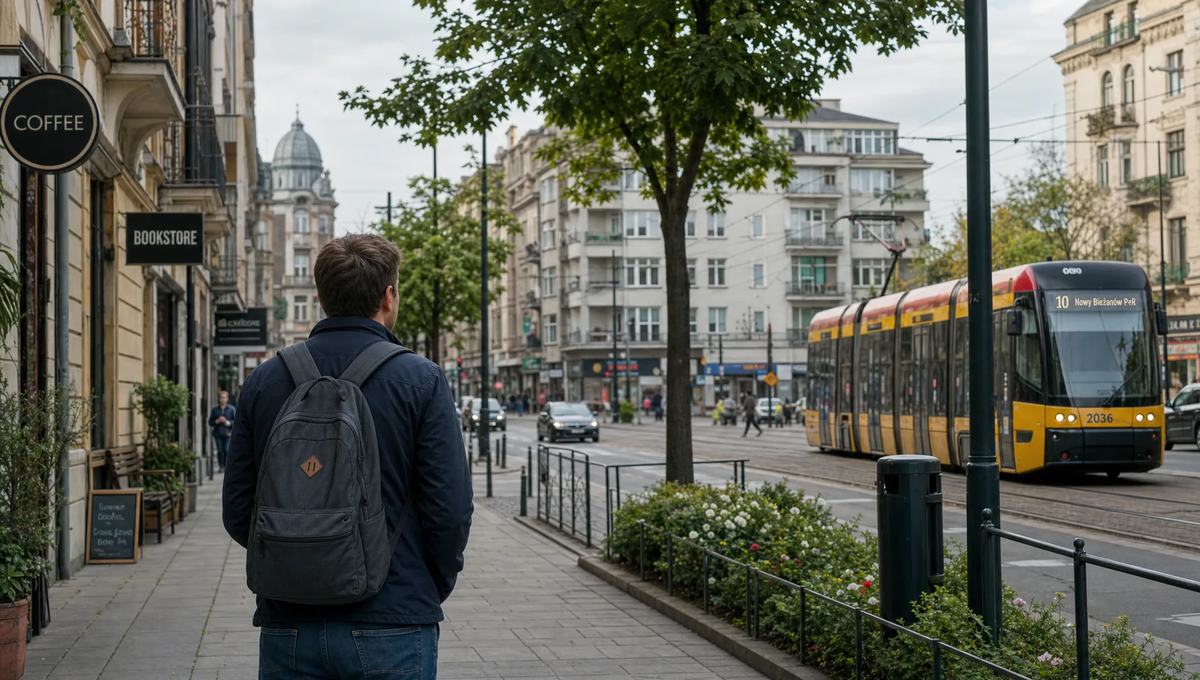
Polish cities often make car-light living realistic. Warsaw has a metro, trams, buses and suburban rail. Wrocław, Kraków, Poznań, Łódź and Gdańsk have extensive tram and bus networks. Ticketing is usually integrated, monthly passes are affordable compared with many UK cities and apps make route planning straightforward.
The infrastructure advantage goes beyond transport. Many urban neighbourhoods have walkable shops, pharmacies, dentists, cafés, parks, gyms, schools and parcel lockers within a short radius. Online administration has improved too, especially once you have the right identification documents, although this sits alongside some very old-fashioned bureaucracy.
Who it matters to: This is a major plus for people who dislike car dependence, remote workers who want a practical city routine and families who want children to gain independence earlier. It matters less if your goal is a rural house, since transport and services become much thinner outside major towns.
3. Housing and living costs can still work in your favour
Poland can offer better housing value than the UK in the right circumstances. A British remote worker, pensioner or contractor with income from outside Poland may find that rent, public transport, childcare, eating out and many services cost less than in the UK. You may be able to afford a central flat, regular private medical appointments or more frequent weekends away than you could in Britain.
But this advantage is conditional. Someone earning a local Polish salary in hospitality, teaching, administration or a junior office role may not experience Poland as cheap at all. The relationship between income and costs is what matters. Housing in Warsaw is in a different league from housing in smaller cities, and international schools or frequent flights to the UK can quickly change the budget.
For detailed budget planning, it is worth comparing real numbers rather than relying on memory from holidays or outdated forum posts. Move2Poland has a separate guide to the cost of living in Poland in 2026 that breaks down common expat budgets in more detail.
Who it matters to: The cost advantage is strongest for people keeping UK or international income, retirees with stable pensions and families moving from expensive UK regions. It is much weaker for people who need to earn entirely within the Polish labour market from day one.
4. Family life can be calm, structured and practical
Poland can be a good environment for family life. Residential districts often have playgrounds, green courtyards, after-school activities and local services within walking distance. City centres tend to be family-friendly, with cafés, museums, parks and seasonal events that welcome children rather than treating them as an inconvenience.
There is also a cultural seriousness around education, family responsibility and routine. That can be comforting for some British parents, especially those looking for stability. However, it can also feel formal or demanding if you are used to a more relaxed British school culture.
Healthcare planning deserves particular attention. Public healthcare exists, but access, language and waiting times vary. Many expats use private clinics for speed and English-language service, especially in larger cities. If you are moving with ongoing health needs, plan the transition before arrival. For women moving in midlife, relocation can coincide with sleep disruption, hormonal changes and stress, so evidence-led resources such as The Menopause Kit can be useful alongside proper medical advice.
Who it matters to: Poland may suit families who value structure, safety and urban convenience. It may be more difficult for children who need English-language schooling, specialist support or a very gentle transition into a new language.
5. Access to nature and Europe is genuinely good
One of Poland’s underrated strengths is variety. From Wrocław, you can reach the Sudetes mountains quickly. Kraków has access to the Tatras, although crowds can be intense. Gdańsk gives you the Baltic coast. Warsaw has forests, riverside paths and strong train connections across the country.
Poland is also well positioned for European travel. You can take trains or drive to Germany, Czechia, Slovakia and Lithuania, and the main airports connect easily to the UK and the rest of Europe. For British movers who want to remain close to family while living inside mainland Europe, this can be a meaningful advantage.
Who it matters to: This matters to outdoorsy people, remote workers who like weekend travel, bicultural couples and families who want children to experience mainland Europe. It matters less if most of your emotional and professional life still needs to happen in the UK every week.
| Area of life | Potential advantage | Main caveat | Best fit | |-------------|---------------------|-------------|----------| | Safety | Lower daily anxiety in many neighbourhoods | Varies by city and district | Families, solo movers, older expats | | Transport | Strong tram, bus and rail networks in big cities | Weaker outside urban areas | Car-light households, students, remote workers | | Costs | Better value than many UK regions | Less dramatic on local salaries | UK earners, pensioners, contractors | | Family life | Structured routines and practical urban services | School language can be a major challenge | Families open to cultural adjustment | | Travel | Easy access to nature and mainland Europe | UK ties can still make travel tiring | Flexible workers, active retirees, mixed-nationality families |
The main disadvantages of living in Poland
1. Bureaucracy can be slow, formal and unforgiving
Polish bureaucracy is not impossible, but it rewards patience, paperwork and persistence. Residence registration, work permits, PESEL numbers, tax registration, car importation, healthcare access and rental contracts can all involve documents that must be translated, stamped, submitted in person or corrected because one detail is missing.
A British newcomer may also be surprised by how much depends on the specific office, city or official handling the case. Two people with similar situations can have different experiences. Some processes are improving digitally, but many still feel procedural rather than customer-focused.
Who it matters to: This is especially important for non-EU family members, self-employed people, business owners, people with complex tax affairs and anyone who becomes anxious when rules are unclear. If you expect every process to be explained in English and resolved quickly, Poland will test you.
2. The Polish language is a real barrier, not a charming inconvenience
In Warsaw, Kraków, Wrocław and Gdańsk, you can live a surprisingly functional life in English. You can order food, rent a flat, see private doctors, work in international companies and meet other foreigners. That can create the impression that Polish is optional.
Long term, it is not. Public offices, school communication, local tradespeople, building management, medical paperwork, tax letters and neighbourly relationships often happen in Polish. Even basic Polish changes how people respond to you and how confident you feel. Fluency takes time, but refusing to engage with the language usually leads to dependence on others.
Who it matters to: This matters to anyone planning to stay more than a year, raise children locally, work outside an English-speaking corporate environment or build Polish friendships. It matters less for short-term remote workers with a strong expat network, but even they will hit language friction eventually.
3. Local salaries are lower in many sectors
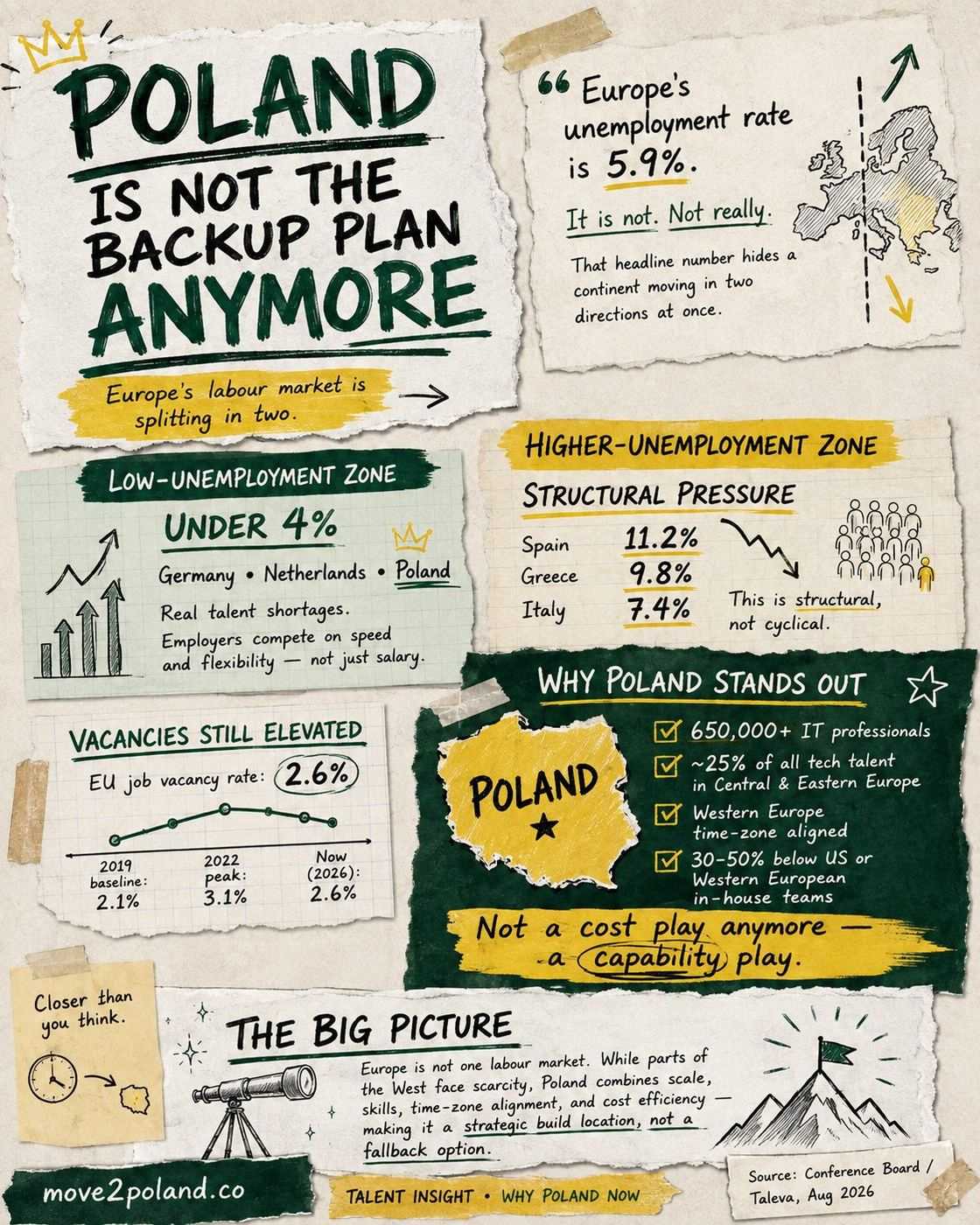
Poland’s economy has grown impressively, but British movers should not assume their UK salary expectations will transfer. OECD wage data continues to show average wages in Poland below UK levels, even though Polish wages have risen over time. The gap is especially relevant once you compare rents in major cities, private healthcare, cars, electronics and travel.
International IT, finance, shared services, engineering and some management roles can pay well by local standards. But many sectors remain much lower paid than their UK equivalents. Teachers, care workers, hospitality workers, junior office staff, artists and tradespeople who rely on Polish clients may need a careful plan before relocating.
Who it matters to: This is the decisive issue for anyone who needs a Polish job immediately. Poland may be attractive if you bring portable income, specialist skills or a strong employer. It may be risky if you arrive hoping that lower costs will compensate for a much lower local salary.
4. Winter, darkness and air quality can affect your wellbeing
Polish winters vary by region, but they are generally colder and more serious than most British winters. Snow and ice are more common, pavements can be slippery and the short days can feel heavy from November to February. Heating is usually good indoors, but that does not remove the psychological effect of weeks of grey weather.
Air quality is another real concern. Poland has improved in many respects, yet winter smog remains a problem in some cities and smaller towns, especially where coal or older heating systems are still used. Kraków has made visible progress, but southern Poland and valley locations can still be affected. People with asthma, heart conditions, young children or sensitivity to poor air should compare cities carefully.
A deeper seasonal guide is available in Move2Poland’s article on winter in Poland for British expats, which looks at weather, daylight, heating and practical preparation.
Who it matters to: Winter and air quality matter most to people prone to seasonal low mood, respiratory issues, parents with small children, outdoor workers and anyone who needs regular daylight to feel well. If you love proper seasons, heated flats, snow and winter cafés, this may be manageable or even enjoyable.
5. Integration can take longer than expected
Poles are often warm, loyal and generous once a relationship forms, but the early stage can feel reserved. British friendliness, small talk and casual pub culture do not always translate directly. Invitations may be less spontaneous, humour can be drier or more direct and friendship circles may already be well established.
This can surprise British movers who expected cultural closeness because Poland is European and increasingly international. The gap is not dramatic, but it is real. Joining expat groups helps at first, yet long-term satisfaction often depends on building at least some Polish social connection.
Who it matters to: This matters to single movers, trailing spouses, parents at home with young children and anyone whose happiness depends on quick social belonging. It matters less if you are moving with a partner, already have Polish family or are comfortable building community slowly.
6. Customer service and work culture can feel blunt
British politeness norms are not universal. In Poland, customer service can be efficient but less performatively friendly. A clerk may give you the answer without softening it. A doctor may be direct. A landlord may expect you to solve practical issues quickly. At work, feedback can be more straightforward and hierarchy may be more visible in some organisations.
This is not always negative. Many British movers appreciate the clarity and lower level of forced cheerfulness. But if you read directness as hostility, daily interactions may feel harsher than they are.
Who it matters to: This matters to people who depend on warm service interactions to feel comfortable, and to employees entering Polish-managed workplaces. It matters less in international companies with mixed teams, where the working culture may be closer to what you already know.
7. Poland is not inexpensive in every category anymore
The phrase cheap Poland causes bad decisions. Groceries can be good value if you shop locally, but imported brands, speciality foods and some household goods can feel surprisingly expensive. Electronics are often similar to UK prices. Cars, fuel, insurance, furniture, international schools, private nurseries and flights can add up quickly.
Rent is the biggest variable. A well-located flat in Warsaw or Kraków can absorb a large share of a local salary. Energy costs, building fees and deposits also matter. If you move from London with remote income, Poland may still feel like a bargain. If you move from northern England to a Polish salary in Kraków, the advantage may be far smaller.
Who it matters to: This matters to anyone moving with a tight budget, one income or children. Poland rewards careful planning, not romantic assumptions.
Poland may suit you if...
Poland may be a strong fit if you want a practical, safe and well-connected European base, especially in a larger city. It may suit you if you can bring stable income, work remotely, transfer within an international company or retire with a pension that gives you breathing room after rent and healthcare planning.
It may also suit you if you like seasons, urban living, public transport, walkable neighbourhoods and a more structured family routine. People who do well often arrive with curiosity rather than entitlement. They learn enough Polish to handle daily life, accept that some systems are slow and choose a city based on fit rather than reputation.
Poland can be particularly appealing if your current UK life feels expensive, disorderly or cramped, and you are willing to trade some convenience for a clearer daily rhythm.
Poland may not suit you if...
Poland may be the wrong move if you need UK-level salaries in a sector that pays much less locally, or if your profession depends on fluent Polish, local licences or a client base you do not yet have. It may also be a poor fit if you are highly sensitive to winter darkness, need frequent NHS-style continuity without private backup or expect every official process to work in English.
It may not suit you if you want instant integration. Poland is friendly in many ways, but it does not always offer the easy social surface that British movers expect. If you are moving to escape problems in the UK without building a realistic plan for income, paperwork, language and belonging, the same stress may simply follow you in a new form.
Families should be especially careful. A move that works beautifully for the adults can be hard on a teenager placed suddenly into the wrong school environment. City choice matters too. Warsaw, Wrocław, Kraków, Gdańsk and Poznań offer very different trade-offs, so do not assume Poland is one uniform experience.
How to think about the decision honestly
The best way to evaluate Poland is to match the country to your actual life, not to an online fantasy. A remote worker in Wrocław, a British-Polish family in Gdańsk, a retiree near Poznań and a young teacher in Warsaw will all experience Poland differently.
Before committing, think in practical categories: legal route, income, housing, healthcare, school needs, language tolerance, winter resilience and social support. If one of those areas is weak, the move may still work, but you need a plan rather than optimism.
For many British expats, Poland is neither paradise nor a mistake. It is a country that gives a lot back when your expectations are realistic. It offers safety, infrastructure, family routines, strong cities and a sense of forward movement. In return, it asks you to deal with bureaucracy, learn at least some Polish, accept a different social style and stop assuming that lower prices solve everything.
Frequently Asked Questions
Is Poland a good place for British expats to live? Poland can be a very good place for British expats who have stable income, realistic expectations and patience with bureaucracy. It is strongest for people who value safety, public transport, European travel and practical urban living.
Is Poland still cheaper than the UK? Often, but not always. Poland is usually cheaper than London and much of southern England for rent, transport and services, but major Polish cities have become more expensive. The biggest difference is whether you earn UK or international income, or rely on a local Polish salary.
Can British citizens move to Poland after Brexit? Yes, but they need to follow residence, work and registration rules. UK citizens should not assume they can simply move indefinitely without paperwork. Planning is especially important for employment, family members, healthcare and tax residence.
Do you need to speak Polish to live in Poland? You can manage in English in major cities, especially in international workplaces, but Polish becomes increasingly important for public offices, schools, healthcare, housing issues and social integration. Even basic Polish makes daily life easier.
Which Polish city is best for British expats? It depends on your priorities. Warsaw is strongest for careers, Wrocław and Kraków are popular with international workers, Gdańsk offers coastal living and Poznań is practical and business-focused. City choice should follow your work, budget, family needs and tolerance for tourism, weather and air quality.
Still weighing up Poland?
If you are still deciding whether Poland is genuinely right for you, take the Move2Poland free assessment. It will help you think through the move more clearly before you commit money, time or emotional energy to a relocation that may or may not fit your life.