
What Daily Life in Poland Is Really Like for Newcomers
Daily life in Poland can feel refreshingly practical and unexpectedly awkward at the same time. This guide shows newcomers what to expect in housing, errands, language, social life, healthcare, transport and seasonal routines before making the move.
By Move2Poland··Updated 17 September 2026
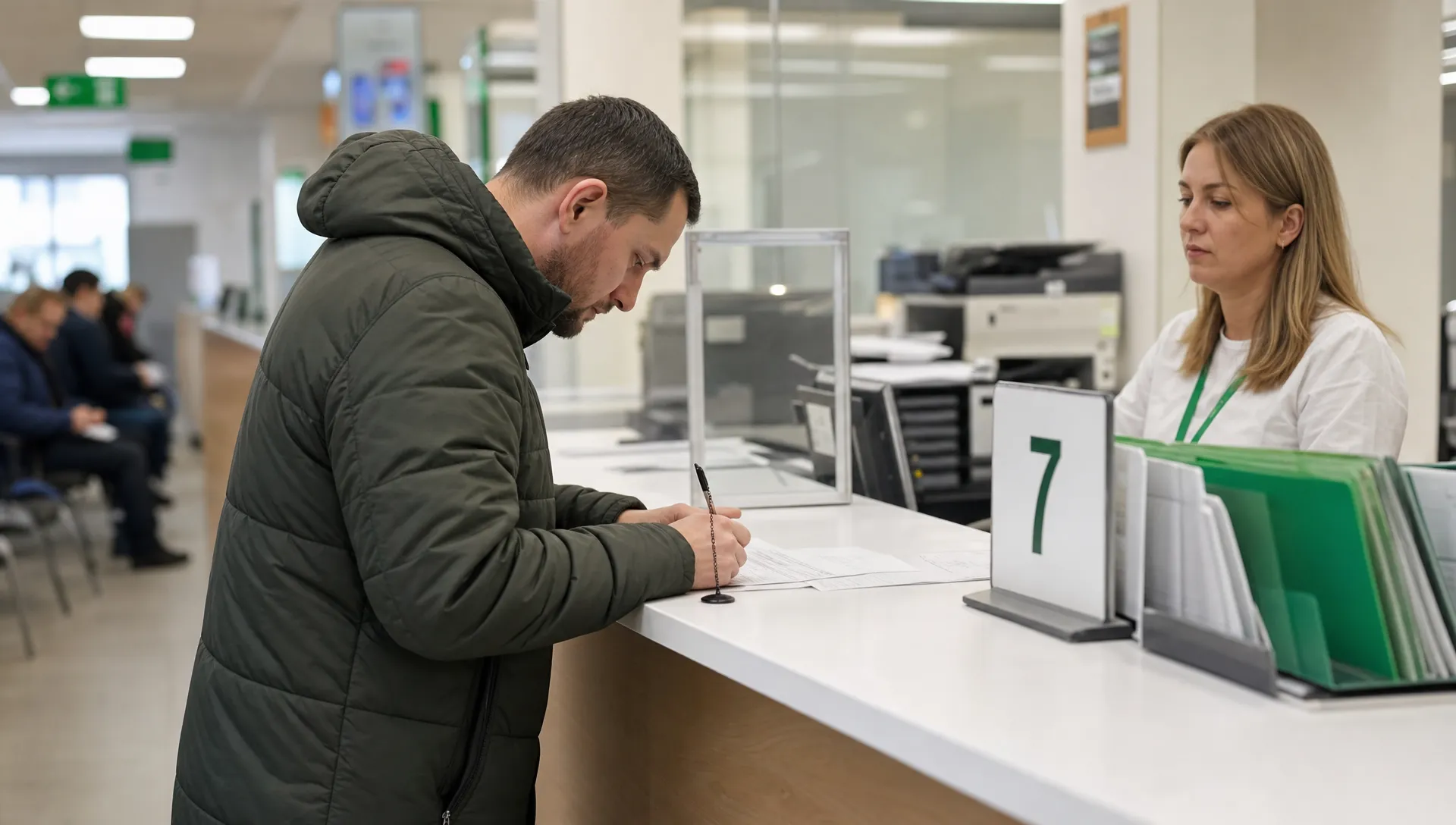
Daily life in Poland is not one single experience. A newcomer in central Warsaw, a family settling into a suburb of Wrocław and a remote worker trying out Kraków for six months will notice different things. Still, most people moving from the UK run into the same broad pattern: Poland feels practical, safe and well organised in many everyday ways, but it can also feel blunt, bureaucratic and harder to read socially until you understand the local rhythm.
The biggest adjustment is often not one dramatic problem. It is the accumulation of small things: how flats are heated, how rent is described, how doctors are booked, how direct people can be, which Sundays shops are closed and why a perfectly normal errand can become difficult if you do not know the Polish word for one document.
That is what daily life in Poland is really like. Not a fantasy expat postcard, not a disaster story, but a place where life can work very well if you arrive with realistic expectations.
Poland feels structured, but not always self-explanatory
Many newcomers are surprised by how much of everyday Poland runs through systems. Public transport has ticket zones and inspectors. Apartment buildings have entry codes, residents’ associations, rubbish rules and heating schedules. Healthcare has public and private routes. Banking apps are widely used. Parcel lockers are everywhere. Offices often expect the right form, in the right format, at the right desk.
Once you know the system, life can feel efficient. Before you know it, it can feel unnecessarily rigid.
This is one of the main differences from the UK. In Britain, you may be used to explaining your situation and hoping someone behind the counter finds a workaround. In Poland, you are more likely to be told what the rule is. That can come across as cold, especially when you are already stressed, but it is often just how administrative life works.
The practical lesson is simple: bring patience for the first few months. Ask for exact requirements in writing where possible. Keep scans of your passport, tenancy agreement, work contract, marriage certificate, birth certificates and insurance documents. If you are moving post-Brexit, do not assume you can sort everything after arrival with the same flexibility you had before 2021.
Housing shapes your daily routine more than you expect
For many newcomers, daily life starts with the flat. In major Polish cities, apartment living is the norm, especially near transport, offices and schools. Detached houses exist, but they are not the default for newcomers who want convenience.
Polish flats are often warm in winter, sometimes very warm, thanks to central or building-level heating. Many are furnished, though the quality and style vary widely. You may find practical layouts, solid doors, enclosed kitchens and plenty of tiled surfaces. You may also find small lifts, limited storage, older stairwells and neighbours who care deeply about quiet hours.
The cost structure can be confusing at first. The advertised rent may not be the full monthly cost. You may also pay _czynsz_ (an administrative building charge) plus utilities such as electricity, gas, water, heating, internet and waste collection. If you are still comparing listings, it is worth understanding the normal process for renting in Poland as a foreigner before you sign anything.
Your neighbourhood matters as much as the flat itself. A beautiful apartment can become frustrating if the commute is awkward, the nearest supermarket is a long walk away or the school run crosses a busy road. A less fashionable district with a tram stop, park, bakery, pharmacy and parcel lockers nearby may give you a much easier life.
Groceries, shopping and money feel modern, with a few quirks
Poland is not the cash-only place some newcomers imagine. Card and phone payments are common in cities, even for small purchases. Once you have a Polish bank account, BLIK payments can make online shopping, transfers and ATM withdrawals very convenient. You will still want some cash for markets, small towns, older kiosks and occasional service providers.
Supermarkets are familiar enough, but the rhythm is different. People often shop more frequently and buy from a mix of supermarkets, bakeries, markets, butchers and small local stores. Seasonal produce is a bigger part of everyday life than many British newcomers expect. Strawberries, mushrooms, pickles, cabbage, apples, fresh bread, dairy and soups are not just nostalgic food culture, they are normal household staples.
Sunday trading restrictions catch people out. Many larger shops are closed on most Sundays, with exceptions on selected trading Sundays. Small owner-run shops, petrol stations and some convenience stores may still operate, but you should not build your weekly food plan around a Sunday supermarket trip unless you have checked the calendar.
Costs are one of the reasons Poland attracts people from the UK, but the old idea of Poland as universally cheap is outdated. In 2026, rent in major cities, private healthcare, international schools and eating out in popular districts can add up quickly. Local groceries, public transport and some services may still feel good value compared with London or the South East of England. For a clearer monthly picture, compare your plans against realistic cost of living in Poland in 2026 figures rather than forum anecdotes from five years ago.
Getting around is often easier than expected
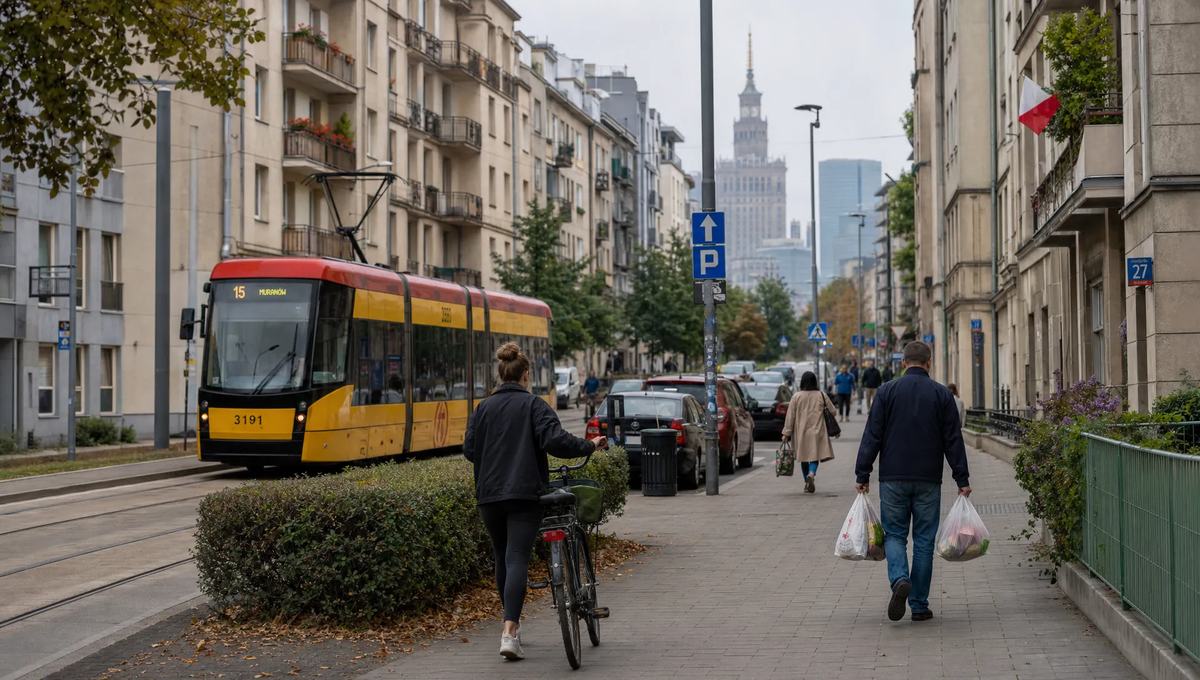
If you live in a major city, you may not need a car. Warsaw, Wrocław, Kraków, Gdańsk, Poznań and Łódź all have useful public transport networks, though the quality and style vary. Trams are a normal part of city life, buses fill the gaps and metro access in Warsaw changes how people think about distance.
Ticketing is usually time-based or zone-based, and newcomers should learn how validation works. Inspectors do check tickets. Not understanding the machine, app or local rule is unlikely to get much sympathy if you are travelling without a valid ticket.
Intercity trains make weekend travel realistic. You can leave one major city in the morning and be in another by lunch, which changes how you experience the country. For families, this opens up easy trips to mountains, lakes, historic towns and Christmas markets without needing to drive everywhere.
Driving is useful if you live outside a city centre, have children in schools across town or plan frequent countryside trips. Parking, winter driving and aggressive rush-hour habits can take adjustment. Many drivers change to winter tyres even though newcomers often underestimate how much difference proper seasonal preparation makes.
Work, deliveries and everyday admin
Daily working life depends heavily on your setup. If you work for a Polish employer, expect more formal paperwork than you may be used to in the UK. Contracts, medical checks, tax forms and HR processes can feel document-heavy. If you work remotely for a UK or international company, your bigger questions may involve tax residence, social security, employment status and whether your employer is comfortable with you being based in Poland.
Freelancers and business owners should take Polish administration seriously from the start. Accounting, VAT, ZUS social security and invoicing rules are not things to improvise after the first payment arrives. Even if your working day feels international, your legal and tax life becomes local once you are resident.
That also applies if your work is hands-on rather than laptop-based. A newcomer offering property photography, surveying or inspection services with drones will need to treat local compliance as part of ordinary working life, not as an afterthought, and tools for drone operations management and flight planning can help keep client details, checklists, risk assessments and flight logs organised.
On the positive side, everyday logistics are often excellent. Parcel lockers are common, courier deliveries are fast and online shopping is well developed. Many people find that errands become easier once they have a Polish phone number, bank account and address that couriers can actually process correctly.
The language barrier is real, even in English-friendly cities
You can live in Poland with English, especially in Warsaw, Kraków, Wrocław, Gdańsk and other larger cities. Many younger Poles speak good English. International workplaces, private clinics, restaurants in central districts and modern apartment agencies are often manageable without Polish.
But daily life is not lived only in international spaces. Plumbers, delivery drivers, school secretaries, public office staff, older neighbours, local clinics and small-town services may operate mostly in Polish. Automated phone menus are in Polish. Official letters are in Polish. Building notices are in Polish. If you have children, pets, a car or a health issue, your exposure to Polish rises quickly.
You do not need fluency on day one. You do need humility and basic functional language. Learn greetings, numbers, dates, addresses, food terms, medical basics and polite phrases. Being able to say that you are still learning Polish often changes the tone of an interaction.
Translation apps help, but they do not replace context. For contracts, immigration letters, school documents, tax matters and medical information, use proper support rather than guessing.
Social life is warm, but not instantly open
Polish social behaviour can be hard for British newcomers to read. In public, people may not smile much at strangers. Small talk with cashiers or neighbours can be minimal. Service can feel efficient rather than cheerful. If you interpret this through a British lens, you may think people are unfriendly.
That is often the wrong conclusion. Social warmth in Poland tends to be more private and relationship-based. Once invited into someone’s circle, you may experience real generosity, loyalty and hospitality. The difference is that the early stage can be slower and less performative than in the UK.
Newcomers who settle well usually build social life through repeated contact. Language classes, children’s activities, sports clubs, volunteering, coworking spaces, church communities, hobby groups and regular cafés all help. The British pub is not the default social infrastructure, so you may need to be more intentional.
Directness is another adjustment. Poles may give opinions plainly. A doctor, teacher, landlord or colleague may say something in a way that sounds harsh to British ears. Sometimes it is rude. Often it is just direct. Over time, many newcomers come to appreciate the clarity, even if they miss the cushioning.
Healthcare is workable, but you need a plan
Healthcare in Poland is one of the areas where newcomers should avoid assumptions. The public system, NFZ, can provide good care, but access and waiting times vary by service, location and urgency. Private healthcare is common among professionals and expats, especially for faster GP visits, specialists, diagnostics and English-speaking appointments.
Pharmacies are easy to find and pharmacists can be very helpful, though many medicines are kept behind the counter. You may not browse in quite the same way you would in a UK pharmacy. For recurring prescriptions, bring records and check how your medication is handled in Poland before you run out.
Families should think ahead about paediatric care, vaccinations, dental care and emergency routes. Remote workers should be clear on whether they are covered through employment, Polish social insurance, private insurance or another arrangement. If you are coming from the UK, the NHS mental model can mislead you. The structure is different, and your status matters.
For a deeper planning view, read the Move2Poland guide to healthcare in Poland for British expats before you rely on assumptions from short trips.
Seasons change how life feels
Poland is seasonal in a way that affects daily life. Summer can be sociable, green and outdoorsy, with long evenings, riverside walks, lakes, terraces and weekend trips. Autumn brings colour, mushrooms, soups, heavier clothes and a shift indoors. Winter is not impossible, but it is darker and colder than many British newcomers are used to, especially if they have only visited Poland in May or September.
The practical differences matter. You need proper winter footwear, not just a coat. You need to understand icy pavements, dry indoor heating, earlier darkness and the emotional dip that can come with short days. You may also discover that Polish homes, offices and public transport are often well heated, sometimes more than you would expect.
Spring feels like a release. Outdoor life returns quickly. Parks fill, cafés spread outside and people seem to reappear. If you arrive in November, give Poland a full year before deciding what you think of the place.
What usually feels easier and harder for newcomers
The table below is not universal, but it reflects patterns many UK movers notice after the first few months.
| Area of daily life | Often easier in Poland | Often harder at first | |---|---|---| | Transport | Good city public transport, walkable districts and useful trains | Ticket rules, inspections, winter conditions and parking | | Housing | Warm flats, furnished rentals and practical apartment living | Rent structures, deposits, building rules and limited storage | | Shopping | Strong online delivery, parcel lockers and easy card payments | Sunday closures, Polish labels and different product ranges | | Healthcare | Fast private appointments in many cities | Understanding NFZ access, insurance status and referrals | | Social life | Loyal friendships once trust develops | Less small talk, slower integration and language barriers | | Bureaucracy | Clear processes once requirements are known | Paperwork, Polish-only forms and limited flexibility |
The people who struggle most are often not those who face the biggest objective problems. They are the ones who expected Poland to be Britain with cheaper rent. The people who adapt fastest usually stay curious, ask better questions and stop treating every difference as an inconvenience.
Practical habits that make daily life smoother
A good move is not just about visas and flights. It is about making ordinary weekdays work. These habits help:
- Choose your first neighbourhood around commute, school, groceries and public transport rather than beauty alone.
- Keep a digital folder with all important documents, including scans and Polish translations where needed.
- Learn basic Polish for appointments, deliveries, shops and emergencies, even if your work life is in English.
- Budget more for the first three months than your long-term monthly plan suggests.
- Ask landlords and agents to explain total monthly housing costs, not just base rent.
- Register with healthcare providers before you need them urgently.
- Build one regular weekly activity outside work so social life does not depend only on chance.
- Give yourself a full seasonal cycle before deciding whether Poland suits you.
None of this removes the friction entirely. It reduces the number of avoidable surprises, which is often what makes the difference between a move that feels exciting and one that feels exhausting.
Frequently Asked Questions
Can I live in Poland with only English? Yes, especially in larger cities and international work environments, but daily life becomes much easier if you learn basic Polish. Public offices, local services, school admin, medical paperwork and older residents may not operate comfortably in English.
Is daily life in Poland cheaper than in the UK? It can be, especially for public transport, some groceries and local services. The gap is smaller in major cities than many newcomers expect, and rent, private healthcare, international schooling and eating out can raise your monthly budget quickly.
How long does it take to feel settled in Poland? Many newcomers need three to six months to understand their neighbourhood, paperwork, shopping habits and social rhythm. Feeling truly settled often takes a full year because winter, summer, holidays and school routines all change the experience.
Are Polish cities safe for newcomers? Many newcomers experience Polish cities as safe and walkable, including at night in central areas. Normal city awareness still applies, especially around nightlife districts, transport hubs, scams, traffic and rental decisions.
What is the hardest part of daily life in Poland? For many UK movers, the hardest part is not one thing but the combination of language barriers, bureaucracy and different social cues. These become easier once you understand how local systems work and have a few trusted people to ask.
Want to know if Poland fits your real life?
A successful move is not only about liking Poland on a holiday. It is about knowing whether your work, family needs, budget, paperwork and personality fit the reality of everyday life here.
If you are still deciding, Move2Poland can help you think clearly before you commit. Start with practical guidance, use the free start-here quiz or book a discovery call if you want a more personal view of whether Poland is the right move for you.