
How Easy Is It for UK Citizens to Move and Live in Poland? A Complete Guide
By Move2Poland·
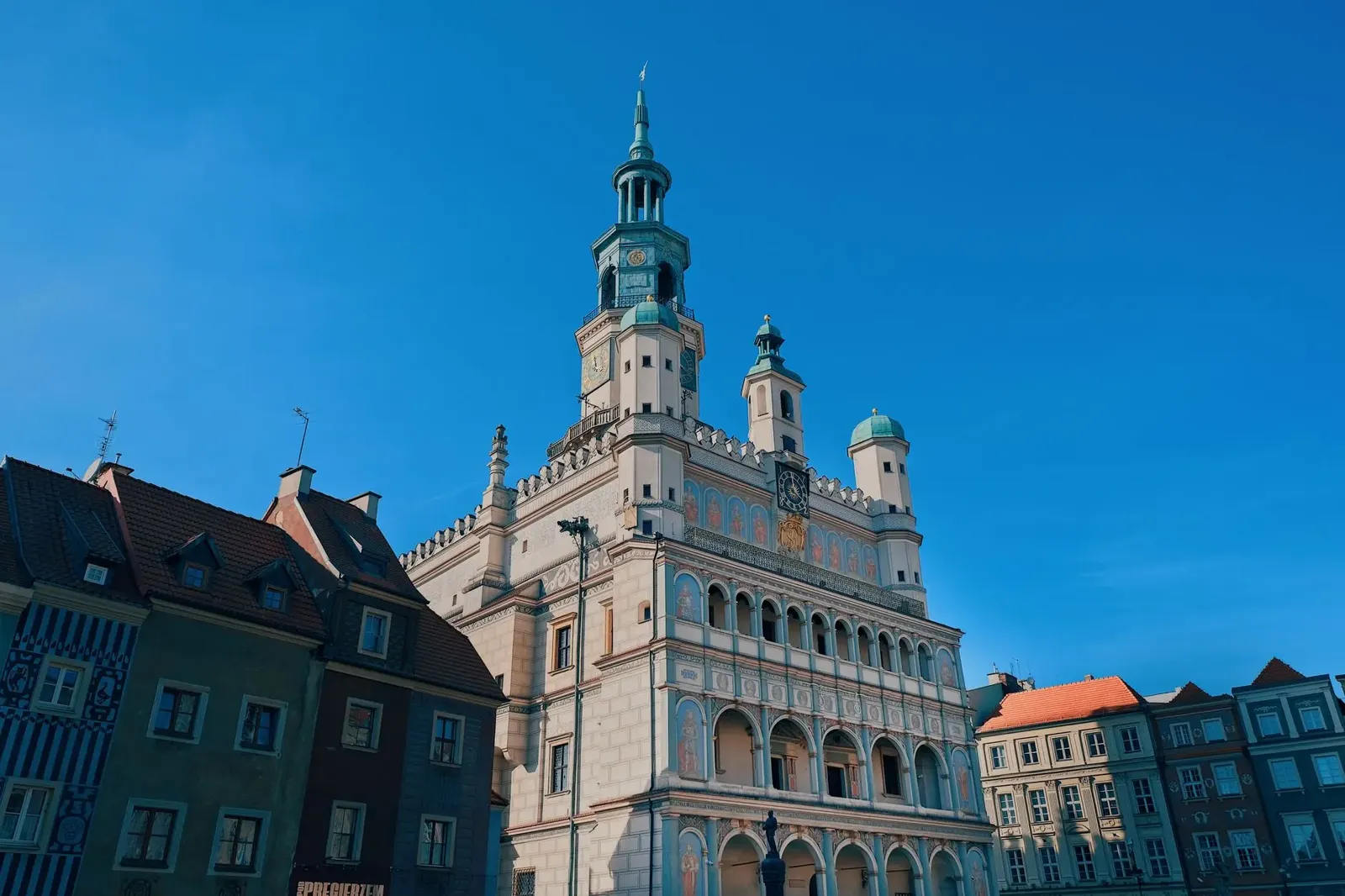
How easy is it for UK citizens to move and live in Poland? With Brexit changing the rules, many Brits are unsure what to expect. This article gives you a clear, step-by-step overview of everything you need to know to make the move smoother.
In this article:
- Key takeaways:
- Can UK Citizens Still Move to Poland After Brexit?
- What Are the Visa and Residence Permit Options for UK Citizens?
- How Easy Is It to Move to Poland from the UK? Key Steps and Challenges
- What Is the Cost of Living in Poland Compared to the UK?
- How to Find Work in Poland as a UK Citizen
- What Is Life Like for UK Expats Living in Poland?
- How Can I Move to Poland from the UK with Family?
- Can a UK Citizen Move to Poland Permanently? Long-Term Residency and Citizenship
- Frequently Asked Questions:
- Conclusion
You'll learn about visa and residence permit options, practical steps for relocating, the cost of living, and what daily life is like for UK expats in Poland. Whether you’re planning to work, study, bring your family, or stay permanently, this guide covers all the essential information to get you started.
Key takeaways:
- UK citizens can move to Poland, but post-Brexit rules require visas or residence permits for stays over 90 days.
- The process is manageable with proper documentation, but language barriers and bureaucracy can be challenging.
- Poland offers a lower cost of living than the UK, with good job opportunities in certain sectors.
- Long-term residency and citizenship are possible for UK citizens meeting specific requirements.
Can UK Citizens Still Move to Poland After Brexit?
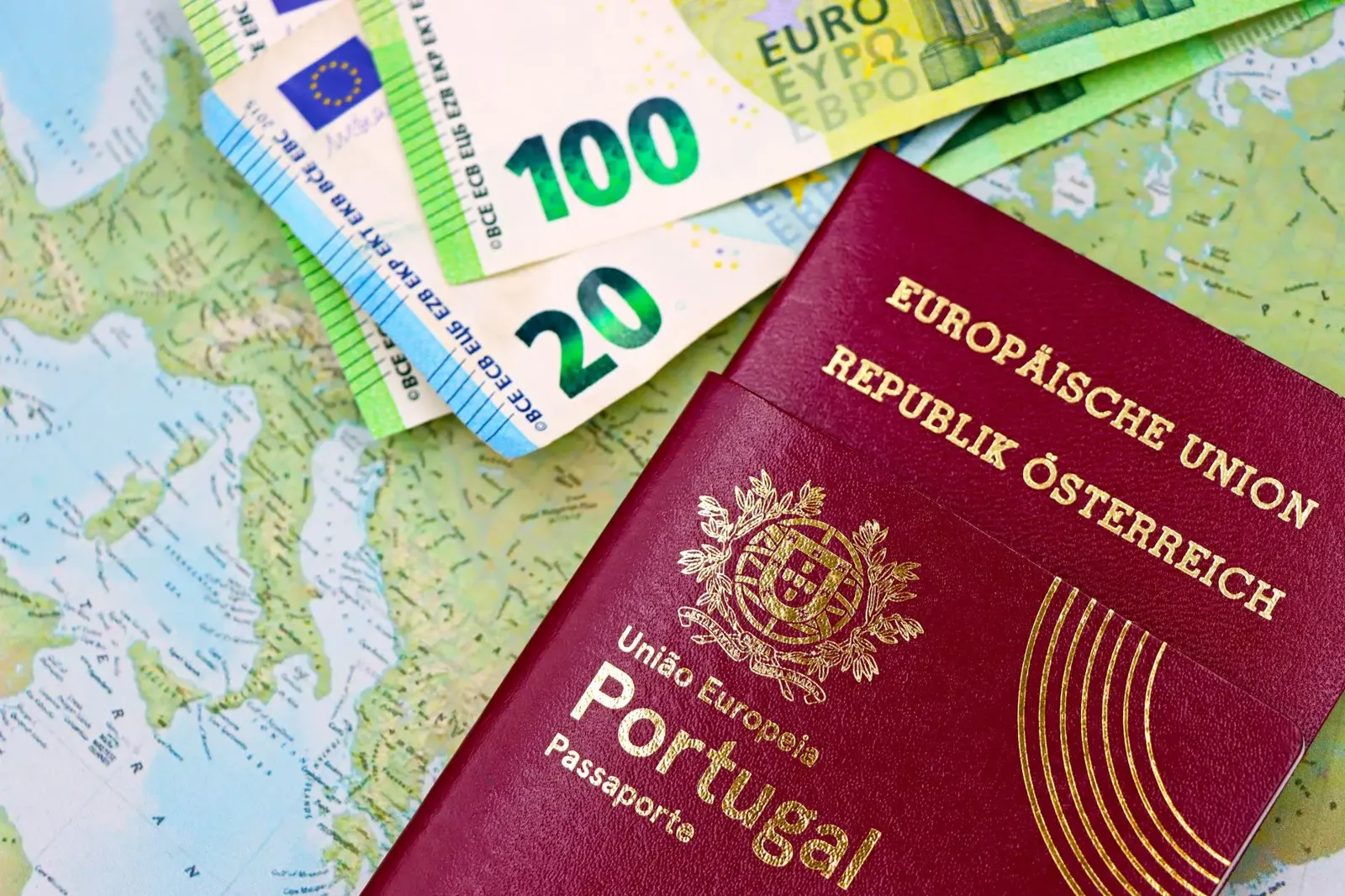
Since Brexit, UK citizens are no longer EU citizens and must follow new rules when moving to Poland. As of 2024, you can still move from the UK to Poland, but the process is more complex than before. Here’s what you need to know about your residency rights, visa requirements, and the key changes after 2021.
- Short stays (up to 90 days): UK citizens can visit Poland visa-free for up to 90 days within any 180-day period for tourism, family visits, or business. However, you cannot work or reside permanently during this period.
- Longer stays (over 90 days): If you want to move to Poland from the UK for work, studies, joining family, or other reasons, you must apply for the appropriate national visa (D-type) or a Polish residence permit before or after arrival, depending on your situation.
- Work rights: UK citizens now need a work permit or must secure a job offer before relocating. Employers usually initiate this process, but it’s your responsibility to ensure it’s in place.
- Residency rules: Post-Brexit, your right to live in Poland isn’t automatic. You must prove your purpose of stay (employment, studies, family) and meet documentation requirements.
| Stay Duration | Visa Needed? | Can You Work? | Key Conditions |
|---|---|---|---|
| Up to 90 days | No (short-term visit) | No | Tourism, business, family visits only |
| Over 90 days | Yes (D-type or residence permit) | Yes (with work permit) | Purpose of stay must be documented |
These changes mean it’s essential to plan ahead if you’re asking “how easy is it for UK citizens to move and live in Poland?” You’ll need to research the visa options, prepare paperwork, and potentially secure employment before arrival. For a detailed breakdown of post-Brexit requirements, see Moving to Poland After Brexit: What Changed for British Citizens?.
What Are the Visa and Residence Permit Options for UK Citizens?
The rules for UK citizens moving to Poland changed significantly after Brexit. Now, UK nationals are treated as third-country nationals and must follow standard immigration procedures. If you’re wondering, “How easy is it for UK citizens to move and live in Poland?”, understanding your visa and residence permit options is the first essential step.
Main Visa and Residence Permit Options for UK Citizens
| Type | Purpose | Initial Validity | Renewable? |
|---|---|---|---|
| Schengen Short-Stay Visa (Type C) | Tourism, business, family visits | Up to 90 days per 180-day period | No |
| National Long-Stay Visa (Type D) | Work, study, family reunification, business | Up to 1 year | Yes |
| Temporary Residence Permit | Work, study, family, other long-term stay | 1–3 years | Yes |
| Permanent Residence Permit | Long-term settlement | Indefinite | Not applicable |
Short visits (up to 90 days) do not require a visa for UK passport holders, but for any stay longer than this, you must obtain either a national visa or a residence permit. The most common reasons for long-term stay include work, studies, joining family, or business activities.
Application Process and Required Documents
- Apply at the Polish consulate in the UK or at the Voivodeship Office (Urząd Wojewódzki) in Poland, depending on the permit.
- Core documents usually include: a valid passport, completed application form, recent photos, proof of accommodation, health insurance, proof of financial means, and—if applicable—work or university offer.
- Additional documents may be required based on your purpose of stay (e.g., marriage certificate for family reunification, employment contract for work).
- Processing times range from a few weeks (for visas) to several months (for temporary residence permits).
- Fees apply, typically between €60–€100 for visas and PLN 340–PLN 640 for residence permits.
For those considering a move from the UK to Poland with a spouse, the rules for residency and citizenship by marriage are especially important—see How Poland Citizenship by Marriage Works for Foreign Spouses for full details on the spouse route, language requirements, and timelines.
If you’re still weighing whether Poland’s lifestyle and legal framework fit your plans, check out A Straight Answer to: Is Poland Right for You? for a practical overview of the main pros and cons.
How Easy Is It to Move to Poland from the UK? Key Steps and Challenges
Wondering how easy is it for UK citizens to move and live in Poland? The process is straightforward but comes with a few hurdles. Here’s a practical step-by-step guide, plus the main challenges you should expect.
- Check Entry and Visa Requirements: Post-Brexit, UK citizens can enter Poland visa-free for up to 90 days in any 180-day period. For stays beyond that, you’ll need to apply for a temporary residence permit in Poland.
- Find Accommodation: Most rental platforms and landlords require proof of income or employment. The property market in major cities like Warsaw or Kraków is competitive, and many listings are in Polish.
- Register Your Address: Within 30 days of moving in, you must register (zameldowanie) at the local city office. This is essential for most bureaucratic steps, including obtaining a PESEL number (Polish ID).
- Apply for a Residence Permit: This involves submitting documents such as proof of address, income, health insurance, and the purpose of your stay. Processing can take several months, so plan ahead.
- Set Up Essentials: Open a Polish bank account, get a local SIM card, and register for health insurance. Some services require the PESEL number.
Main Challenges
- Bureaucracy: Polish paperwork is known for being time-consuming and often only available in Polish. Navigating local offices can be confusing for newcomers.
- Language Barrier: While English is widely spoken in multinational companies and tourist areas, most official documents and everyday services are in Polish. Basic language skills are a big advantage.
- Accommodation Search: Many rental ads and contracts are not available in English, and landlords may prefer Polish tenants. Consider short-term rentals first or try Three days on the ground in a major Polish city to explore neighborhoods and get local insights before signing a long-term lease.
While the steps to move from UK to Poland are clear, patience and preparation are key. For a detailed look at what changed for British citizens after Brexit, check out Moving to Poland After Brexit: What Changed for British Citizens?.
What Is the Cost of Living in Poland Compared to the UK?
One of the main considerations when asking “How easy is it for UK citizens to move and live in Poland?” is the cost of living. For many, Poland offers a noticeably lower cost of living than the UK, but the exact savings depend on your lifestyle and location. Here’s a practical comparison of average expenses in both countries:
| Category | Poland (Average Monthly) | UK (Average Monthly) |
|---|---|---|
| Rent (1-bed city centre) | £400–£600 | £900–£1,500 |
| Utilities (basic for 1-bed flat) | £80–£120 | £120–£200 |
| Groceries | £120–£180 | £200–£300 |
| Public Transport (monthly pass) | £20–£30 | £60–£90 |
| Healthcare (private insurance) | £30–£60 | £40–£100 |
Key Points: Renting is significantly cheaper in Poland, especially outside of Warsaw or Kraków. Utilities and groceries also cost less, so your money stretches further. Eating out and public transport are much more affordable, making it easier to enjoy city life on a budget.
Budgeting Tips for UK Expats in Poland
- Consider living in smaller cities or towns, where rent and daily expenses can be 20–30% lower than in major urban centres.
- Use local markets and discount supermarkets for groceries—prices are usually much lower than in the UK.
- Take advantage of Poland’s efficient and inexpensive public transport system instead of owning a car.
- Private health insurance is affordable; compare plans before arriving for best coverage.
- Track your spending for the first few months to adjust your budget and spot areas to save.
If you’re wondering, “How can I move to Poland from UK and make my money go further?”, you’re not alone. Many expats find that lower costs make the transition easier. For more tailored advice, see Who We Help for guidance based on your specific circumstances.
How to Find Work in Poland as a UK Citizen
Poland’s job market has grown steadily in the last decade, making it an appealing destination for UK citizens seeking new opportunities. While the IT sector remains a top choice—Poland is a regional tech hub—other fields also have a strong demand for foreign talent:
- IT & Technology: Software developers, cybersecurity experts, and IT project managers are highly sought after, especially in Warsaw, Kraków, and Wrocław.
- Business Services: Shared service centers (SSC) and business process outsourcing (BPO) roles often require English-speaking staff for finance, HR, and customer support.
- Engineering & Manufacturing: Mechanical engineers, quality controllers, and logistics professionals are in demand, particularly in automotive and electronics.
- Education: Native English speakers are needed in language schools and international schools, with TEFL certification often preferred.
Work Permit Requirements for UK Citizens
After Brexit, UK nationals are no longer EU citizens and must now follow third-country national rules to work in Poland. In most cases, you will need a job offer before you can apply for a national work visa or temporary residence and work permit.
| Step | Details |
|---|---|
| 1. Secure a Job Offer | Polish employers must issue a written job offer; many are familiar with hiring British nationals post-Brexit. |
| 2. Employer Applies for Work Permit | Your employer submits paperwork to the local Voivodeship Office. Processing can take 1-3 months. |
| 3. Apply for National Visa (D-type) | Once approved, you apply at a Polish consulate in the UK with your work permit decision. |
| 4. Register Residence | After arriving, register your address and apply for a PESEL (ID number). |
Tips for UK Job Seekers:
- Polish CVs are concise and usually include a photo; consider tailoring yours to local standards.
- English-speaking roles are common, but learning basic Polish will improve your prospects.
- Popular job portals: Pracuj.pl, No Fluff Jobs (IT), and LinkedIn.
- Some employers assist with relocation and paperwork, so ask during interviews.
Not sure where to start? Decide if Poland is your next move — in 5 steps.
What Is Life Like for UK Expats Living in Poland?

For UK citizens considering the move from UK to Poland, the day-to-day experience can be both exciting and challenging. Polish culture is distinct from British norms in everything from food to communication style. While many Poles speak good English (especially in larger cities), learning basic Polish will help with integration and daily life. Social customs may feel more formal at first, and building close friendships can take time, but expat communities in cities like Warsaw, Kraków, and Wrocław offer support and social opportunities.
Many UK expats find it useful to join local clubs, international meetups, or online groups to connect with others facing similar experiences. These networks can be especially valuable when navigating bureaucracy or adapting to cultural differences. If you want tailored assistance with integration, The Right Level of Support — For Where You Are Right Now can help you find services suited to your needs, whether you’re just arriving or settling in long-term.
Key Aspects of Daily Life in Poland
- Healthcare: Poland’s public healthcare system is available to legal residents, but waiting times can be long. Many expats opt for private health insurance for faster access and English-speaking doctors.
- Education: International schools are available in major cities, offering British and other curricula. Public schools are free, but lessons are in Polish, which may be challenging for children who don’t speak the language.
- Cost of Living: Overall, daily expenses like groceries, transport, and rent are lower than in the UK, but costs can vary greatly between cities.
- Transport: Public transport is efficient and affordable. Owning a car is practical outside big cities, but not necessary in urban areas.
Cultural Differences and Integration Tips
- Poles value punctuality and direct communication, which can differ from British politeness.
- Holidays and traditions such as Christmas Eve dinner and All Saints’ Day are widely celebrated—participating can help you connect with locals.
- Most paperwork and official matters are handled in Polish, so using a translator or local advisor is wise.
If you’re planning to relocate with a spouse, or considering long-term integration, check out this detailed guide: How Poland Citizenship by Marriage Works for Foreign Spouses.
How Can I Move to Poland from the UK with Family?
Moving to Poland from the UK with your family involves careful planning, as the rules and processes for bringing dependents differ from relocating alone. Here’s what you need to know about family reunification, schooling, healthcare, and support for UK families making the move.
Family Reunification and Dependent Visas
UK citizens can bring immediate family members—spouse, registered partner, and children under 18—when moving to Poland. All non-EU family members must apply for the appropriate visa or residence permit before arriving. The main applicant must prove sufficient income and accommodation for the whole family.
- Spouses and partners: Require documentation (marriage or partnership certificate).
- Children: Birth certificates and parental consent if only one parent is relocating.
- Adult dependents (over 18): Only eligible in cases of disability or dependency, with strict evidence required.
Family members typically apply for a temporary residence permit for family reunification, valid up to 3 years and renewable.
Schooling for Children
Children of UK citizens have the right to attend public schools in Poland. Education is compulsory from age 6/7 to 18. Public schooling is free, but teaching is in Polish. International schools are available in larger cities, with annual fees ranging from €3,000–€15,000. Early application is advised due to limited places.
Healthcare Access for Families
Once registered in Poland and holding a residence permit, you and your family can access the public healthcare system (NFZ). However, you must be employed, self-employed, or voluntarily insured. Private health insurance is recommended, especially during the first months, to cover any gaps.
Practical Support for Relocating Families
- Seek accommodation before arrival—landlords may require proof of local employment or residence permit.
- Register your address at the local municipal office (Urząd Miasta) within 30 days of settling.
- Learn basic Polish; integration courses are available in major cities for newcomers.
- Child benefits (500+ program) may be available to legal residents, subject to eligibility.
If you are expecting a child or moving with a newborn, understanding Polish birthright citizenship rules is crucial. For detailed guidance, see How Poland Birthright Citizenship Works for Newborns.
Can a UK Citizen Move to Poland Permanently? Long-Term Residency and Citizenship
For UK citizens who want to make Poland their long-term home, there are clear legal pathways to both permanent residency and eventual Polish citizenship. While the process is more complex post-Brexit, it remains possible with careful planning and patience.
Permanent Residency for UK Citizens in Poland
After legally residing in Poland for at least 5 continuous years on a relevant residence permit (such as a work, business, or family reunification permit), you may apply for a permanent residence permit (zezwolenie na pobyt stały). For those married to a Polish citizen, the required period is reduced to 3 years of uninterrupted stay, provided you have been married for at least 3 years.
| Route to Permanent Residency | Minimum Required Stay | Key Conditions |
|---|---|---|
| Standard Route | 5 years | Legal stay, stable income, health insurance, proof of accommodation |
| Marriage to Polish Citizen | 3 years | 3 years of marriage, legal stay, shared household |
Permanent residency grants you almost all the rights of Polish citizens except voting and some government posts. You can work, study, and move freely within Poland and travel in the Schengen Area for short stays.
Polish Citizenship for UK Citizens
Once you hold permanent residency, you may become eligible for citizenship by naturalization. The typical timeline is:
- 3 years of permanent residence (if married to a Polish citizen)
- 10 years of legal residence in Poland for most other cases
You must also demonstrate proficiency in Polish (B1 level), have stable income, no criminal record, and show integration into Polish society.
For those whose spouse is Polish, the process is faster, but citizenship by marriage is not automatic. You must meet residence and language requirements, and the application process can take several months to over a year.
Benefits of Permanent Residency and Citizenship
- Security of stay—no need for further visa renewals
- Unrestricted access to the Polish labor market and public services
- Freedom to start a business or study long-term
- Citizenship grants the right to a Polish passport and EU-wide mobility
While the process to move from UK to Poland permanently requires time and documentation, it is achievable for UK citizens committed to building a life in Poland.
Frequently Asked Questions:
Do UK citizens need a visa to live in Poland?
UK citizens do not need a visa for short visits up to 90 days within a 180-day period. However, to live, work, or stay longer than 90 days, you must apply for a temporary or permanent residence permit through the Polish authorities after arrival.
Is it hard for UK citizens to find jobs in Poland?
Finding a job in Poland can be challenging without knowledge of Polish, but English-speaking roles are available, especially in larger cities and international companies. Qualifications, relevant skills, and EU-recognized credentials improve your chances of employment.
Can UK pensioners retire in Poland?
UK pensioners can retire in Poland, but must apply for a residence permit. Proof of sufficient income, health insurance, and accommodation is required. Poland offers a lower cost of living, making it a popular choice for retirees seeking comfortable European retirement.
What documents do I need to move from the UK to Poland?
You will need a valid passport, proof of accommodation, evidence of financial means, health insurance, and possibly a work contract or proof of pension. For stays over 90 days, you also need to apply for a residence permit in Poland.
How long can a UK citizen stay in Poland without a visa?
UK citizens can stay in Poland for up to 90 days within any 180-day period without a visa. For longer stays, such as working, studying, or joining family, you must apply for the appropriate residence permit from the Polish authorities.
Is healthcare free for UK citizens in Poland?
Healthcare is not automatically free for UK citizens in Poland. Access to public healthcare requires registration and contributions to the Polish National Health Fund. Private health insurance or paying out-of-pocket is necessary until you become eligible for public coverage.
Conclusion
Moving from the UK to Poland is certainly possible for UK citizens, even after Brexit, but it does require careful planning and understanding of the new rules and requirements. With the right preparation—researching visa options, understanding the cost of living, and exploring job opportunities—you can make the transition smoother and more successful.
If you’re seriously considering relocating, your next step should be to check the latest Polish immigration requirements and start gathering the necessary documents. Reaching out to official sources or seeking advice from relocation experts can help ensure a smooth move and a positive new chapter in Poland.