
Is Poland a Good Place to Live? An Honest Guide for Brits
Poland can be an excellent place to live, but not for every Brit. This guide weighs safety, costs, work, family life, healthcare, language and location so you can judge whether daily life would genuinely suit you.
By Move2Poland··Updated 17 September 2026
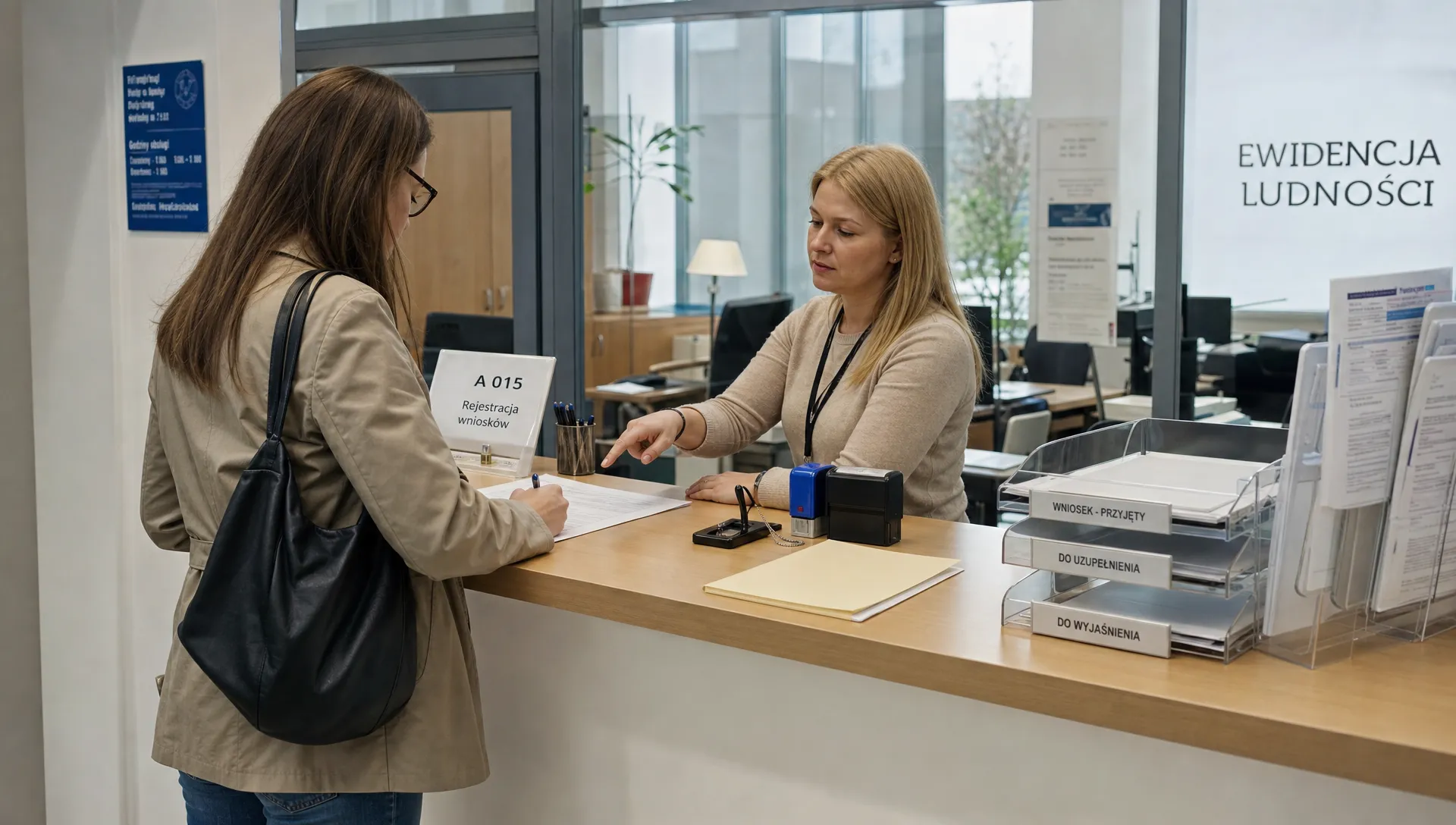
Poland can offer an excellent quality of life for the right British person, but it is not automatically better than the UK. Whether it feels like an upgrade depends heavily on your income source, family situation, career, preferred lifestyle, tolerance for language friction and the city or region you choose.
For some Brits, Poland means safer streets, better public transport, lower day-to-day costs, more family-friendly cities and a calmer pace than they experienced in the UK. For others, the lower local salaries, Polish bureaucracy, winter air pollution, language barrier or distance from family make life harder than expected.
The honest answer is this: Poland is a good place to live if its strengths match the life you are trying to build. It is less attractive if you expect UK systems, UK salaries and English-language convenience in a cheaper setting.
This guide focuses on living in Poland, not visiting for a long weekend. It looks at what actually affects daily quality of life for British people considering a move in 2026.
The real question is not whether Poland is “good”
A country can be objectively safe, affordable and well connected, yet still be wrong for you. A retiree with a secure UK pension will experience Poland differently from a single person taking a local entry-level salary. A British-Polish family with relatives nearby will settle differently from a Brit arriving alone with no Polish language and no local network.
Much advice about Poland for expats flattens these differences. It often treats Warsaw, a village in Podkarpackie, Kraków, Wrocław and the Tricity as if they are the same place. They are not.
A more useful way to think about Poland is to separate national factors from personal fit. Safety, infrastructure and public transport are broad strengths. Language, income, schooling and bureaucracy are where personal circumstances start to matter much more.
| Factor | Where Poland often feels strong | Where Brits need caution | |--------|--------------------------------|--------------------------| | Safety | Low everyday fear in many neighbourhoods, especially compared with larger UK cities | Driving behaviour, late-night drinking areas and winter pavements still require common sense | | Housing and costs | Better value outside the most expensive districts of Warsaw, Kraków and Wrocław | Rents have risen sharply, deposits and contracts can be confusing for foreigners | | Income | Strong if you earn remotely, internationally or in a high-demand field | Local wages can feel low if you have UK-level debts or dependants | | Healthcare | Useful mix of public and private options | Public waiting times, language and entitlement rules need planning | | Family life | Safe parks, public transport, family routines and child-friendly urban design | School language and curriculum choices can be a major decision | | Social integration | Poles can be loyal, direct and dependable once relationships form | Integration is slower without Polish or family connections | | Weather and air | Clear seasons, warm summers, proper winter atmosphere | Short winter days and smog in some cities are not minor details |
Safety: one of Poland’s clearest everyday advantages
Safety is one of the first things many British movers notice. In much of urban Poland, people are comfortable using public transport late, walking through residential areas at night and letting older children travel independently earlier than they might in parts of the UK.
The OECD Better Life Index gives Poland a relatively strong profile for personal security. In real life, this does not mean crime is absent. It means many residents experience less of the low-level disorder that affects quality of life: street harassment, aggressive behaviour on public transport, visible antisocial behaviour around town centres or a constant feeling of needing to be alert.
For British people used to London, Birmingham, Manchester or other large UK cities, that difference can be meaningful. Parents often mention feeling more relaxed in parks and on trams. Single women frequently report that Polish city centres feel easier to navigate at night than expected, although experiences vary by area.
There are caveats. Poland has road safety issues compared with the safest European countries, and winter brings ice, poor visibility and more hazardous walking conditions. Like anywhere, nightlife districts can be unpleasant late at night. Safety is a strength, not a guarantee.
Housing and cost of living: cheaper than the UK, but no longer “cheap”
Poland is still generally cheaper than the UK for many everyday expenses, especially outside Warsaw’s most expensive districts. Groceries, public transport, eating out, childcare, local services and many routine costs can feel good value if your income is stable.
Eurostat’s comparative price level data has consistently placed Poland below the EU average for many consumer goods and services. For a British mover, that tends to show up in practical ways: a tram pass that costs less than a UK commuter ticket, restaurant bills that are less painful than in London or private medical appointments that may be within reach.
But “cheaper” needs context. Poland’s inflation shock in 2022 and 2023 changed household budgets. Rents in Warsaw, Kraków, Wrocław, Gdańsk and other popular cities rose significantly, partly due to strong domestic demand, foreign arrivals and limited supply in desirable areas. Energy costs, service charges and building fees can also surprise newcomers.
Housing quality is mixed. New flats can be modern, warm and efficient, but smaller than British houses. Older blocks may be well located and solidly built, yet have dated stairwells, limited parking or less storage than a UK family expects. Detached houses exist, but the suburban lifestyle usually means more driving and fewer English-language conveniences.
If housing is central to your decision, city choice matters more than national averages. Warsaw offers the strongest job market but the highest costs. Wrocław, Kraków, Poznań and the Tricity each have different trade-offs. Smaller cities can offer much better value, but with fewer international schools, fewer English-speaking services and a smaller foreign community. For a deeper comparison, Move2Poland’s guide to the best places to live in Poland for British expats is a useful next read.
Income and purchasing power: Poland is excellent if your income fits
This is the factor that changes the answer most dramatically.
If you earn a UK, US or international salary while living in Poland, quality of life can be very strong. Remote workers, consultants, business owners and people with portable income often find that Poland gives them more space in the budget, better urban convenience and a higher standard of daily living than they had in the UK.
If you earn a Polish salary, the picture depends on sector and seniority. IT, engineering, finance, business services, certain management roles and international companies can pay well by local standards. Entry-level work, local administration, hospitality, retail and many public sector roles may feel difficult if you are used to UK pay levels.
Purchasing power is not just salary minus rent. It includes tax, social security, pension obligations, healthcare access, childcare, commuting, exchange rates and whether you still have UK costs. A British person with UK mortgage payments, student loans or child maintenance may not feel the same benefit as someone who arrives debt-free with savings.
Tax also deserves serious attention. Spending enough time in Poland may make you Polish tax resident, even if your clients or employer are abroad. Some workers use B2B contracts in Poland, especially in technology, but that has legal, tax and social security implications. Do not treat this as a casual admin detail.
Healthcare: workable, but plan before you need it
Healthcare in Poland is neither an NHS copy nor an American-style private-only system. Most residents rely on a combination of public healthcare through NFZ and private care for faster access to specialists, English-speaking doctors or convenience.
For Brits, the first practical point is entitlement. A GHIC or EHIC is for temporary stays, not for moving to Poland as your main home. If you work in Poland, register a business or qualify through another route, your public healthcare position will depend on your legal and employment status.
The public system can be good for urgent care, hospital treatment and certain specialist pathways, but waiting times are a real issue. Private healthcare is common among professionals and families who want quicker appointments. It is often more affordable than private care in the UK, but it is still an extra cost and does not replace every public service.
Language matters here. In major cities, finding English-speaking private doctors is usually possible. In smaller towns or public facilities, Polish becomes much more important. If healthcare is central to your move, especially because of a chronic condition, pregnancy, disability or children’s needs, read the Move2Poland guide to healthcare in Poland for British expats before making assumptions.
Infrastructure, cleanliness and public transport: stronger than many Brits expect
Poland’s infrastructure has improved significantly over the last two decades. Major roads, airports, rail connections, tram networks and city buses are generally reliable in the larger cities. Public transport is one of the strongest quality-of-life advantages for people who choose the right neighbourhood.
Warsaw has a metro, extensive trams and buses. Wrocław, Kraków, Poznań, Łódź and Gdańsk rely heavily on tram and bus systems. Many people can live well without a car in central or inner districts, which is not always true in comparable UK cities.
Polish cities also tend to be cleaner and better maintained than some British newcomers expect. Public squares, parks, pavements and residential areas are often looked after to a decent standard, although this varies by district. Waste sorting rules, building management fees and snow clearing responsibilities may feel more formal than in the UK.
Digital infrastructure is also a practical strength. Fast home internet, contactless payments, parcel lockers and banking apps are normal parts of daily life. Bureaucracy is not always easy, but the everyday consumer infrastructure is often efficient.
Family life and education: often strong, but schooling is the big question
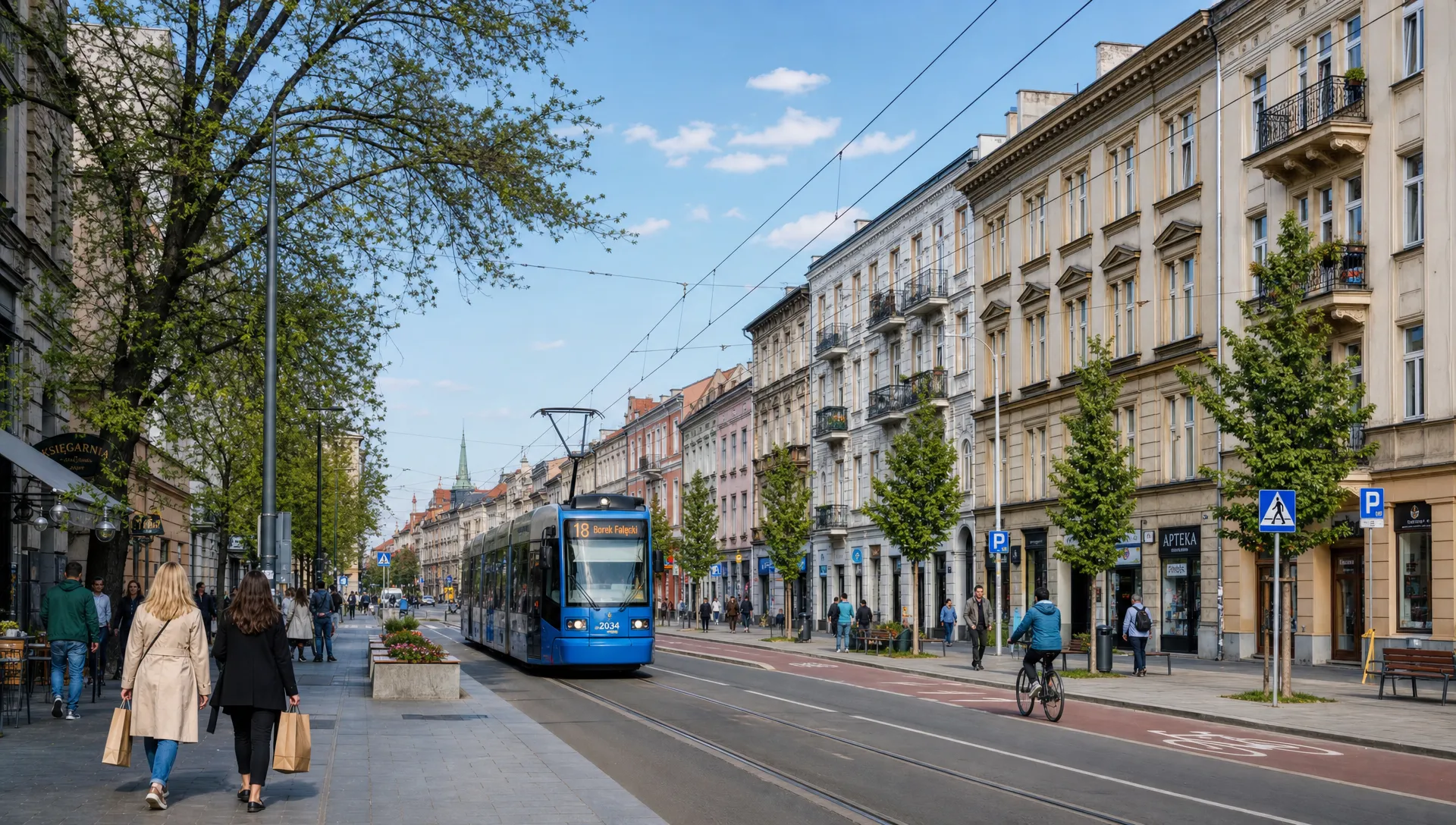
Poland can be a very good environment for families. The combination of safety, public transport, playgrounds, parks, extracurricular activities and walkable districts can make daily routines feel manageable. Many British parents appreciate that children are visible in public life: on trams, in courtyards, at local sports clubs and in parks after school.
There is also a stronger sense of family routine in many communities. Sunday trading restrictions mean many shops are closed on most Sundays, which can be inconvenient, but it also changes the rhythm of the weekend. Some families like that. Others find it restrictive.
Education is where the decision becomes more personal. Polish public schools are free and can support integration, but they operate in Polish and may feel more formal or academically demanding than some UK parents expect. Private Polish schools, bilingual schools and international schools exist, but availability and cost vary heavily by city.
For younger children, immersion in Polish may be manageable, especially if one parent is Polish or the family intends to stay long term. For teenagers preparing for GCSEs, A levels, IB or university entrance, disruption can be much more serious. A move that is good for the parents may not automatically be good for a child at a sensitive educational stage.
Bureaucracy and legal status: manageable, but not optional
Since Brexit, British citizens cannot treat Poland as an open-ended extension of the UK. Short visits are one thing. Living, working, registering a business, accessing healthcare, renting long term and becoming tax resident are another.
In 2026, UK nationals need to be clear about Schengen stay limits, residence routes, work rights, registration duties and tax position. The practical details depend on whether you are employed, self-employed, joining family, studying, retiring or moving as the spouse of a Polish or EU citizen. Move2Poland covers the broader legal and planning picture in its guide to moving to Poland from the UK in 2026.
Polish bureaucracy can be frustrating. Offices may require original documents, certified translations, appointments, stamps, signatures and patience. Processes can vary between cities and even between officials. The system is not impossible, but it is not designed around British expectations of customer service.
The people who cope best tend to prepare documents carefully, keep copies of everything, accept that some processes take longer than advertised and get help when the stakes are high. The people who struggle most are often those who assume everything can be sorted later.
Language and social integration: English helps, Polish changes everything
You can live in parts of Warsaw, Wrocław, Kraków, Gdańsk or Poznań with limited Polish, especially if you work remotely or in an international company. You can order food, use apps, visit private doctors, go to the gym and make international friends.
But everyday life becomes narrower if you never learn Polish. Public offices, school meetings, building administration, local tradespeople, healthcare reception desks and family gatherings often operate in Polish. Even when younger Poles speak English, they may not want every social situation to become an English-language event.
Polish is difficult for native English speakers. The grammar, cases, pronunciation and formal language can feel unforgiving. That said, you do not need academic fluency to improve your life. Basic functional Polish can reduce stress, show respect and open doors socially.
Social integration also takes time. Poles are often more reserved at first than Brits expect. Casual pub friendliness does not always translate. Friendships may develop more slowly, but they can become dependable once established. British-Polish couples usually have an advantage here because family networks, language exposure and local context already exist.
Work-life balance and daily rhythm
Work-life balance in Poland depends strongly on your job. International corporate roles can be demanding, and some workplaces are direct, hierarchical or process-heavy. Local salaries may require two earners in a household, especially in large cities.
At the same time, many people find daily life less draining than in the UK once housing and commuting are under control. A 20-minute tram commute, local nursery, nearby shops and safe parks can change the texture of the week. If you work remotely, living in a compact Polish city can remove some of the logistical friction that comes with life in expensive parts of Britain.
Poland also has a clear seasonal rhythm. Summer terraces, lakes, allotments, forest walks and long evenings contrast sharply with winter routines, heated flats, indoor cafés, early darkness and heavy coats. Whether that feels cosy or claustrophobic depends on you.
Weather, air quality and the winter test
British people often underestimate Polish winter. It is not just colder weather. It is the combination of short daylight, icy pavements, dry indoor heating, snow or slush, darker mornings and fewer spontaneous outdoor plans.
Heating is usually effective, and Polish homes are generally built for cold weather in a way that many British homes are not. But if your mood depends on mild winters, green views and regular outdoor socialising, Poland can be a shock from November to March.
Air quality is the other serious issue. The European Environment Agency has repeatedly identified particulate pollution as a health concern across parts of Central and Eastern Europe, with southern Poland and older heating systems contributing to winter smog. This is not just an abstract ranking. In real life, it means checking air quality apps, using air purifiers, choosing neighbourhoods carefully and thinking twice about where to live if you have asthma or small children.
Air quality varies significantly. Coastal cities generally have different conditions from southern industrial or valley locations. Newer districts with better heating infrastructure may feel different from older areas. Again, city and neighbourhood choice matter.
Access to nature and connection with the UK
One of Poland’s underrated practical strengths is access to varied nature without needing to be wealthy. Forests, lakes, allotments, rivers, national parks, the Baltic coast and the mountains are part of ordinary life for many residents. You do not need to frame this as a lifestyle fantasy. It simply means weekends can be affordable and active if you choose your location well.
Wrocław and Kraków give access to the south and the mountains. Gdańsk and the Tricity give access to the coast. Poznań and Warsaw have strong rail and road connections, but the nature experience differs. Smaller cities can be excellent for outdoor life, although international connectivity may be weaker.
Flights to the UK are a major advantage for British movers. Warsaw, Kraków, Wrocław, Gdańsk, Katowice and Poznań all have routes that can make family visits realistic, although schedules and airlines change. Being able to reach London, Manchester, Edinburgh or other UK airports without a complicated journey can make Poland feel much closer emotionally.
Poland can also work as a base for people whose lives are internationally mobile. Weekend trips around Europe are realistic from major airports, and specialist hobbies can be easier to pursue when you are already on the continent, whether that means mountain courses, sailing qualifications or technical diving and instructor training in Thailand during a longer break.
Who is Poland likely to suit?
Remote and international earners
Poland is often strongest for people whose income is not tied to local Polish wages. Remote workers, consultants, online business owners and employees of international firms can benefit from lower costs while keeping stronger earning power. The key is handling tax, residence and employment structure properly rather than assuming remote work makes everything simple.
Professionals in high-demand sectors
People in IT, engineering, finance, business services, logistics, gaming, data, shared services and some management roles may find credible career options in Poland. Warsaw has the deepest market, but Wrocław, Kraków, Gdańsk and Poznań also have significant international employers. Polish language may not be essential in every role, but it usually helps progression and integration.
Families who value safety and urban convenience
Poland can suit families who want safe public spaces, manageable commutes, good public transport and a more structured family routine. It works best when parents have a clear plan for schooling, language and childcare. Families with very young children often have more flexibility than those with teenagers in exam years.
British-Polish couples
British-Polish couples are often well placed to make Poland work, provided both partners are honest about family expectations, language pressure and career impact. The Polish partner may regain family support and cultural ease, while the British partner may face the bigger adaptation burden. This needs open discussion before the move, not after frustration builds.
Retirees with secure income and realistic expectations
Poland can suit some retirees with stable pension income, especially if they value safety, walkable cities, healthcare access and lower daily costs. It is less simple if they need complex medical care, expect everything in English or want frequent physical access to children and grandchildren in the UK. Tax, healthcare entitlement and long-term residence planning are essential.
Who might struggle in Poland?
Poland may be difficult for Brits who need a local salary but carry UK-level financial commitments. Rent, childcare and imported goods can quickly reduce the expected cost advantage.
It can also be hard for people who are highly dependent on English-language systems. In major cities, English can get you through many transactions, but it will not remove bureaucracy, school communication, medical admin or neighbour-level social life.
People with complex healthcare needs should be cautious. Poland has capable doctors and hospitals, but navigating referrals, public waiting times, private coverage and language barriers takes planning. If you rely on a familiar NHS pathway, do not assume an equivalent Polish route will be easy to access.
Families with teenagers may struggle if the move disrupts exams, friendships or identity at the wrong moment. Younger children often adapt faster, but even then, language and schooling deserve careful thought.
Those who dislike cold winters, dry indoor heating or checking air quality in winter may find Poland emotionally harder than expected. Weather is not a small lifestyle detail when it affects mood for several months each year.
Finally, people who expect Poland to be “the UK, but cheaper” are likely to be disappointed. Poland has its own systems, habits, communication style and frustrations. The rewards are real, but they come with adaptation.
So, is Poland a good place to live for Brits?
Yes, Poland can be a very good place to live for British people who match the country’s strengths: safety, urban convenience, lower costs than much of the UK, decent infrastructure, strong family routines, access to nature and good European connectivity.
It is not automatically better than Britain. Local wages can be lower. Polish is hard. Bureaucracy can test your patience. Winter can be long. Air quality can be a serious issue in some places. Social integration takes time, especially if you arrive alone.
International rankings can help, but they cannot answer the personal question. A country’s average safety score does not tell you whether your child will thrive in a Polish school. A cost-of-living comparison does not tell you whether your income structure is legal or tax-efficient. A city ranking does not tell you whether you will feel isolated in February.
The most honest conclusion is that Poland is an excellent fit for some Brits, a workable compromise for others and the wrong move for people whose needs conflict with the realities of living there.
Frequently Asked Questions
Is Poland cheaper to live in than the UK? Usually, yes, especially for public transport, local services, eating out and many daily expenses. The gap is smaller in Warsaw, Kraków, Wrocław and Gdańsk, where rents have risen. Your income source matters more than the national average.
Is Poland safe for British families? Many British families find Poland safer in daily life than the parts of the UK they left, particularly for public transport, parks and walking around residential areas. Safety still varies by neighbourhood, and road conditions or winter pavements require caution.
Can I live in Poland with only English? You can manage in major cities for a while, especially if you work remotely or in an international company. Long-term life is much easier if you learn at least practical Polish for offices, healthcare, schools and local relationships.
Is healthcare in Poland good? Poland has capable doctors and hospitals, plus a common private healthcare sector. The main challenges are entitlement, waiting times in the public system and language. Anyone with ongoing medical needs should plan before moving.
Is Poland good for retirees from the UK? It can be, particularly for retirees with secure income who value safety, walkable cities and lower day-to-day costs. It is less suitable if you need complex healthcare, expect everything in English or want very frequent in-person contact with family in Britain.
Which Polish city is best for British expats? There is no single best city. Warsaw suits careers, Wrocław balances size and accessibility, Kraków has strong international visibility, the Tricity offers coastal life and Poznań can be practical and well connected. The right choice depends on work, schools, housing budget and lifestyle.
If Poland is becoming a serious question
If you have moved from curiosity to seriously asking whether Poland fits your circumstances, the next step is not another generic country ranking. It is a more personal look at your income, family situation, legal route, city options, healthcare needs and tolerance for the trade-offs described above.
The Move2Poland free assessment is designed for that point in the process. It helps you move from “Is Poland a good place to live?” to a clearer sense of whether Poland is a good place for you to build a life.