
Raising Children in Poland vs the UK: What Families Need to Know
Poland can offer British families lower costs, safety and a different school rhythm, but the move also brings language, legal and identity questions. Here is how to compare family life before you commit.
By Move2Poland·
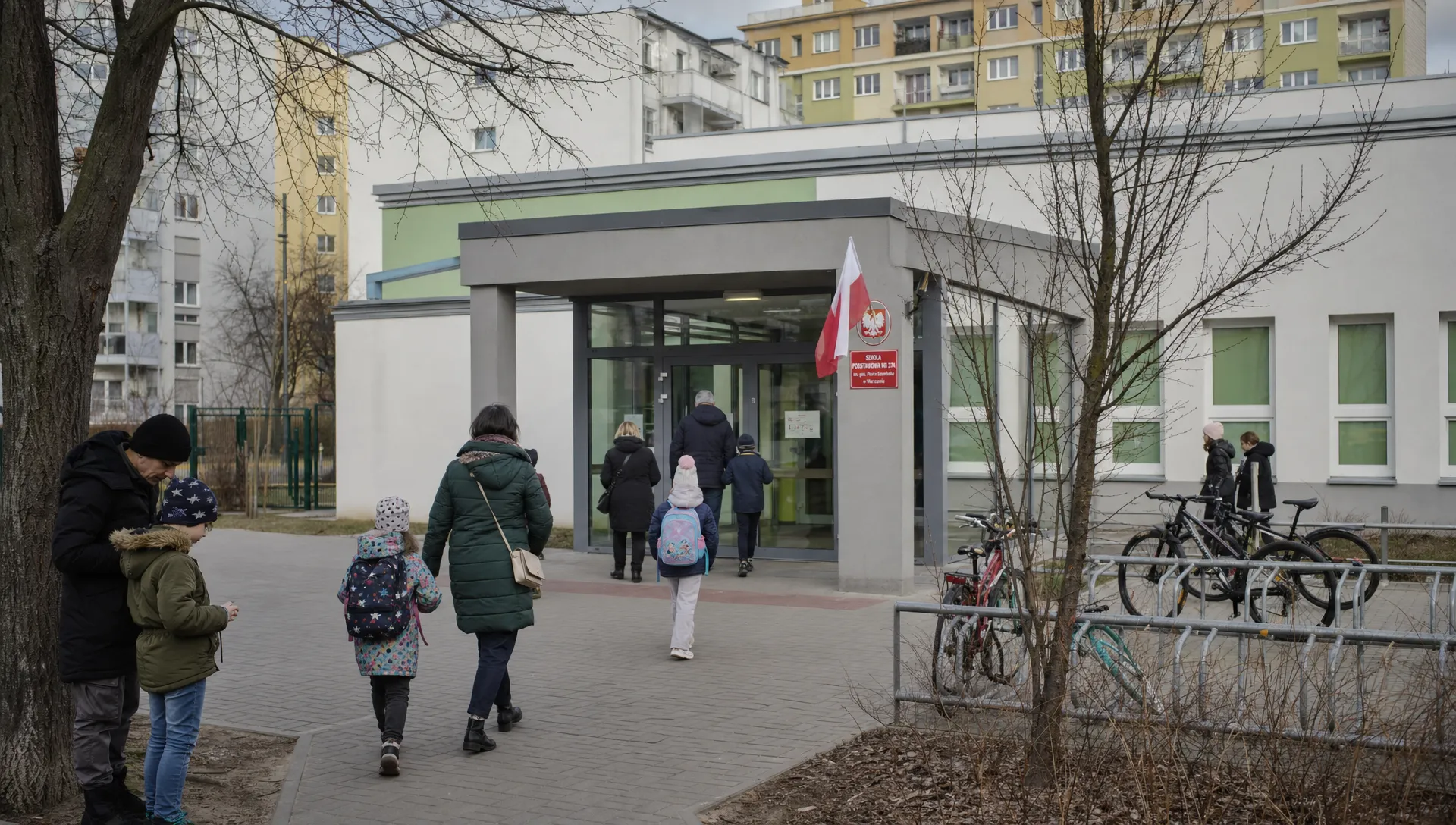
For British families, raising children in Poland rather than the UK is not a simple upgrade or downgrade. It changes school routines, childcare choices, medical access, family budgets, language and even long-term questions such as “nationality for Poland” if you end up putting down roots. The better question is not which country is best in the abstract, but which environment fits your child’s age, your income, your work situation and your tolerance for bureaucracy in another language.
Poland vs the UK for family life: the big picture
Poland can offer a calmer, more affordable family rhythm than many parts of the UK, especially if you live outside Warsaw or the most expensive central districts of Kraków, Wrocław or Gdańsk. Many British parents notice lower day-to-day costs, good public transport in major cities, more apartment living and a stronger culture of children spending time outdoors in courtyards, parks and playgrounds.
The UK has advantages that are easy to underestimate until you leave: English-language everything, familiar school norms, known childcare rules, extended family nearby for many households and fewer immigration questions for British citizens. If you are also researching nationality for Poland, remember that legal status is a separate issue from whether your child will feel settled socially.
The biggest variable is your child’s age. Toddlers often adapt fastest because language and friendship groups are still forming. Primary-age children can do well with the right school support. Teenagers may struggle more if they arrive close to exam years, because changing curriculum, language and peer groups all at once can be demanding.
Early years: childcare, routines and parental support
For children under school age, Poland’s childcare landscape is a mix of żłobek (nursery for younger children), przedszkole (preschool or kindergarten) and private childcare. Availability depends heavily on the city and district. In some places public nurseries are oversubscribed, so private options may be the practical route, at least at first.
Compared with the UK, childcare in Poland can feel more affordable, although “affordable” depends on local salaries and whether you are earning in pounds, złoty or remotely. British parents who move with UK-level income often find early-years costs easier to manage. Families earning local Polish wages may find the comparison less dramatic.
Poland also has family benefits, including the Family 800+ child benefit for eligible families. Foreign residents should check eligibility carefully rather than assuming automatic access. This matters if your financial plan depends on benefits, future residence rights or nationality for Poland as part of a long-term family strategy.
The cultural tone can also feel different. Polish preschools may place a strong emphasis on independence, outdoor play, group routines and teacher authority. For some British parents this feels refreshingly structured. For others, especially those used to highly individualized nursery communication in the UK, it may feel more formal.
Schools: starting age, structure and academic culture
One of the clearest differences is school starting age. In England, children usually start reception at age 4, although compulsory school age begins later, as explained by GOV.UK guidance on school starting age. In Poland, children generally start primary school at age 7, with a compulsory preschool year at age 6.
That later start can be attractive to parents who feel the UK system pushes formal schooling too early. Polish children still learn before age 7, but the early stage is more preschool-based. Once formal schooling begins, the academic culture can become quite structured, with homework, grading and teacher-led classrooms playing a visible role.
If your child does not speak Polish, school choice becomes one of the most important relocation decisions. Public Polish schools offer immersion and local integration, but the first year can be hard. Bilingual, private and international schools can ease the transition, although fees and availability vary. Move2Poland has a more detailed breakdown of school options for British and English-speaking children in Poland if you are comparing routes.
For parents thinking about nationality for Poland later on, education is not only about academics. A child who grows up literate, confident and socially comfortable in Polish will have a very different relationship with the country than a child who lives in an expat bubble and never feels fully at home.
Language and identity: the hidden adjustment
Language is usually the hardest part of the move for children, not housing or paperwork. Younger children may pick up Polish quickly through play, but that does not mean the first months are easy. They may come home tired, quieter than usual or frustrated by not being able to express themselves with classmates.
Parents can help by keeping English strong at home while supporting Polish outside the home. This balance matters. English is a long-term asset, especially if your child may later study or work in the UK, but Polish is the key to local friendships, school confidence and daily independence.
Identity can become more layered over time. A British child in Poland may feel British at home, international at school and increasingly Polish in daily habits. If the family later explores nationality for Poland, the emotional question may be just as important as the legal one: does your child feel that Poland is part of who they are?
Teenagers need extra care here. A 15-year-old who has friends, exams and identity tied to the UK may not experience Poland as an adventure. They may experience it as a loss. If you are moving with older children, involve them early and be honest about what will be difficult.
Healthcare, safety and daily independence
Poland has a public healthcare system funded through insurance contributions, known as NFZ, alongside a large private healthcare market. Many families use both: public care for major needs and private pediatric appointments when they want faster access. In the UK, the NHS remains a major advantage because care is familiar, free at the point of use and available without language barriers, although waiting times can be a concern.
For routine child health issues, Poland can be practical once you understand how to register with a primary care clinic and when to use private care. The first challenge is often administrative rather than medical: forms, referrals, prescriptions and reception-desk conversations may happen in Polish.
Safety is one reason many British families look seriously at Poland. Parents often report feeling comfortable using public transport with children, walking in city centers and letting older children travel short distances independently. This varies by neighborhood, of course, but major Polish cities can feel orderly and family-friendly.
| Family area | Poland | UK | What parents should think about | |-------------|--------|----|----------------------------------| | School start | Formal primary usually starts at 7 | Reception usually starts at 4 in England | Poland may feel less rushed in early childhood | | Healthcare | NFZ plus common private options | NHS plus private options | Poland can be efficient privately, but language matters | | Childcare | Public and private nurseries, preschool system | Nurseries, childminders and funded hours | Compare costs against your actual income source | | Language | Polish needed for full integration | English environment | Younger children usually adapt faster | | Legal future | Residence and citizenship are separate | British citizens have settled legal status in the UK | Do not confuse school integration with nationality for Poland |
Where nationality for Poland fits into family planning
When British parents search for nationality for Poland, they often mean Polish citizenship, passport rights or whether a child born or raised in Poland can become legally Polish. In Poland, citizenship is mainly based on descent, not simply being born on Polish soil. If neither parent is Polish, a child born in Poland does not usually become Polish automatically just because of birthplace.
Residence, work status and family links can still matter over the long term. Parents who live in Poland for years may later look at permanent residence, long-term EU residence or citizenship routes, depending on their situation. Children may be included in some family processes, but rules are specific and should be checked against current official requirements.
Dual status is another point to understand. Poland allows dual nationality, but Polish authorities generally treat a Polish citizen as Polish while that person is in Poland or dealing with the Polish state. If this could affect your family, read Move2Poland’s guide to holding dual nationality in Poland before making assumptions.
There is also a language issue. In British English, “nationality” and “citizenship” are often used casually as if they mean the same thing. In Polish and in official forms, the distinction can matter. For a British family, nationality for Poland planning should start with accurate terminology and proper legal guidance, not forum comments.
Money, housing and quality of life for parents
Family life in Poland can be cheaper than in much of the UK, but the gap depends on where your money comes from. Remote workers paid in pounds may find Poland very comfortable. Parents taking local jobs need to compare Polish salaries, tax, social contributions, rent and school fees before assuming they will be better off.
Housing also changes family routines. In the UK, many families expect a house with a garden, especially outside London. In Polish cities, apartment living is much more common. The trade-off may be better public transport, nearby playgrounds and walkable local services, but less private outdoor space.
International schools can change the financial picture completely. A move that looks affordable with Polish public schooling may look very different if you need two sets of international school fees. If your child is older, anxious or already in a British exam pathway, those fees may still be worth paying.
Long-term family planning should include tax residence, pensions, healthcare coverage, future university plans and nationality for Poland if you think your children may build adult lives there. The family move is not only about the first year. It is about what the move makes easier or harder five years later.
How to decide before moving with children
Before committing, build your decision around your children rather than around a romantic idea of a new country. Spend time in the city you are considering during an ordinary school week. Visit neighborhoods at commuting time. Look at supermarkets, clinics, playgrounds, tram routes, school gates and winter daylight, not only market squares and restaurants.
Talk to schools before you sign a lease. Ask how they support children who do not speak Polish, whether they have experience with foreign pupils, how they communicate with parents and what happens if your child needs additional help. If you need English-language education, check availability early because places can be limited.
A short planning checklist can help you stay practical:
- Your child’s age and emotional flexibility
- Polish language exposure before the move
- School type and realistic backup options
- Healthcare access and insurance status
- Rent, childcare and school costs based on one conservative budget
- Your legal route to live and work in Poland
- Whether nationality for Poland is a future goal or just a search term you are using while researching
For a deeper relocation angle, especially paperwork, housing and age-specific issues, see Move2Poland’s guide to moving to Poland with children.
Frequently Asked Questions
Is Poland better than the UK for raising children? It depends on your priorities. Poland may offer lower costs, a strong sense of safety and a later formal school start, while the UK offers language familiarity, established support networks and a school system your child may already understand.
Do British children born in Poland automatically get Polish nationality? Usually no. Polish citizenship is mainly based on having a Polish parent, not simply being born in Poland. If nationality for Poland matters to your family, check current citizenship rules for your exact situation.
Can a British child attend a Polish public school? Yes, foreign children living in Poland can generally attend Polish public schools, but language support and experience with international pupils vary by school and city.
Will my child need Polish to be happy in Poland? For full integration, yes. A child can manage in an English-speaking school or international circle for a while, but Polish makes friendships, independence and confidence much easier.
Should we choose a public, bilingual or international school? Public school suits families committed to local integration. Bilingual schools can offer a bridge. International schools may be best for older children, short stays or families who want continuity with English-language education.
A practical next step
If you are weighing Poland against the UK for your children, try not to decide from cost-of-living charts alone. The right answer depends on the child in front of you, the city you choose, the school route you can access and how prepared you are for the legal and cultural side of the move.
Move2Poland helps British families think through those choices before they commit, from discovery calls and decision support to city selection and on-the-ground orientation in Wrocław. If you want a clearer view of whether Poland fits your family, start with Move2Poland and make the decision with fewer assumptions.